

Gin stands as one of the most captivating spirits for luxury beverage connoisseurs. Despite the misconception that gin is simply a medicinal tincture, over 80 percent of premium gin brands rely on advanced distillation techniques and carefully sourced botanicals to create their signature profiles. For the American collector and global enthusiast alike, understanding true gin craftsmanship unlocks an appreciation for how Mediterranean ingredients transform each bottle into a distinctive sensory experience filled with regional heritage and artisanal skill.
Table of Contents
- Defining Gin Craftsmanship and Common Myths
- Traditional Versus Modern Crafting Techniques
- Signature Botanicals and Mediterranean Ingredients
- The Distillation Process in Artisanal Gin
- What Sets Artisanal Gin Apart From Mass Brands
Key Takeaways
| Point | Details |
|---|---|
| Understanding Gin Craftsmanship | Gin is not merely a medicinal drink; it is an art form created through careful botanical selection and distillation techniques. |
| Traditional vs. Modern Techniques | The evolution from traditional pot distillation to modern column methods enhances precision while retaining artisanal qualities. |
| Importance of Signature Botanicals | The selection of botanicals, particularly from Mediterranean regions, profoundly impacts gin’s flavor and character. |
| Artisanal vs. Mass Production | Artisanal gin prioritizes nuanced flavors and unique expressions over uniformity, reflecting local terroir and craftsmanship. |
Defining Gin Craftsmanship and Common Myths
Gin represents a sophisticated botanical spirit with profound historical roots, where juniper defines its essential character. Far beyond a simple alcoholic beverage, gin embodies a complex interplay of botanical ingredients, distillation techniques, and cultural heritage. Traditionally emerging from medicinal preparations in the Middle Ages, gin has transformed into a globally celebrated spirit with intricate production standards.
The fundamental myth surrounding gin is that it remains merely a medicinal tincture. In reality, gin represents a nuanced art form where distillers carefully balance botanical selections to create distinctive flavor profiles. Master distillers meticulously select herbs, spices, and fruits that complement the mandatory juniper base, crafting spirits that reflect regional traditions and personal creativity. Each gin production represents a unique sensory journey, with botanical selections ranging from classic Mediterranean citrus notes to exotic spice combinations.
Legal frameworks now protect gin’s production standards, ensuring quality and authenticity across international markets. Professional gin craftsmanship requires understanding complex distillation processes, comprehending botanical interactions, and maintaining rigorous quality control. Distillers must navigate intricate regulatory requirements while preserving traditional techniques that have defined gin production for generations.
Pro tip: When exploring gin varieties, focus on understanding the specific botanical composition and distillation method, as these elements reveal the true craftsmanship behind each unique spirit.
Traditional Versus Modern Crafting Techniques
Gin production represents a fascinating intersection of historical artisanship and contemporary technological innovation. Traditional pot distillation methods emerged from centuries of botanical experimentation, where master distillers relied on intuitive techniques passed through generations. These traditional approaches emphasized manual crafting, where each batch represented a unique sensory expression deeply rooted in regional ingredient profiles and cultural heritage.
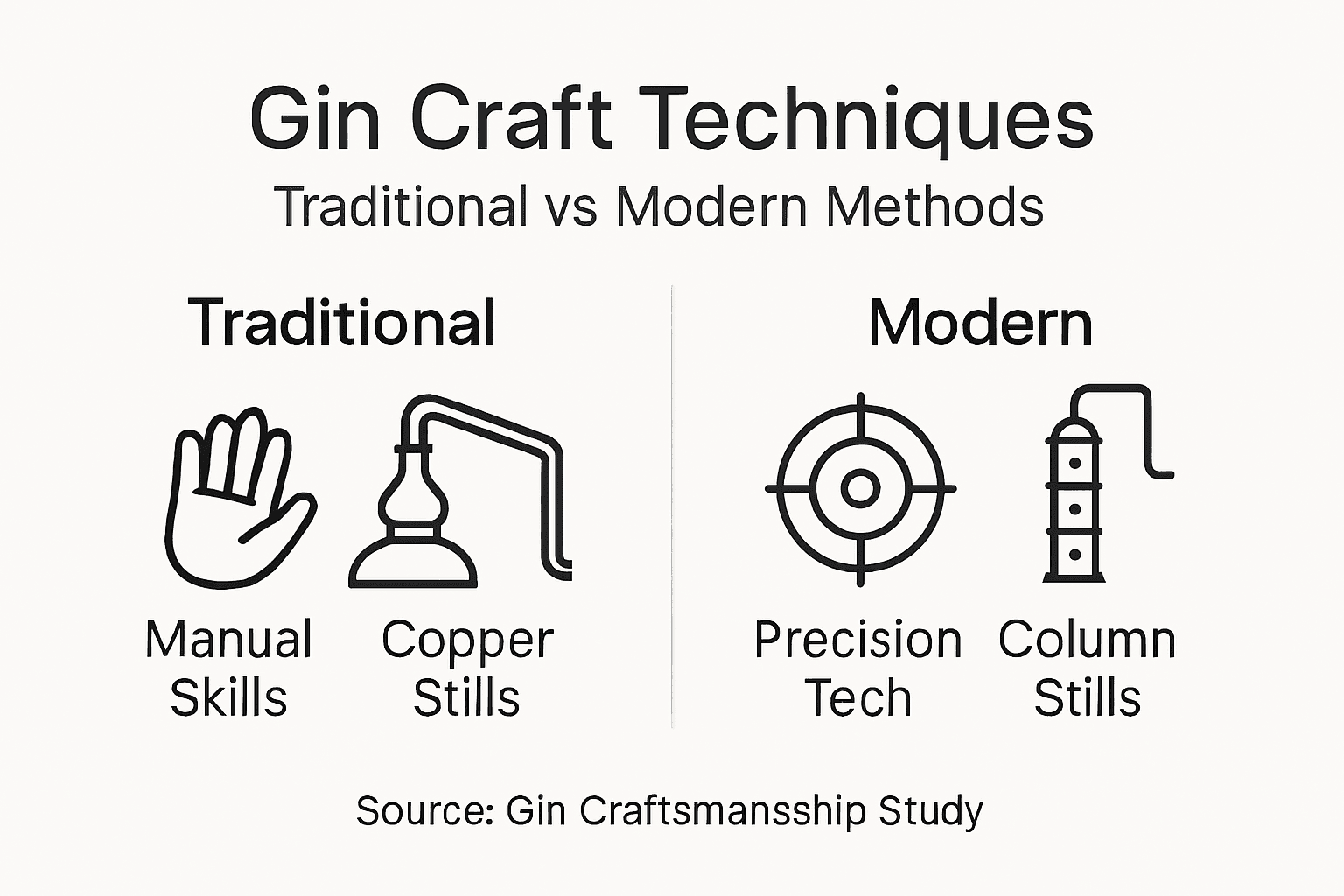
Modern gin crafting introduces sophisticated technological interventions that dramatically enhance production precision and consistency. Column still distillation techniques allow distillers to achieve unprecedented levels of botanical extraction and flavor refinement. Advanced filtration systems enable more intricate flavor manipulation, allowing craftspeople to create spirits with exceptionally nuanced botanical expressions. This technological evolution does not replace artisanal skill but rather amplifies the distiller’s ability to experiment and innovate.
The fundamental difference between traditional and modern techniques lies in the balance between human creativity and technological capability. While traditional methods relied entirely on personal expertise and manual intervention, contemporary gin production integrates automation with artisanal knowledge. Distillers now use precision instruments to measure botanical ratios, temperature controls, and extraction processes, ensuring each gin batch maintains exceptional quality while preserving the unique character that defines premium spirits.
Pro tip: When comparing traditional and modern gin crafting techniques, focus on understanding how technological advancements enhance rather than replace the essential artisanal skills that define exceptional gin production.
To clarify how traditional and modern gin crafting differ, consider the following comparison:
| Aspect | Traditional Techniques | Modern Techniques |
|---|---|---|
| Equipment | Copper pot stills | Column stills, automation |
| Batch Size | Small, unique batches | Large, highly consistent |
| Botanical Selection | Manual, based on intuition | Precise, often computer-measured |
| Flavor Profile | Varies by batch; artisan-driven | Highly controlled and repeatable |
Signature Botanicals and Mediterranean Ingredients
Gin craftsmanship finds its most profound expression through the intricate selection of signature botanicals reflecting Mediterranean biodiversity. Juniper remains the foundational ingredient, but the true artistry emerges in the nuanced layering of complementary herbs, citrus, and aromatic elements that transform a simple spirit into a complex sensory experience. Mediterranean regions offer an extraordinary botanical palette, with each geographical microclimate contributing unique flavor characteristics that distinguish premium gin production.
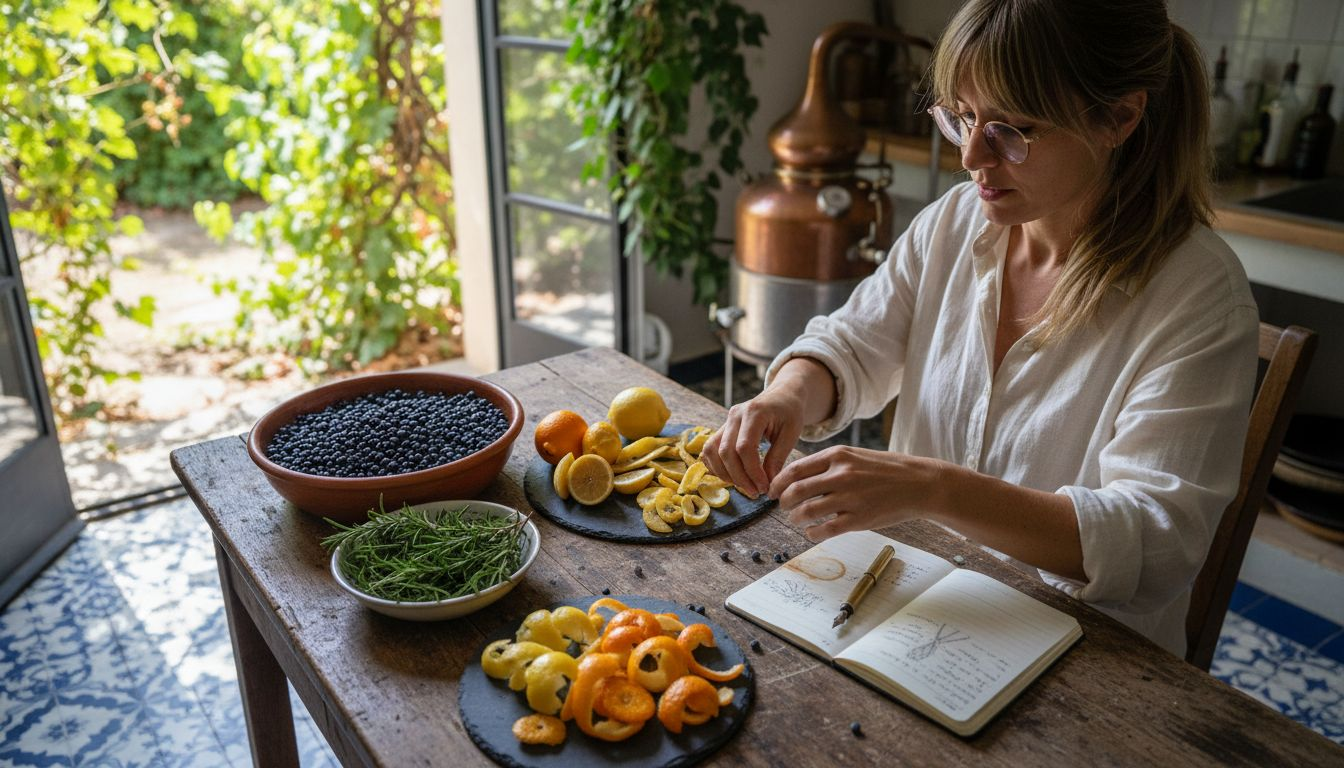
Traditional Mediterranean botanicals like rosemary, thyme, lavender, and citrus peels play a critical role in defining gin’s sophisticated flavor profile. These ingredients are not merely additives but represent a profound connection to local terroir and agricultural heritage. Distillers carefully balance these botanical elements, creating spirits that capture the essence of Mediterranean landscapes. Coriander seeds, angelica root, and regional herbs provide depth and complexity, allowing each gin to tell a unique geographical story through its carefully curated ingredient selection.
The art of botanical selection goes beyond simple flavor combinations. Master distillers consider not just taste, but also the molecular interactions between different ingredients, understanding how specific herbs and spices can enhance or modify the fundamental juniper base. This scientific approach to flavor development represents the pinnacle of gin craftsmanship, where tradition meets innovative technique. Modern distillation methods allow for unprecedented precision in extracting and preserving the delicate aromatic compounds that make Mediterranean-inspired gins truly exceptional.
Pro tip: When exploring Mediterranean-style gins, pay attention to the specific botanical composition and try to identify the individual herbs and citrus notes that create the spirit’s unique flavor profile.
Here’s a quick overview of key Mediterranean botanicals and their flavor impact in gin:
| Botanical | Flavor Contribution | Regional Connection |
|---|---|---|
| Rosemary | Herbal, pine-like notes | Coastal Mediterranean |
| Thyme | Earthy, savory aroma | Southern Europe |
| Lavender | Floral, sweet fragrance | Provence, France |
| Citrus Peels | Bright, zesty freshness | Spain, Italy, Greece |
The Distillation Process in Artisanal Gin
Artisanal gin production represents an intricate dance of scientific precision and culinary creativity, where meticulous distillation techniques transform simple ingredients into complex spirits. The process begins with carefully selected neutral spirits serving as a foundational canvas for botanical expression. Master distillers carefully macerate selected botanicals, allowing them to release their essential oils and aromatic compounds before the transformative distillation process begins.
Copper pot stills and column stills emerge as the primary instruments in this alchemical process, each offering unique characteristics to the final spirit. Copper’s natural properties help eliminate unwanted sulfur compounds while promoting chemical reactions that enhance flavor complexity. Temperature control becomes critical during distillation, with master craftspeople making precise cuts to capture only the most refined middle section of the distillation run. This technique, known as selecting the heart of the distillation, ensures that only the most exceptional flavor profiles are preserved.
The final stages of artisanal gin production involve extraordinary attention to detail. After initial distillation, some gin makers employ additional techniques like vapor infusion or sequential botanical additions to create layered, nuanced flavor profiles. Each decision represents a deliberate artistic choice, transforming the distillation process from a mere manufacturing technique into a form of liquid storytelling. The result is a spirit that communicates not just flavor, but the unique cultural and geographical context of its creation.
Pro tip: When evaluating artisanal gins, pay close attention to the distiller’s specific botanical selection and distillation methodology, as these elements reveal the true depth of craftsmanship.
What Sets Artisanal Gin Apart From Mass Brands
Artisanal gin production emerges as a sophisticated craft that fundamentally differs from mass-market manufacturing, with distinctive small-batch production methods creating profound sensory experiences. Unlike industrial brands focused on volume and uniformity, artisanal distillers prioritize flavor complexity, ingredient provenance, and individual expression. Each small batch becomes a liquid narrative, revealing the distiller’s unique approach to botanical selection and spirit creation.
The philosophical divide between artisanal and mass-produced gins extends beyond mere production techniques. Mass brands standardize flavor profiles to ensure consistent taste across millions of bottles, sacrificing nuance for reproducibility. Artisanal producers, conversely, embrace variability as a hallmark of authenticity. They source local, seasonal ingredients, experiment with unconventional botanical combinations, and maintain direct connections with their ingredient suppliers. This approach transforms gin from a commodity into a craft product that reflects regional terroir and individual creativity.
Technical distinctions further illuminate the artisanal difference. While mass brands utilize continuous column stills for efficient, large-scale production, artisanal distillers often employ traditional copper pot stills that allow more precise control over flavor extraction. These smaller stills permit intricate manipulation of temperature, pressure, and botanical interactions, enabling master distillers to capture incredibly subtle aromatic compounds. The result is a spirit that tells a story beyond mere alcohol content a liquid representation of cultural heritage and personal passion.
Pro tip: When selecting an artisanal gin, examine the bottle’s production details and look for information about botanical sourcing, distillation method, and the specific region or philosophy behind its creation.
Discover Authentic Mediterranean Gin Craftsmanship with Gin Niro
The journey through artisanal gin production reveals the true challenge of balancing traditional distillation techniques with unique botanical selections that define exceptional spirits. If you appreciate gin crafted with care, where every ingredient—from Sicilian citrus to aromatic zibibbo grapes—tells a story, then exploring a premium Mediterranean-style gin like Gin Niro is your next step. Experience the art of meticulous small-batch crafting that honors heritage while embracing innovative flavor profiles.
Elevate your gin collection with Gin Niro by visiting the Homepage 01 Gin Niro where you can find detailed product information and immerse yourself in the rich story behind this artisanal spirit. Dont miss the chance to taste a gin that perfectly illustrates expert craftsmanship and regional authenticity. Act now at https://ginniro.it to secure your bottle and savor a sensory experience like no other.
Frequently Asked Questions
What defines gin craftsmanship?
Gin craftsmanship is defined by the intricate selection of botanicals, precise distillation techniques, and a deep connection to cultural heritage. Master distillers carefully balance flavors to create distinctive profiles, transforming gin from a simple spirit into a nuanced art form.
How do traditional and modern gin crafting techniques differ?
Traditional gin crafting techniques rely on manual methods and small batch production, emphasizing artisanal skills. Modern techniques, however, integrate automated processes and advanced technology for greater precision and consistency, while still allowing for creativity in flavor development.
What are the key signature botanicals often used in gin?
Key signature botanicals include juniper, rosemary, thyme, lavender, and various citrus peels. These botanicals contribute unique flavors and aromas, often reflecting the regional characteristics of the ingredients and highlighting the craftsmanship involved in gin production.
How does the distillation process impact the quality of artisanal gin?
The distillation process critically impacts the quality of artisanal gin by ensuring that only the best flavor compounds are captured. Master distillers make careful choices during distillation, such as selecting the heart of the run and employing techniques like vapor infusion, which together enhance the spirit’s complexity and character.


