

Every gin lover knows a truly remarkable spirit reveals its character slowly through each sensory layer. Exploring premium Mediterranean gins means discovering a world where artisanal production and Sicilian culture shape every bottle’s identity. With structured tasting methods focusing on clarity, botanical complexity, and regional origin, you unlock the intricate stories and flavors that define exceptional Mediterranean gin. Bold flavors and innovative botanicals make this journey unforgettable for those who cherish the art and heritage behind every pour.
Table of Contents
- Defining Gin Tasting and Key Principles
- Methods and Styles of Gin Tasting Events
- Mediterranean Gin Varieties and Flavor Profiles
- Essential Steps in Conducting a Gin Tasting
- Common Pitfalls and How to Avoid Them
Key Takeaways
| Point | Details |
|---|---|
| Structured Evaluation is Essential | A proper gin tasting involves visual inspection, aroma analysis, and palate evaluation to understand the spirit’s complexities. |
| Diverse Event Formats Enhance Learning | Different styles of gin tasting events offer unique insights into botanical selection and production methods. |
| Mediterranean Gins Offer Unique Profiles | Unlike traditional gins, Mediterranean varieties incorporate local herbs and citrus, creating distinct flavor experiences. |
| Avoid Common Pitfalls | Sensory bias, improper glassware, and crowded environments can distort tasting perceptions; careful management is crucial for accurate assessment. |
Defining Gin Tasting and Key Principles
Gin tasting represents a sophisticated sensory exploration that goes beyond simply drinking a spirit. At its core, this practice involves systematically evaluating gin’s complex flavor profile, botanical composition, and cultural heritage. Understanding gin tasting requires appreciating the nuanced art of discerning subtle characteristics that distinguish exceptional spirits.
Traditionally, gin tasting follows a structured approach developed by spirits professionals. This method involves examining the spirit through multiple sensory dimensions:
- Visual Assessment: Evaluating gin’s clarity, color, and viscosity
- Aromatic Exploration: Detecting juniper notes and complementary botanical scents
- Palate Analysis: Understanding flavor intensity, balance, and complexity
- Structural Evaluation: Examining mouthfeel and finish characteristics
The systematic tasting framework requires trained sensory skills that develop through consistent practice. Professional gin tasters assess not just flavor, but the narrative behind each spirit - considering its geographic origin, distillation method, and cultural context.
Modern gin tasting embraces both scientific precision and artistic appreciation. While traditional methods prioritize juniper as the primary flavor, contemporary approaches recognize the diverse botanical expressions that make each gin unique. Gin’s historical evolution reveals how this spirit transformed from medicinal tincture to a sophisticated beverage appreciated worldwide.
Pro tip: Start your gin tasting journey by sampling gins from different regions to understand the remarkable diversity of botanical expressions and production techniques.
Methods and Styles of Gin Tasting Events
Gin tasting events have evolved into sophisticated experiences that blend education, entertainment, and cultural exploration. These gatherings offer enthusiasts a structured approach to understanding the nuanced world of gin, ranging from intimate masterclasses to large-scale public tastings. Each event is designed to provide participants with a comprehensive sensory journey through the diverse landscape of gin production and flavor profiles.
The primary styles of gin tasting events include:
- Guided Sensory Walks: Systematic exploration of gin styles and botanical compositions
- Cocktail Pairing Experiences: Demonstrating gin’s versatility in mixology
- Historical Narrative Tastings: Exploring gin’s cultural and geographic origins
- Comparative Tasting Sessions: Side-by-side comparisons of regional gin styles
- Craft Distillery Workshops: Behind-the-scenes insights into gin production
Gin tasting event formats have become increasingly sophisticated, catering to audiences from curious novices to professional mixologists. These events typically feature expert-led presentations that dive deep into the intricate world of gin, exploring not just flavor profiles but the cultural stories behind each spirit.
Modern gin tasting events often incorporate interactive elements that engage participants beyond traditional sampling. Experts might guide attendees through sensory exploration techniques, discuss botanical sourcing, or demonstrate advanced mixology skills. These experiences transform gin tasting from a simple drinking activity into an immersive educational journey that connects participants with the rich heritage and craftsmanship of gin production.
To help you compare gin tasting event formats, see the table below:
| Event Style | Experience Level | Main Learning Focus |
|---|---|---|
| Guided Sensory Walk | Beginner to advanced | Botanical exploration |
| Cocktail Pairing Experience | All levels | Gin in mixology |
| Historical Narrative | Enthusiast to expert | Cultural and geographic context |
| Comparative Tasting | Advanced | Distinguishing regional profiles |
| Craft Distillery Workshop | Enthusiast to expert | Production process insights |
Pro tip: Attend multiple gin tasting events to develop a nuanced palate and understand the remarkable diversity of gin styles across different regions and production methods.
Mediterranean Gin Varieties and Flavor Profiles
Mediterranean gin represents a unique and vibrant expression of regional distillation traditions, characterized by its distinctive approach to botanical selection and flavor composition. Unlike traditional London dry gins, these Mediterranean varieties celebrate the region’s rich agricultural heritage by incorporating local herbs, citrus, and aromatic ingredients that reflect the landscape’s extraordinary biodiversity.
The hallmark characteristics of Mediterranean gin include:
- Herbal Complexity: Featuring indigenous botanicals like rosemary, thyme, and lavender
- Citrus Brightness: Highlighting local citrus peels and zests
- Subtle Juniper Profile: Less juniper-forward compared to classic gin styles
- Terroir-Driven Flavors: Reflecting specific regional microclimates
- Innovative Botanical Blends: Experimenting with unconventional local ingredients
Mediterranean gin flavor profiles demonstrate a remarkable departure from traditional gin paradigms. These spirits capture the essence of their environment through carefully curated botanical selections that tell a story of place, culture, and agricultural tradition. The result is a sensory journey that transports drinkers directly to the sun-drenched landscapes of the Mediterranean.
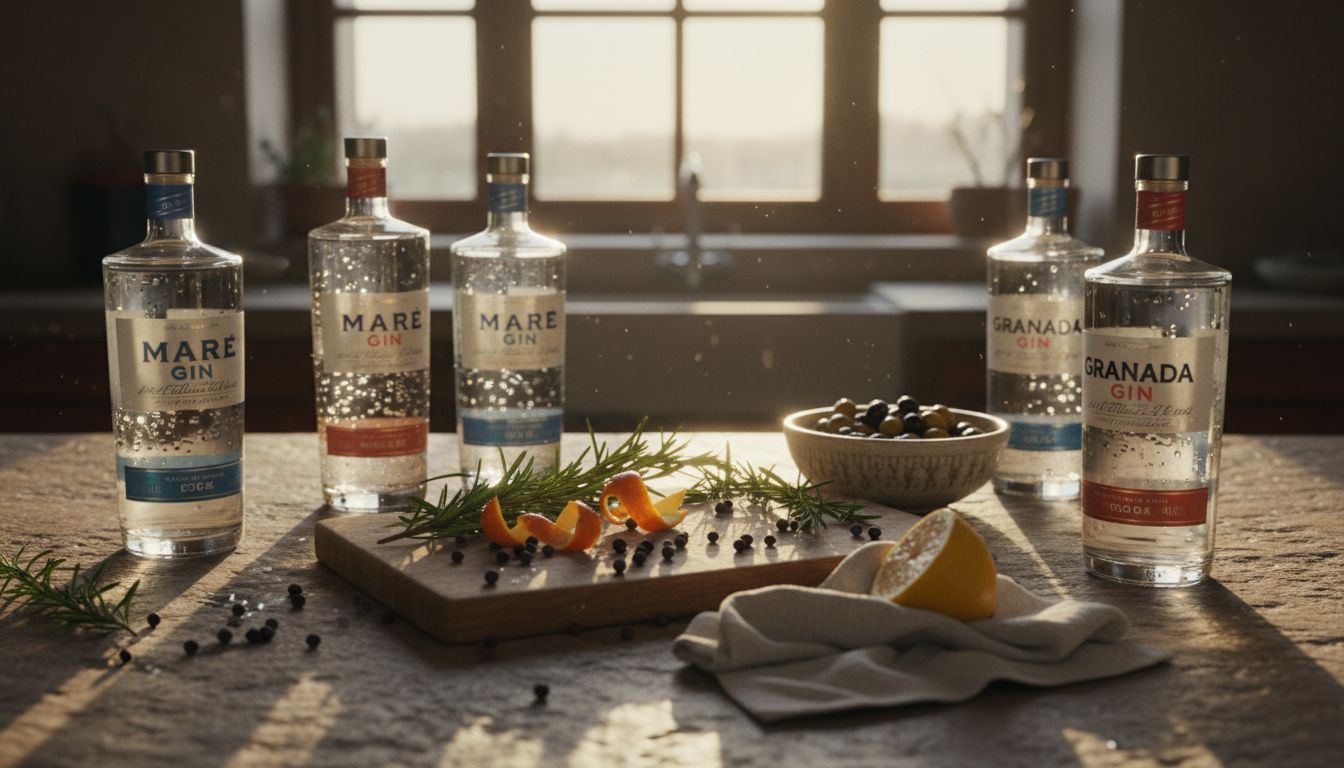
The unique characteristics of Mediterranean gins stem from a deep cultural connection to local ingredients and centuries-old distillation practices. Global gin varieties showcase regional diversity, but Mediterranean styles stand out for their bold interpretation of botanical complexity. These gins often incorporate unexpected ingredients like zibibbo grapes, local wild herbs, and citrus varieties that reflect the nuanced terroir of their specific geographic origins.
Here is a summary of how Mediterranean gin differs from traditional gin:
| Feature | Mediterranean Gin | Traditional London Dry Gin |
|---|---|---|
| Botanical Emphasis | Regional herbs and citrus | Strong juniper focus |
| Flavor Profile | Herbal, citrus, lighter juniper | Bold, dry, pronounced juniper |
| Unique Ingredients | Local grapes, wild botanicals | Classic botanicals, few extras |
| Terroir Influence | Reflects local microclimates | Less regionally specific |
Pro tip: When exploring Mediterranean gins, focus on understanding the specific botanical story behind each bottle, paying close attention to the local ingredients that define its unique character.
Essential Steps in Conducting a Gin Tasting
Conducting a gin tasting is an art form that requires a systematic and thoughtful approach to fully appreciate the complexity of different spirits. Unlike casual drinking, a proper gin tasting involves careful observation, methodical evaluation, and an understanding of the nuanced characteristics that define exceptional gins. This process transforms simple spirit consumption into an educational and sensory exploration.
The fundamental steps for a comprehensive gin tasting include:
- Visual Inspection: Assessing gin’s clarity, color, and viscosity
- Aroma Analysis: Identifying botanical notes and scent intensity
- Palate Evaluation: Examining flavor complexity and balance
- Structural Assessment: Analyzing alcohol integration and finish
- Contextual Understanding: Exploring gin’s production origin and style
Systematic tasting methodology provides a structured framework for gin appreciation. Professional tasters use a detailed approach that goes beyond simple tasting, transforming the experience into a comprehensive sensory investigation. This method allows enthusiasts to decode the intricate flavor narratives embedded in each gin.
Professional gin tasters follow a meticulous sequence of evaluations. Tasting techniques begin with careful observation of the spirit’s visual characteristics, followed by a detailed aromatic assessment. Tasters then progress to evaluating sweetness, acidity, alcohol integration, and the complex interplay of botanical flavors. This approach ensures a holistic understanding of each gin’s unique profile.
Pro tip: Practice your gin tasting skills by maintaining a tasting journal, documenting the specific botanical notes, origin, and your personal impressions for each gin you sample.
Common Pitfalls and How to Avoid Them
Gin tasting requires a nuanced approach that goes beyond simply sipping and judging. Many enthusiasts unknowingly compromise their tasting experience by falling into common sensory traps that can significantly distort their perception of a spirit’s true character. Understanding and avoiding these pitfalls is crucial for developing a sophisticated and accurate palate.
The most frequent mistakes in gin tasting include:
- Sensory Bias: Allowing preconceived notions about brands or styles to influence judgment
- Temperature Mismanagement: Serving gin at incorrect temperatures that mask subtle flavors
- Glassware Selection: Using inappropriate glasses that diminish aromatic complexity
- Palate Fatigue: Tasting too many gins without proper cleansing between samples
- Overcrowded Tasting Environment: Exposing the palate to competing sensory inputs
Sensory evaluation techniques reveal that cognitive biases can dramatically impact spirit perception. Professional tasters understand that the environment, personal expectations, and physiological conditions play critical roles in accurately assessing gin’s intricate flavor profiles. Neutralizing these potential distortions requires disciplined, systematic approaches.
Successful gin tasting demands a controlled and methodical approach. This means creating a neutral tasting environment, using proper glassware, maintaining consistent serving temperatures, and employing palate cleansers like plain crackers or water. Experienced tasters learn to approach each gin with an open mind, suspending judgment until a comprehensive sensory evaluation is complete.
Pro tip: Reset your palate between gin tastings by alternating sips of room temperature water and consuming neutral crackers to ensure each gin receives an unbiased sensory assessment.
Discover the Art of Gin Tasting with Gin Niro
Exploring the rich world of gin tasting means understanding the delicate balance of botanicals, flavor profiles, and cultural stories behind each bottle. If you want to deepen your sensory journey and experience a truly unique Mediterranean expression, Gin Niro offers an exceptional starting point. Crafted with aromatic zibibbo grapes and Sicilian citrus, this artisanal gin embodies the herbal complexity and terroir-driven flavors highlighted in expert tastings.
Elevate your gin tasting experience today by visiting the Homepage – Gin Niro to explore our carefully curated collection. Learn more about the craftsmanship and tradition behind Gin Niro and enjoy a premium spirit that complements every tasting event. Don’t miss the chance to bring the authentic Mediterranean botanical story home by shopping now at https://ginniro.it. For a broad selection of premium spirits, the Homepage – Gin Niro awaits your discovery.
Frequently Asked Questions
What is the process of gin tasting?
Gin tasting involves a systematic approach that includes visual inspection, aroma analysis, palate evaluation, structural assessment, and contextual understanding of the gin’s production origin and style.
Why is understanding botanical selection important in gin tasting?
Botanical selection is crucial because it defines the gin’s flavor profile and complexity. Different botanicals, from herbs to fruits, contribute to the unique characteristics of each gin, influencing the overall tasting experience.
How can I improve my gin tasting skills?
You can improve your gin tasting skills by practicing systematic tasting techniques, maintaining a tasting journal to document flavors, and attending various gin tasting events to experience diverse styles and production methods.
What should I avoid during a gin tasting?
To avoid compromising your tasting experience, minimize sensory bias by approaching each gin with an open mind, serve the gin at the correct temperature, use appropriate glassware, and ensure palate cleansers are available to reset your senses between samples.


