

Most advice about gin culture overlooks its rich evolution from European medicinal tonic to iconic social ritual. For American and global connoisseurs intrigued by premium Mediterranean spirits and Sicilian heritage, gin offers a vibrant world of botanical diversity and artisanal craft. With more than 7,000 distinct gin brands produced worldwide, modern enthusiasts can discover unique regional expressions that elevate tasting experiences far beyond traditional expectations.
Table of Contents
- Defining Gin Culture And Common Myths
- Historical Roots And Global Influences
- Modern Styles: Craft And Mediterranean Gin
- Gin In Social Rituals And Cocktail Trends
- Artisanal Production And Regional Identity
Key Takeaways
| Point | Details |
|---|---|
| Cultural Phenomenon | Gin has evolved from a medicinal spirit to a sophisticated global beverage, influencing cultural practices and social interactions. |
| Artisanal Production | Craft distilleries prioritize quality and local botanicals, reflecting regional identity and promoting unique flavor profiles. |
| Botanical Diversity | Contemporary gin culture emphasizes botanical innovation, allowing consumers to explore diverse flavors from various regions. |
| Social Catalyst | Gin plays a significant role in social rituals, enhancing connections and shared experiences through cocktails and tastings. |
Defining Gin Culture and Common Myths
Gin represents far more than just a spirit - it is a complex cultural phenomenon with deep historical roots that extend well beyond simple alcoholic consumption. Originally developed as a medicinal liquor by European monks and alchemists, gin has transformed dramatically through centuries of social and culinary evolution. Tracing its origins reveals a fascinating narrative of transformation from herbal medicine to sophisticated global beverage.
The cultural mythology surrounding gin is particularly intriguing. During the 18th century, gin became notorious in England as a social disruptor, symbolized by William Hogarth’s provocative artwork depicting societal challenges associated with unregulated gin consumption. This period, known as the ‘Gin Craze,’ represented a critical moment where gin transitioned from a medicinal tonic to a widespread recreational drink, particularly among working-class populations.
Modern gin culture encompasses much more than historical stereotypes. Today, gin represents artisanal craftsmanship, botanical innovation, and sophisticated mixology. Contemporary enthusiasts appreciate gin not just as a drink, but as an expression of cultural creativity, with small-batch distilleries experimenting with unique botanical combinations that reflect regional identities and innovative production techniques.
Pro tip: When exploring gin culture, sample spirits from different regions to understand the nuanced flavor profiles and production traditions that make each gin unique.
Historical Roots and Global Influences
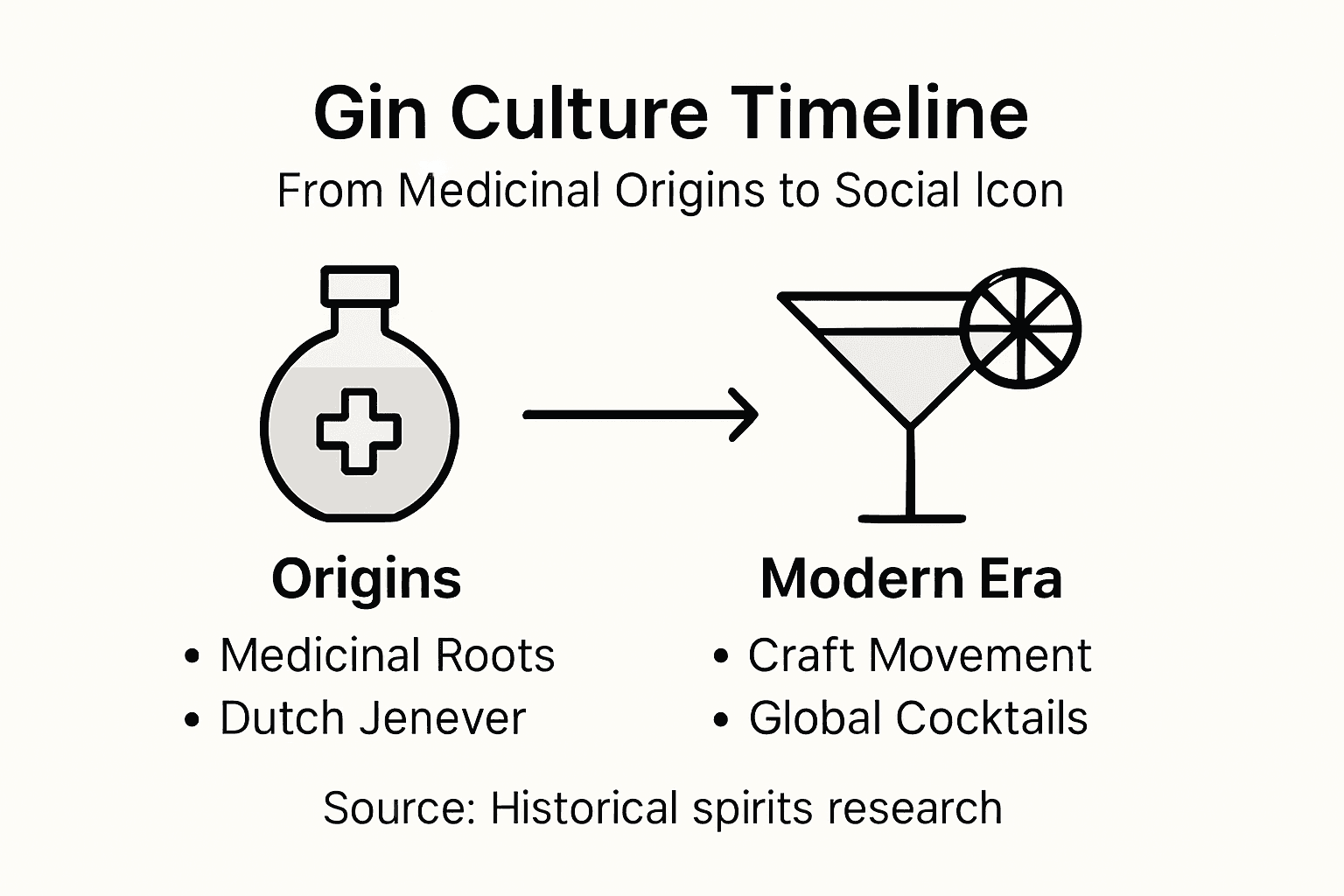
The origins of gin trace back to a fascinating period of medical innovation and cultural exchange in medieval Europe. Distillation practices in Italy, Flanders, and the Netherlands were deeply influenced by Arabic and Greek medical traditions, which emphasized botanical preparations for preventive healthcare. Monks and alchemists pioneered the technique of infusing wine and grain spirits with juniper berries and other medicinal herbs, creating early prototypes of what would eventually become modern gin.
The Dutch East India Company played a pivotal role in gin’s global transformation. Jenever, the predecessor to gin, originated in the Netherlands and Belgium during the 13th century, initially serving as a medicinal tonic. The political upheaval of the Glorious Revolution in 1688 significantly accelerated gin’s spread across England, where it rapidly transitioned from a medicinal remedy to a popular recreational beverage. This period marked the beginning of gin’s complex cultural journey from a localized herbal treatment to a globally recognized spirit.
Gin’s evolution reflects broader historical narratives of trade, colonization, and cultural exchange. As European powers expanded their global reach, gin became more than just a drink - it emerged as a symbol of international commerce and cultural adaptation. Small distilleries began experimenting with local botanicals, creating unique regional expressions that captured the essence of different landscapes and traditions. This process of continuous reinvention has transformed gin from a simple medicinal spirit to a sophisticated global phenomenon that celebrates botanical diversity and artisanal craftsmanship.
Pro tip: Explore gin’s regional variations by comparing spirits from different countries, noting how local ingredients and distillation techniques create unique flavor profiles.
The table below summarizes gin’s transformation over time:
| Era | Main Use | Cultural Significance | Key Evolution |
|---|---|---|---|
| Medieval | Medicinal tonic | Health remedy for diseases | Birth of juniper infusions |
| 18th Century | Recreational drink | Social disruptor, ‘Gin Craze’ | Mass urban consumption |
| Modern | Sophisticated spirit | Symbol of craft, identity | Botanical diversity, mixology focus |
Modern Styles: Craft and Mediterranean Gin
The contemporary gin landscape has been dramatically transformed by the emergence of craft distilleries, which have reimagined traditional spirits through innovative approaches to production and flavor development. Artisan gin production represents a profound shift from industrial manufacturing, emphasizing quality, cultural heritage, and botanical complexity. These small-scale producers prioritize unique flavor profiles, often drawing inspiration from local landscapes and traditional botanical collections.
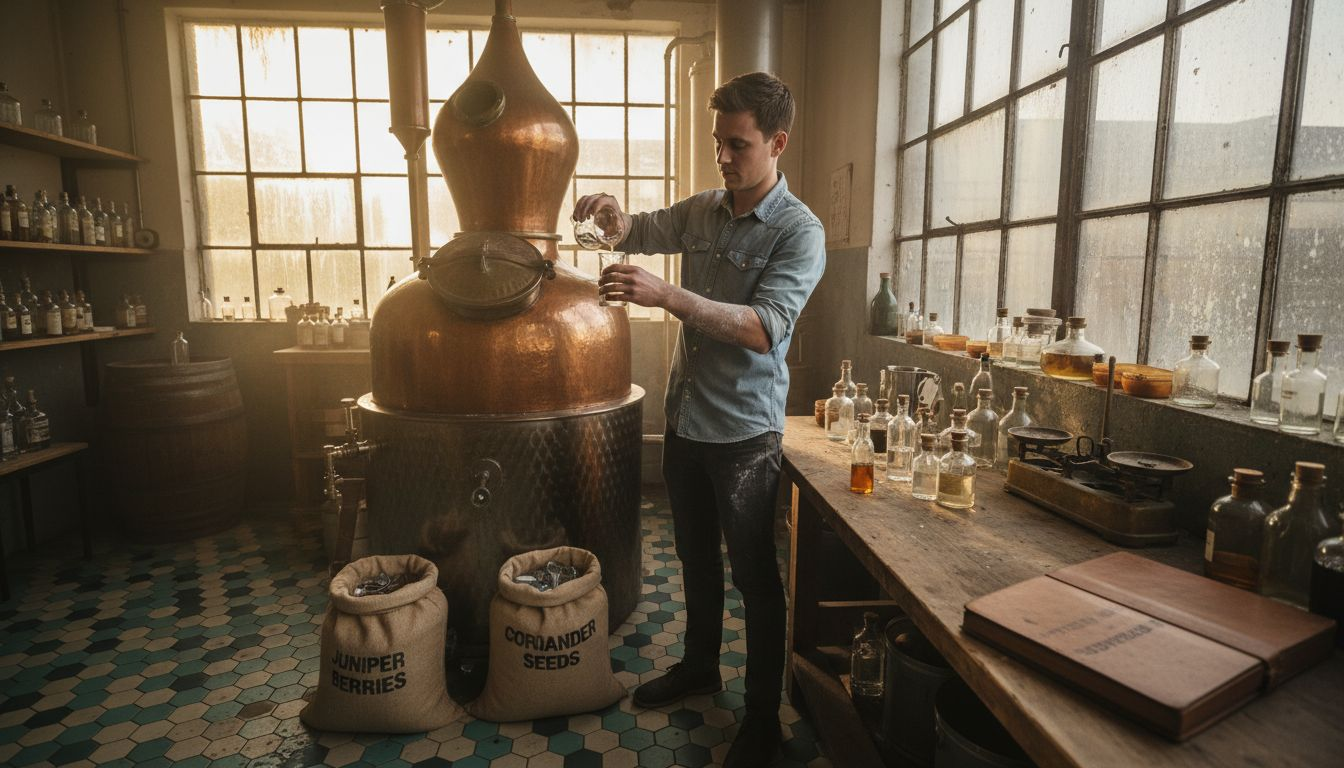
Mediterranean gin styles have particularly distinguished themselves by leveraging the region’s extraordinary botanical diversity. Distillers in countries like Italy, Greece, and Spain incorporate local herbs, citrus peels, and indigenous botanicals that reflect their specific terroir. This approach transforms gin from a mere alcoholic beverage into a liquid representation of regional identity, with each bottle telling a story of its geographical origin through carefully selected ingredients and meticulous production techniques.
The craft gin movement has also democratized spirit production, allowing smaller producers to challenge established global brands by emphasizing authenticity, transparency, and innovative flavor combinations. These distilleries often experiment with unconventional botanicals, creating gins that challenge traditional flavor expectations and appeal to adventurous consumers seeking unique tasting experiences. The result is a vibrant, dynamic gin culture that celebrates creativity, local traditions, and artisanal expertise.
Pro tip: When exploring craft gin, pay attention to the specific botanicals used and their geographical origin to appreciate the unique story behind each bottle.
Here’s a comparison of key gin styles and their unique characteristics:
| Gin Style | Typical Botanicals | Production Region | Distinctive Qualities |
|---|---|---|---|
| London Dry | Juniper, citrus, angelica | United Kingdom | Crisp, dry, juniper-forward |
| Mediterranean | Local herbs, citrus peels, olive | Italy, Spain, Greece | Bright, herbal, regional flavors |
| Craft/Artisanal | Unique local botanicals | Worldwide | Small batch, innovative, often experimental |
| Old Tom | Juniper, sugar, spices | England | Sweeter, richer mouthfeel |
Gin in Social Rituals and Cocktail Trends
Gin has transcended its origins as a medicinal spirit to become a powerful social catalyst, deeply embedded in cultural practices and social interactions. Social practices surrounding spirits reveal how alcoholic beverages like gin play a crucial role in community bonding, serving as more than just a drink but as a medium for shared experiences and social connection. From sophisticated cocktail parties to casual gatherings, gin has become a centerpiece of social rituals that facilitate conversation, celebration, and cultural exchange.
The evolution of gin cocktails reflects broader cultural trends and changing social dynamics. Cocktail trends have transformed gin consumption, with classic recipes like the Martini, Gin and Tonic, and Negroni becoming global icons of sophistication and taste. Modern mixologists continue to push boundaries, creating innovative cocktails that showcase gin’s remarkable botanical versatility. This constant reinvention keeps gin relevant, appealing to new generations of drinkers who seek unique flavor experiences and storytelling through their beverages.
Beyond mere consumption, gin has become a cultural statement that reflects individual taste, social sophistication, and global awareness. Contemporary gin culture celebrates diversity, artisanal craftsmanship, and regional identity. Enthusiasts now collect rare bottles, attend gin tastings, and engage in detailed discussions about distillation techniques, botanical compositions, and regional flavor profiles. This elevated appreciation transforms gin from a simple alcoholic beverage into a complex cultural experience that connects people across different backgrounds and traditions.
Pro tip: Attend local gin tastings or cocktail workshops to deepen your understanding of gin’s nuanced flavors and cultural significance.
Artisanal Production and Regional Identity
Artisanal gin production represents a profound celebration of cultural heritage and localized craftsmanship. Traditional craftsmanship in distillation preserves intricate skills passed down through generations, transforming gin production from a mere manufacturing process into a nuanced art form. Small-batch distilleries meticulously select local botanicals, creating spirits that capture the essence of their geographical origins, with each bottle telling a unique story of regional terroir and cultural identity.
The commitment to artisanal production methods goes beyond simple ingredient selection. These dedicated craftsmen invest significant time in understanding local botanical ecosystems, experimenting with harvesting techniques, and developing distillation processes that highlight the most delicate flavor nuances. This approach stands in stark contrast to mass-produced spirits, offering consumers an authentic experience that connects them directly to specific landscapes and cultural traditions.
Regional identity in gin production manifests through unique botanical combinations that reflect local ecosystems. Mediterranean distilleries, for instance, might incorporate wild herbs from mountain regions, while Nordic producers could use local juniper variants and foraged ingredients. These regional expressions create a sensory map of cultural diversity, allowing gin enthusiasts to explore complex flavor profiles that represent specific geographical and cultural contexts.
Pro tip: When exploring artisanal gins, research the specific region and botanical sources to fully appreciate the craft behind each unique bottle.
Experience Authentic Gin Culture with Mediterranean Craftsmanship
Understanding the rich history and cultural significance of gin invites you to explore spirits that embody tradition and innovation. If you seek a gin that captures the essence of Mediterranean botanical diversity and artisanal expertise, look no further than Gin Niro. This unique gin blends zibibbo aromatic grapes with fresh Sicilian citrus, reflecting the regional identity and craftsmanship celebrated in modern gin culture.
Dive deeper into the world of premium, handcrafted gins by visiting the Gin Niro collection. Discover how traditional distillation methods create remarkable sensory experiences that elevate your appreciation of gin beyond a simple drink. Embrace the art of artisanal spirits now by browsing our selection at Gin Niro homepage and treat yourself to a bottle that tells the story of Mediterranean heritage with every sip.
Frequently Asked Questions
What is gin culture?
Gin culture encompasses the history, social rituals, and artisanal practices surrounding gin, transforming it from a medicinal drink into a sophisticated global phenomenon that celebrates craftsmanship and botanical diversity.
How did gin evolve from a medicinal drink to a popular spirit?
Gin evolved during the 18th century when it transitioned from being used as a medicinal tonic to becoming a recreational beverage, especially during the ‘Gin Craze’ in England, which marked its cultural significance and widespread consumption.
What role does artisanal production play in modern gin culture?
Artisanal production highlights cultural heritage and localized craftsmanship. Small-batch distilleries focus on unique botanical combinations, creating gins that connect consumers to specific cultural identities and regional traditions.
How can I appreciate the unique flavors of different gins?
To appreciate gin’s unique flavors, it’s recommended to sample spirits from various regions, noting the local ingredients and production methods. Attending tastings and workshops can deepen your understanding of gin’s nuances and cultural significance.


