

Bold flavors and subtle aromas shape every pour for those who appreciate complexity in gin. The journey from medieval European medicine to modern craft reflects centuries of innovation and artistry. Whether drawn by the herbal depth of Mediterranean gins or the crispness of traditional styles, understanding the spirit’s transformation and the essential role of botanicals unlocks a richer appreciation for each sip.
Table of Contents
- Gin Defined: Origins, Ingredients, And Myths
- Types Of Gin And Mediterranean Distinctions
- How Botanicals Shape Gin’s Flavor Complexity
- Traditional Distillation And Craftmanship Techniques
- Mediterranean Ingredients And Unique Variations
- Risks Of Inconsistency And Common Quality Pitfalls
Key Takeaways
| Point | Details |
|---|---|
| Gin’s Evolution | Originating as a medicinal liquor in medieval Europe, gin has transformed into a popular spirit characterized by its botanical complexity. |
| Varietal Differences | Different gin styles, such as London Dry and Mediterranean, highlight regional characteristics and unique flavor profiles influenced by local ingredients. |
| Botanical Importance | The selection of botanicals is crucial in gin production, greatly affecting flavor complexity and overall quality. |
| Quality Control Challenges | Maintaining consistent quality in gin production requires meticulous tracking and management of botanical sourcing and production variables. |
Gin Defined: Origins, Ingredients, and Myths
Gin represents a fascinating spirit with roots tracing back centuries, originating as a medicinal liquor in medieval Europe. Gin’s historical journey reveals a complex narrative of transformation from pharmaceutical remedy to beloved alcoholic beverage.
The spirit’s fundamental definition centers on a neutral grain spirit infused with botanicals, with juniper berries serving as the primary flavoring agent. Historically, gin emerged in the Netherlands and Flanders during the 13th century, gaining significant popularity in England after Dutch traders introduced jenever, a precursor to modern gin. Unlike other spirits defined by their base ingredient, gin is characterized by its botanical profile.
Several intriguing myths surround gin’s origins and production:
- Gin was originally conceived as a universal medicinal cure-all
- The spirit was primarily used for treating ailments like kidney stones and stomach problems
- Early production methods were rudimentary and inconsistent
- Juniper was initially selected for its perceived medical properties
Modern gin production has evolved dramatically, with distillation techniques now representing a sophisticated art form. Artisan distillers carefully select botanical combinations, creating nuanced flavor profiles that go far beyond traditional recipes.
Pro tip: When exploring gin, taste multiple varieties to appreciate the subtle differences in botanical blends and understand how regional ingredients dramatically transform the spirit’s character.
Types of Gin and Mediterranean Distinctions
Gin represents a complex spirit with multiple styles, each offering unique characteristics and flavor profiles. Traditional gin styles encompass a fascinating range of regional expressions, from crisp London Dry to nuanced Mediterranean variations.
The primary gin styles include:
- London Dry: The most classic style, featuring a juniper-forward flavor profile
- Plymouth: A softer, less juniper-intense variant from a specific geographic region
- Genever: The original Dutch gin, with a maltier, more robust character
- Navy Strength: A high-proof gin traditionally used by British naval forces
- Old Tom: A sweeter style popular in 18th-century cocktail recipes
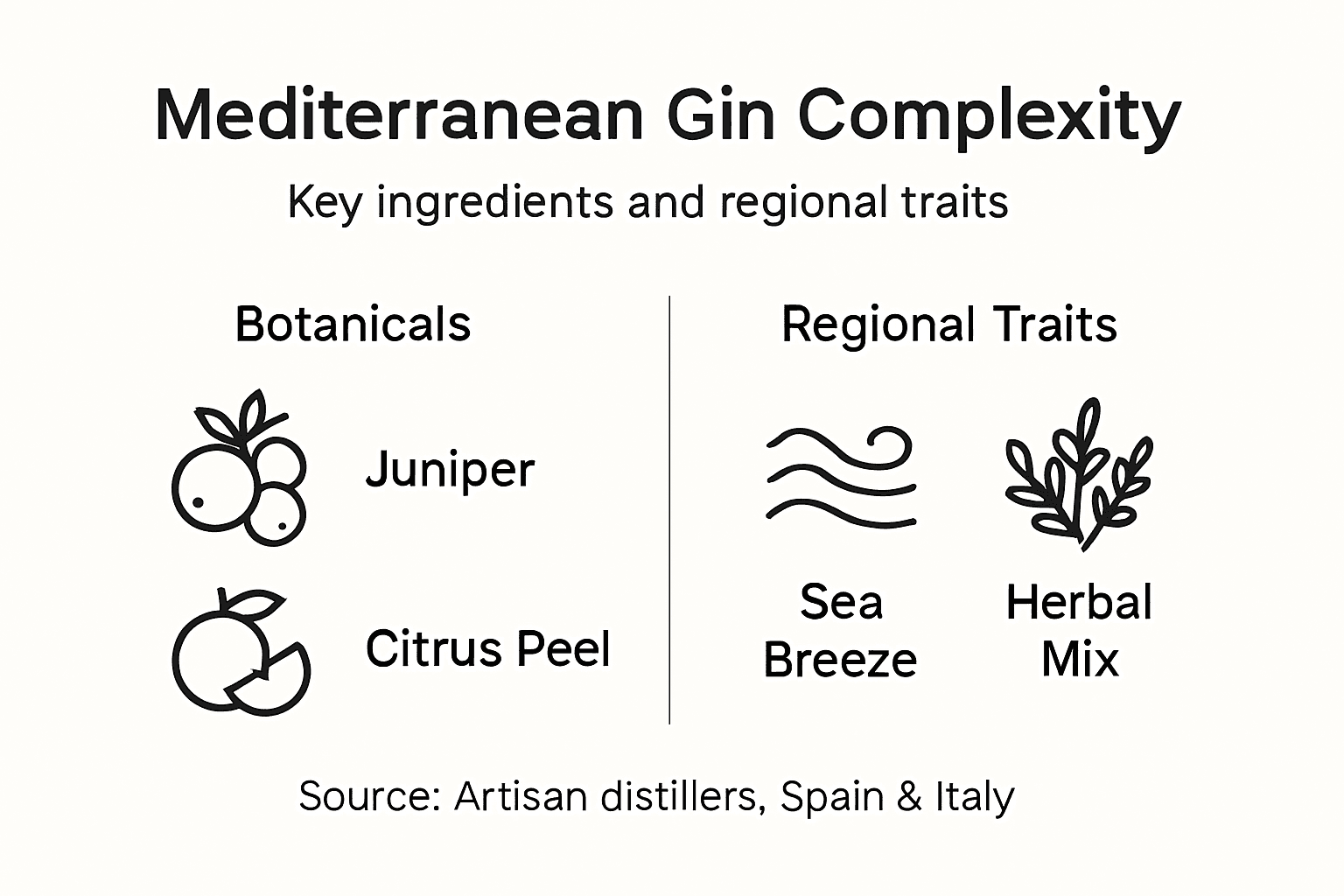
Mediterranean gin distinguishes itself through a remarkable approach to botanical selection. Unlike traditional styles, Mediterranean gins incorporate locally sourced herbs, citrus, and aromatic plants that reflect the region’s rich agricultural heritage. These gins often feature zesty citrus notes, herbal undertones, and a more complex, layered flavor profile that captures the essence of Mediterranean landscapes.
Here’s a summary comparing primary gin styles and their key characteristics:
| Gin Style | Key Flavor Profile | Typical Region | Unique Feature |
|---|---|---|---|
| London Dry | Juniper-forward, crisp | England | No artificial flavorings |
| Plymouth | Smooth, less juniper | Plymouth, England | Protected regional appellation |
| Genever | Malty, robust, earthy | Netherlands | Made from malt wine base |
| Navy Strength | Intense, high-proof | United Kingdom | Traditionally 57% ABV |
| Old Tom | Sweeter, rounder botanicals | England (historical) | Popular in vintage cocktails |
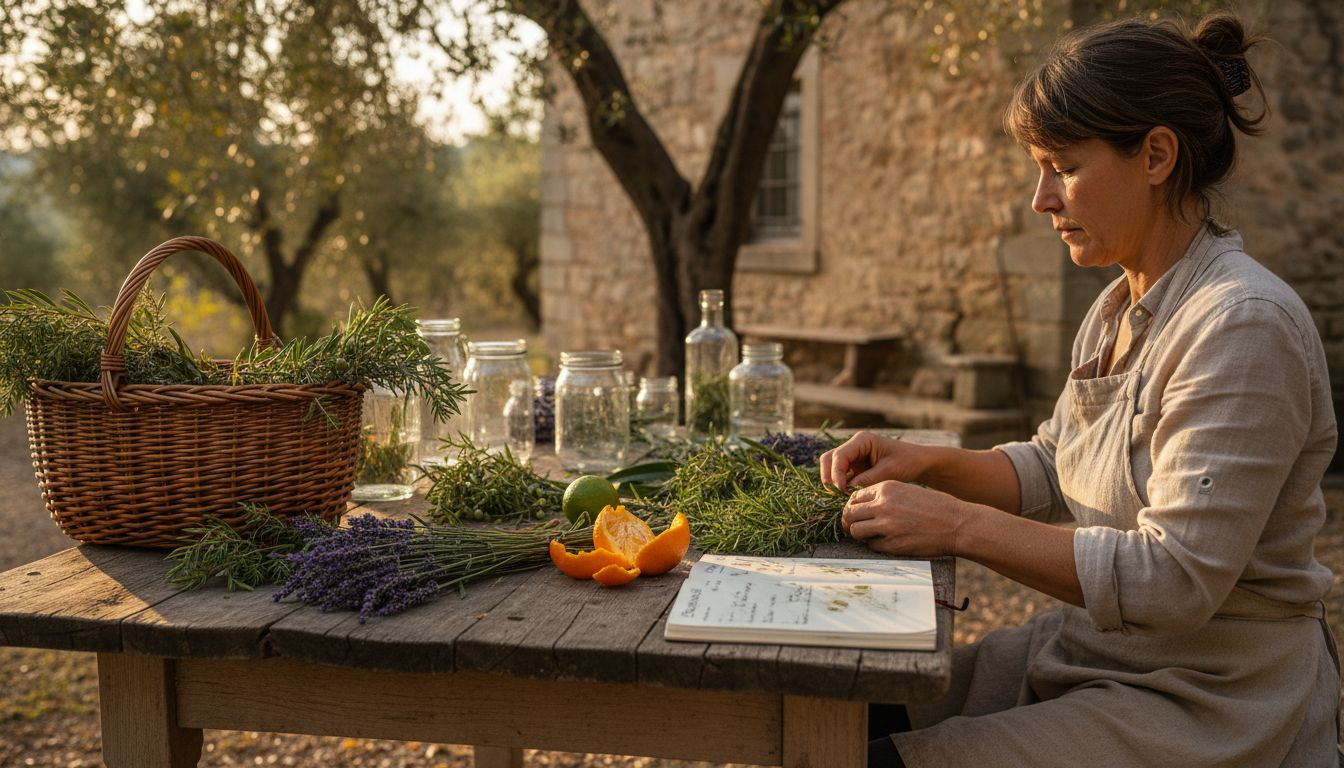
The distinctive Mediterranean flavor characteristics emerge from carefully curated botanical combinations. Distillers in this region leverage ingredients like rosemary, thyme, sage, and local citrus fruits to create gins with unprecedented depth and regional authenticity.
Pro tip: When exploring Mediterranean gins, focus on the unique botanical blend and try them both neat and in light, refreshing cocktails to fully appreciate their nuanced flavor profile.
How Botanicals Shape Gin’s Flavor Complexity
Gin’s remarkable complexity emerges from a delicate dance of botanical ingredients, with botanical interactions creating unique flavor profiles. At the heart of this intricate process lies juniper, the mandatory botanical that defines gin’s fundamental character.
The primary botanicals that contribute to gin’s complexity include:
- Juniper berries: The essential base, providing piney and resinous notes
- Coriander seeds: Adding citrusy and slightly nutty undertones
- Angelica root: Providing earthy, herbal depth
- Citrus peels: Introducing bright, zesty dimensions
- Cardamom: Delivering warm, spicy complexity
- Orris root: Serving as a crucial binding agent for other flavors
Each botanical brings a unique chemical signature to the gin, releasing volatile compounds during distillation that interact in surprising and sophisticated ways. Extraction methods play a critical role in flavor development, with techniques like maceration and vapor infusion allowing distillers to coax out nuanced flavor profiles.
The intricate process of botanical selection transforms gin from a simple spirit into a complex sensory experience. Craft distillers carefully balance these ingredients, creating a harmonious blend that can range from bright and citrusy to deep and earthy, reflecting the artistry of spirit production.
Pro tip: When tasting gin, start by identifying individual botanical notes, then appreciate how they harmonize to create the spirit’s unique character.
Traditional Distillation and Craftmanship Techniques
Gin production represents a delicate balance between scientific precision and artistic expression, with traditional distillation methods defining the spirit’s ultimate character. The process begins with a high-purity neutral grain alcohol that serves as the foundational canvas for botanical expression.
The primary distillation techniques for crafting exceptional gin include:
- Maceration: Steeping botanicals directly in the base spirit before distillation
- Vapor Infusion: Suspending botanicals in baskets, allowing steam to extract delicate flavors
- Copper Pot Still Method: Using traditional copper equipment to refine and concentrate flavors
- Small Batch Distillation: Ensuring meticulous control and consistency
- Sequential Botanical Addition: Layering different botanical ingredients for complex profiles
Copper pot stills play a crucial role in gin production, with their unique metallurgical properties helping to remove unwanted sulfur compounds and create a smoother, more refined spirit. Distillers carefully control temperature, pressure, and botanical interaction to coax out nuanced flavor profiles that distinguish their gin from others.
This reference table provides an overview of distillation methods and their impact on gin:
| Distillation Method | Process Description | Flavor Impact |
|---|---|---|
| Maceration | Botanicals soaked before distilling | Strong, concentrated flavors |
| Vapor Infusion | Botanicals suspended above spirit | Delicate, balanced notes |
| Copper Pot Still | Heated in copper vessel | Smooth, refined finish |
| Sequential Addition | Gradual botanical layering | Complex, layered aroma |
The intricate art of gin craftsmanship transforms a simple neutral spirit into a complex sensory experience. Master distillers spend years perfecting their techniques, balancing traditional methods with innovative approaches to create gins that tell a unique story of place, ingredients, and skill.
Pro tip: When exploring gin, pay attention to the distillery’s specific techniques and botanical selections, as these elements reveal the true artistry behind each unique spirit.
Mediterranean Ingredients and Unique Variations
Mediterranean gin represents a revolutionary approach to spirit production, transforming traditional gin recipes through an extraordinary botanical landscape. These distinctive spirits capture the essence of regional terroir, incorporating ingredients that tell a complex story of landscape and tradition.
The unique Mediterranean botanical palette includes:
- Citrus fruits: Lemons and oranges providing bright, zesty undertones
- Aromatic herbs: Thyme, rosemary, and basil delivering herbal complexity
- Olive elements: Arbequina olives contributing subtle savory notes
- Local wildflowers: Adding delicate, indigenous flavor profiles
- Regional spices: Capturing the nuanced Mediterranean culinary spirit
Each botanical selection represents a deliberate choice to showcase regional character. Small-batch production ensures that these gins maintain an intimate connection with their geographic origins, allowing distillers to experiment with unique flavor combinations that reflect local agricultural traditions.
The Spanish Mediterranean gin innovation demonstrates how terroir profoundly influences spirit production. By integrating hyperlocal ingredients, Mediterranean distillers create gins that are simultaneously traditional and revolutionary, offering a sensory journey through their unique environmental landscape.
Pro tip: When exploring Mediterranean gins, prioritize bottles that clearly highlight their local ingredient sources and small-batch production methods.
Risks of Inconsistency and Common Quality Pitfalls
Gin production represents a complex challenge where quality management demands extraordinary precision. The delicate balance of botanicals, base spirits, and production techniques creates numerous potential points of inconsistency that can dramatically impact the final product’s sensory profile.
Key risks in gin production include:
- Botanical Variability: Natural differences in herb and fruit characteristics
- Moisture Content Fluctuations: Impacting extraction and flavor intensity
- Sourcing Inconsistencies: Variations in raw ingredient quality
- Distillation Temperature Variations: Affecting volatile compound release
- Storage and Aging Conditions: Potential flavor degradation
Botanical sourcing represents the most critical vulnerability in maintaining gin quality. Master distillers must navigate complex challenges of seasonal variations, regional differences, and potential supply chain disruptions that can compromise the precise flavor profile they aim to achieve.
The challenges of scaling gin production reveal how difficult it becomes to maintain consistent quality as production volumes increase. Small fluctuations in botanical proportions can create significant sensory shifts, requiring meticulous monitoring and expert blending techniques to preserve the gin’s intended character.
Pro tip: Develop comprehensive botanical tracking systems that document each ingredient’s origin, harvest date, and chemical composition to minimize production inconsistencies.
Discover the Unique Complexity of Mediterranean Gin with Gin Niro
Unlock the secrets behind gin’s intricate flavor profiles by exploring Mediterranean botanicals and traditional craftsmanship. This article highlights the challenges of balancing diverse ingredients like citrus fruits, aromatic herbs, and olive elements to create a truly distinctive spirit. If you are fascinated by how regional terroir transforms gin into an artisanal masterpiece, Gin Niro offers an authentic taste experience inspired by Sicilian citrus and zibibbo grapes.
Experience the captivating blend of Mediterranean flavors yourself with Gin Niro. Visit our Homepage – Gin Niro to explore our premium gin selection crafted using time-honored distillation methods. Elevate your appreciation of gin by indulging in a bottle that perfectly captures the essence of the Mediterranean. Start your journey today at https://ginniro.it and savor the artistry behind each sip.
Frequently Asked Questions
What are the key characteristics of Mediterranean gin?
Mediterranean gin is distinguished by its incorporation of locally sourced botanicals such as citrus fruits, aromatic herbs, and regional spices, resulting in a complex, zesty flavor profile that captures the essence of Mediterranean landscapes.
How do the botanicals in gin affect its flavor?
The combination of botanicals, including juniper berries, coriander seeds, and citrus peels, creates unique flavor profiles in gin. Each botanical contributes distinct aromas and tastes that interact during distillation to enhance the spirit’s overall character.
What are the different methods used in gin production?
Common gin production methods include maceration, where botanicals steep in alcohol, and vapor infusion, where botanicals are suspended above the spirit during distillation. These methods influence the extraction and balance of flavors in the final product.
What are the risks that can affect the quality of gin?
Risks in gin production include variations in botanical quality, moisture content fluctuations, and inconsistent distillation temperatures. These factors can impact the final product’s flavor profile, making quality management essential for distillers.


