

Exploring premium gin begins with understanding the vital role of botanicals, where ingredients like juniper berries shape the spirit’s signature pine and herbal notes. For connoisseurs seeking Mediterranean character, the careful selection of rosemary, citrus, and local herbs creates bold regional profiles. From Spanish innovation to classic British technique, the balance of botanicals and distillation artistry transforms neutral alcohol into a world of nuanced flavor that rewards those who look beyond the surface.
Table of Contents
- Defining Gin Ingredients And Their Role
- Exploring Mediterranean Gin Botanicals
- How Premium Ingredients Shape Flavor Profiles
- Traditional Vs. Modern Distillation Methods
- Common Mistakes In Ingredient Selection
Key Takeaways
| Point | Details |
|---|---|
| Role of Botanicals | Juniper berries are essential in defining gin’s flavor, with other ingredients like coriander and rosemary adding complexity to its profile. |
| Mediterranean Influence | Local botanicals and traditional techniques play a critical role in Mediterranean gin production, enhancing flavor and cultural significance. |
| Ingredient Precision | Careful selection and preparation of botanicals are crucial for avoiding undesirable flavors and maintaining gin quality. |
| Distillation Methods | The balance of traditional and modern distillation techniques impacts flavor consistency and production efficiency. |
Defining Gin Ingredients and Their Role
Gin represents a complex spirit defined by its foundational botanical components, with juniper berries as the primary flavor agent. This distinctive spirit emerges from a carefully curated blend of herbs, spices, fruits, and roots that transform neutral grain alcohol into a nuanced beverage with remarkable sensory characteristics.
Traditionally, gin production begins with a neutral base spirit distilled from grains like wheat, barley, or corn. Distillers then introduce a carefully selected array of botanicals during or after the initial distillation process. These ingredients are not mere additives but critical flavor architects that define gin’s unique profile. Coriander seeds, angelica root, citrus peels, and various Mediterranean herbs contribute layers of complexity that distinguish different gin styles.
The Mediterranean region particularly influences gin ingredients through its rich botanical diversity. Ingredients like rosemary, thyme, sage, and local citrus varieties bring distinctive regional characteristics to gin production. Clear spirits infused with botanical materials represent a delicate balance between traditional techniques and innovative flavor exploration, allowing master distillers to craft spirits that reflect both cultural heritage and contemporary taste preferences.
Pro tip: When exploring gin, taste multiple styles side by side to appreciate how different botanical combinations dramatically transform the spirit’s fundamental character.
Here’s a concise overview of how key botanicals influence gin flavor profiles:
| Botanical | Primary Sensory Note | Mediterranean Role | Special Flavor Impact |
|---|---|---|---|
| Juniper berries | Pine, herbal | Essential in all gins | Provides classic gin backbone |
| Coriander seeds | Citrus, spice | Common, especially Spanish gins | Adds citrusy warmth |
| Rosemary | Herbal, woody | Widely used in Mediterranean styles | Intensifies herbal aroma |
| Citrus peels | Bright, zesty | Sourced from regional fruits | Delivers fresh, lively flavor |
| Angelica root | Earthy, musky | Frequent in both traditional and modern gins | Enhances depth and smoothness |
Exploring Mediterranean Gin Botanicals
Mediterranean gin production represents a remarkable culinary art form, characterized by distinctive local botanical traditions. The region’s diverse landscape provides a stunning array of herbs, fruits, and aromatic plants that transform gin from a simple spirit into a complex sensory experience deeply rooted in local terroir.
Traditional Mediterranean botanicals bring extraordinary depth to gin production. Herbs like thyme, rosemary, and basil contribute vibrant green notes that reflect the region’s rugged landscapes. Ingredients such as Arbequina olives introduce unexpected savory dimensions, while local citrus peels add bright, zesty undertones. These botanicals are not randomly selected but carefully chosen to represent the nuanced flavor profiles of specific Mediterranean microclimates.
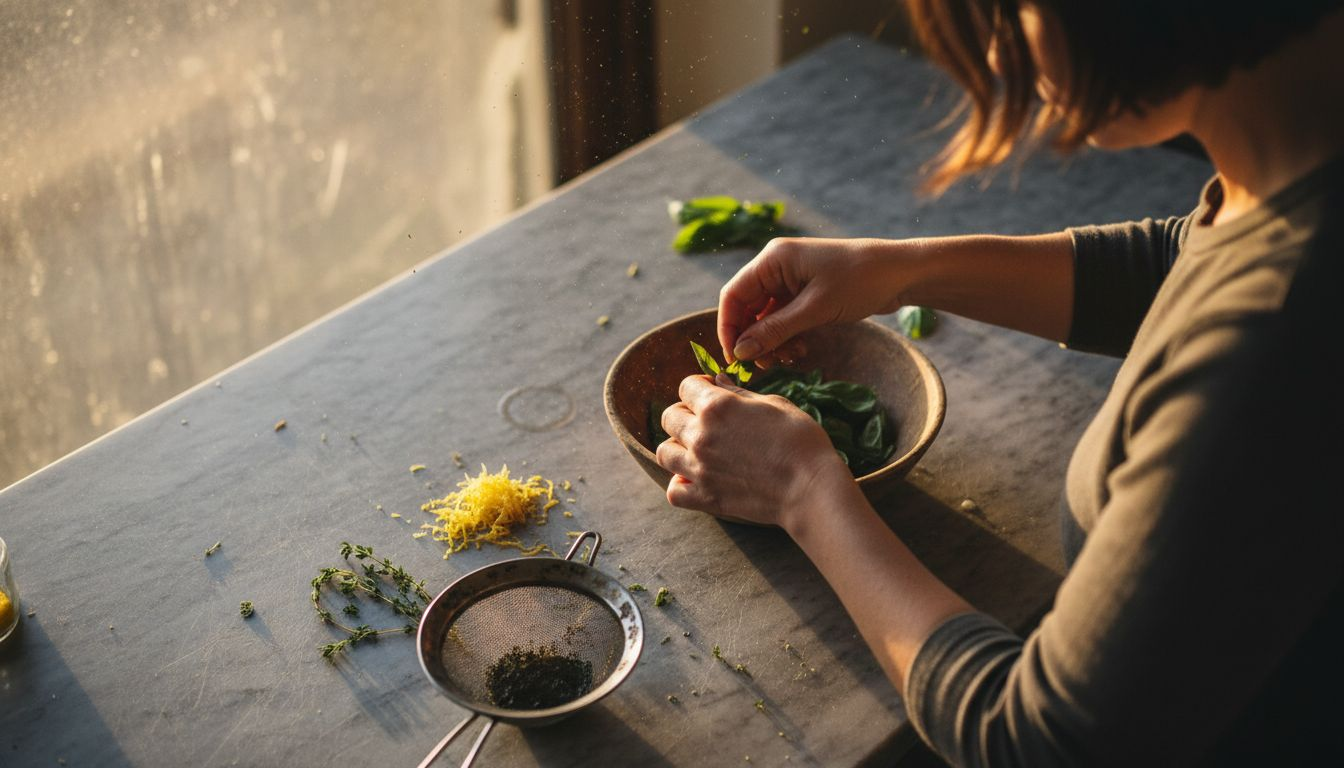
The unique approach to gin in Mediterranean countries goes beyond simple ingredient selection. Distillers often use local wine spirits as a base, creating a foundational flavor that connects the spirit directly to regional agricultural traditions. This method allows gin to become more than a beverage - it transforms into a liquid narrative of landscape, culture, and culinary heritage. Each botanical tells a story, from the sun-drenched hillsides of Spain to the coastal regions of Italy, capturing the essence of Mediterranean ecosystems in every carefully crafted bottle.
Pro tip: When exploring Mediterranean gins, try pairing them with regional tapas or antipasti to fully appreciate the intricate botanical connections between spirit and cuisine.
How Premium Ingredients Shape Flavor Profiles
Premium gin production is fundamentally an intricate science of flavor composition, where volatile compound interactions define sensory quality. The precise selection and careful processing of botanical ingredients determine the spirit’s ultimate aromatic complexity, transforming a simple alcohol base into a nuanced sensory experience.
Key flavor-defining compounds like monoterpenes play a critical role in gin’s sensory profile. Ingredients such as juniper berries contribute distinctive chemical compounds including β-pinene, γ-terpinene, and limonene, which create the characteristic piney, herbal, and citrus notes that gin enthusiasts appreciate. The geographic origin, harvest conditions, and processing techniques of these botanicals directly influence their volatile compound concentrations, ultimately shaping the gin’s final flavor landscape.
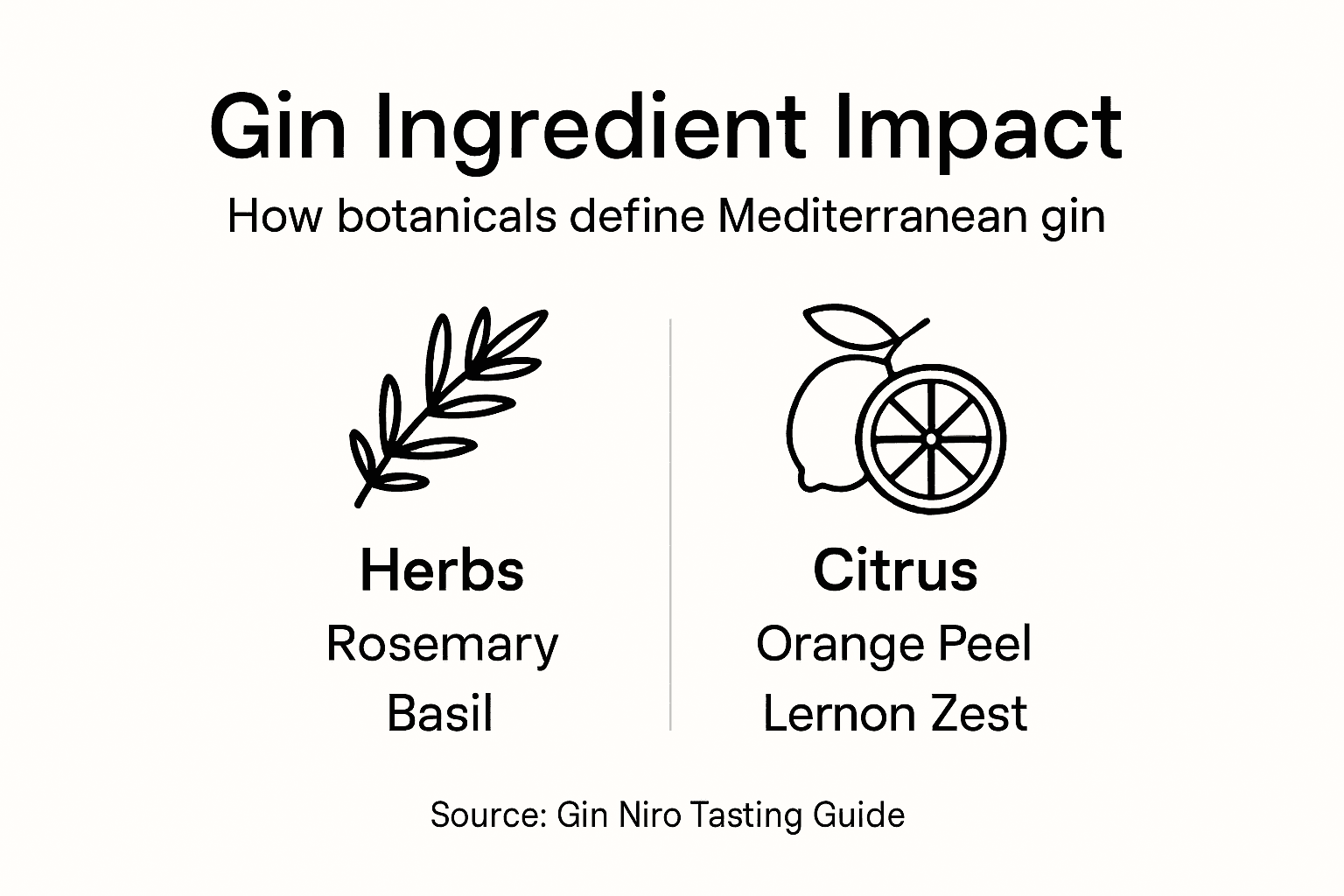
Environmental factors and ingredient sourcing become paramount in premium gin production. Juniper berries’ aromatic compounds vary dramatically based on climate conditions, geographical location, and specific harvest year. Master distillers must navigate these subtle variations, selecting ingredients that consistently deliver exceptional flavor profiles while maintaining the spirit’s fundamental character. This meticulous approach transforms gin from a simple alcoholic beverage into a sophisticated expression of botanical artistry.
Pro tip: When sampling gins, smell the spirit before tasting to appreciate the subtle aromatic nuances created by premium botanical ingredients.
Traditional vs. Modern Distillation Methods
Gin distillation represents a delicate balance between time-honored techniques and cutting-edge technological innovations. Copper pot still processes define traditional gin production, utilizing time-tested methods that have preserved the spirit’s authentic character for generations. These classic approaches involve carefully macerated botanicals and precise vapor infusion techniques that extract nuanced flavor profiles with remarkable consistency.
Modern distillation methods introduce sophisticated technological interventions that dramatically transform gin production. Continuous distillation processes and advanced control technologies enable distillers to achieve unprecedented levels of precision and efficiency. While traditional methods rely on artisanal skills passed down through generations, contemporary approaches leverage computer-assisted monitoring, allowing for minute adjustments in temperature, botanical ratios, and extraction parameters that were previously impossible.
The evolution of gin distillation reflects a fascinating intersection between craft and technology. Today’s master distillers must balance respect for traditional techniques with the potential of modern scientific approaches. Optimization efforts now focus on parameters such as charge volume, compositional analysis, and advanced cooling regimes. This approach allows distilleries to maintain the spirit’s sensory quality while dramatically improving production consistency and reducing utility consumption. The result is a gin that honors its historical roots while embracing technological innovation.
Pro tip: When touring a distillery, ask about their specific distillation method to understand how traditional and modern techniques combine to create unique gin expressions.
Below is a comparison of traditional and modern gin distillation methods:
| Method | Key Features | Pros | Cons |
|---|---|---|---|
| Traditional (Copper Pot) | Maceration, vapor infusion | Rich flavor, artisanal heritage | Lower efficiency, higher labor costs |
| Modern (Continuous) | Automated controls, rapid processing | Consistent quality, scalable production | Possible loss of unique nuances |
Common Mistakes in Ingredient Selection
Gin production demands extraordinary precision, with ingredient selection being a critical vulnerability for many distillers. Novice and experienced producers alike can encounter significant flavor challenges when selecting and preparing botanical ingredients, making careful sourcing and handling paramount to creating a high-quality spirit.
Citrus ingredients present a particularly nuanced challenge in gin production. Improperly prepared citrus peels can introduce undesirable soapy off-flavors due to saponins in the pith and oxidation of limonene compounds. Professional distillers understand that dried peels require specific preparation techniques, including careful soaking and controlled maceration to prevent bitter or unbalanced flavor profiles. The molecular complexity of botanical ingredients means that even minor handling errors can dramatically alter the gin’s sensory experience.
Ingredient consistency represents another critical area where distillation errors frequently occur. Botanical inconsistencies can compromise gin quality through improper extraction, storage, or ratio management. Master distillers must maintain rigorous standards for ingredient sourcing, monitoring everything from botanical origin and freshness to precise storage conditions. Over- or under-extraction of key ingredients can create imbalanced flavor profiles that undermine the spirit’s fundamental character, transforming what should be a sophisticated beverage into an unremarkable or even unpleasant drink.
Pro tip: Always taste and smell individual botanicals before incorporating them into your gin recipe to ensure peak freshness and optimal flavor potential.
Discover the True Essence of Mediterranean Gin with Gin Niro
Crafting the perfect Mediterranean gin requires mastering the delicate balance of traditional botanicals and premium ingredients, just like the rich profiles discussed in this article. If you have ever wondered how authentic citrus peels, aromatic zibibbo grapes, and classic distillation methods come together to create a uniquely vibrant and smooth gin experience then Gin Niro is your answer. By embracing local terroir and artisanal craftsmanship, this Mediterranean-style gin overcomes common challenges such as ingredient inconsistencies and flavor imbalances to deliver a premium spirit that truly reflects its cultural roots.
Elevate your gin enjoyment by exploring our carefully curated collection at Homepage – Gin Niro. Whether you are a seasoned connoisseur or new to Mediterranean gins, you will appreciate how each sip reveals the passion behind every batch. Don’t miss the opportunity to taste a gin that honors tradition while celebrating modern flavor innovation. Visit https://ginniro.it now to claim a bottle and immerse yourself in the authentic Mediterranean spirit.
Frequently Asked Questions
What are the primary ingredients in gin that influence its flavor?
The key ingredients in gin include juniper berries, coriander seeds, various citrus peels, angelica root, and a variety of herbs. Each ingredient contributes unique sensory notes that define the gin’s overall flavor profile.
How do Mediterranean botanicals impact gin flavor?
Mediterranean botanicals, such as thyme, rosemary, and local citrus peels, add distinct herbal and zesty notes that enhance the complexity of gin. These ingredients reflect the region’s diverse ecosystems and agricultural traditions.
What role do traditional distillation methods play in flavor development?
Traditional distillation methods, such as copper pot still processes, allow for careful extraction of flavors from botanicals, preserving rich flavor profiles and the spirit’s authentic character. This artisanal approach contributes to the complexity of the final product.
Why is premium ingredient selection crucial in gin production?
Premium ingredients are critical because their volatile compounds significantly influence gin’s sensory quality. The selection and processing of botanicals can determine the aromatic complexity and overall flavor experience of the gin.


