

Bold flavors and fresh aromatics draw many American and European cocktail enthusiasts to the rich world of Mediterranean gin. Sourcing regionally grown juniper, rosemary, thyme, and basil is not just tradition—it is the secret behind creating a spirit that truly captures Mediterranean terroir. This guide empowers you to identify premium botanicals, master distillation methods, and refine your home mixology with creative pairing strategies for a genuine Mediterranean gin experience.
Table of Contents
- Step 1: Identify Premium Mediterranean Botanicals And Ingredients
- Step 2: Prepare And Measure Base Spirits For Mediterranean-Style Gin
- Step 3: Combine And Infuse Key Flavors Using Traditional Methods
- Step 4: Test Aroma And Taste For Optimal Mediterranean Profile
- Step 5: Pair Mediterranean-Style Gin With Garnish And Cocktail Recipes
Quick Summary
| Key Insight | Explanation |
|---|---|
| 1. Identify premium botanicals | Focus on high-quality Mediterranean botanicals like local herbs and citrus peels to create distinctive flavors. |
| 2. Select a pure base spirit | Choose a base spirit with at least 95% alcohol purity for optimal flavor infusion and clarity in gin. |
| 3. Master infusion methods | Use techniques like maceration and vapor infusion to effectively extract flavors from botanicals. |
| 4. Conduct thorough tasting tests | Evaluate aroma and taste through systematic tasting methods to ensure flavor balance and quality. |
| 5. Pair with appropriate garnishes | Enhance drinks by using fresh herbs, citrus accents, and spices that complement the gin’s profile. |
Step 1: Identify premium Mediterranean botanicals and ingredients
Understanding the nuanced world of Mediterranean-style gin requires a deep appreciation for regionally sourced botanicals that create exceptional flavor profiles. This step focuses on identifying the most premium ingredients that transform an ordinary gin into an extraordinary Mediterranean spirit.
Mediterranean gin crafting centers around selecting high-quality botanical components with distinctive regional characteristics. Botanical extracts from Mediterranean herbs offer complex aromatic and flavor dimensions that distinguish these spirits.
Key botanicals to seek out include:
- Juniper berries from specific Mediterranean mountain regions
- Local herb varieties such as rosemary, thyme, and basil
- Citrus peels from Sicily and Southern Italy
- Coriander seeds with regional flavor variations
When sourcing ingredients, prioritize these characteristics:
- Geographic origin of the botanical
- Harvest methods
- Post-processing techniques
- Flavor intensity and complexity
Authentic Mediterranean gin depends on selecting botanicals that reflect the region’s unique terroir and traditional harvesting practices.
Pro tip: Visit local herb markets and consult regional distillers to discover the most exceptional and authentic Mediterranean botanical sources.
Step 2: Prepare and measure base spirits for Mediterranean-style gin
Crafting an exceptional Mediterranean-style gin begins with selecting and precisely preparing the base spirit. This foundational step determines the clarity, smoothness, and potential for botanical infusion in your final gin product.
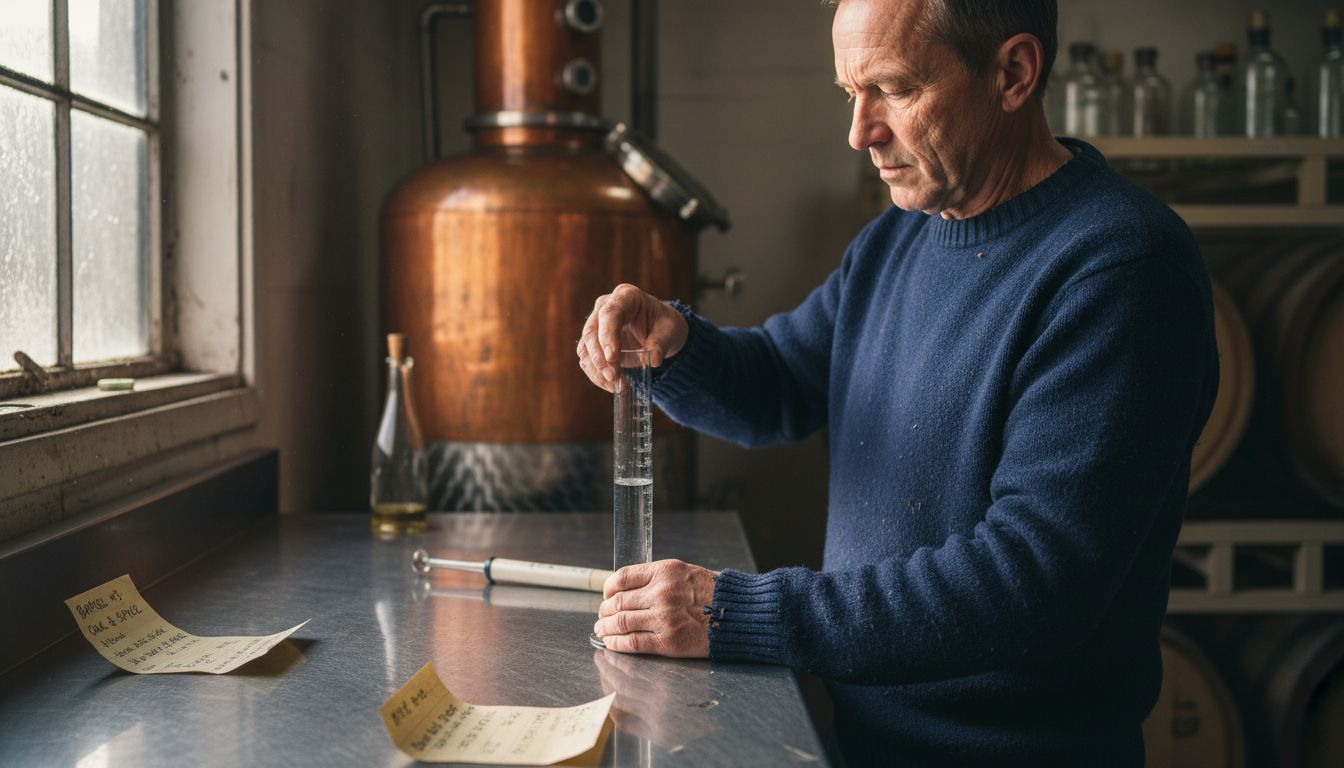
Neutral spirit preparation requires meticulous attention to alcohol concentration and purity. Professional distillers typically use high-purity grain or malt spirits with an initial alcohol content around 95-96% ABV, which serves as a pristine canvas for Mediterranean botanical flavors.
Key considerations for base spirit selection include:
- Alcohol purity levels above 95%
- Neutral flavor profile with minimal interference
- Consistent distillation standards
- Origin of the base spirit (preferably grain or malt)
Precise measurement techniques are crucial:
- Verify initial alcohol concentration
- Dilute to standard Mediterranean gin strength (40-45% ABV)
- Use calibrated measuring equipment
- Maintain consistent temperature during dilution
The quality of your base spirit directly influences the final gin’s aromatic complexity and flavor integrity.
Pro tip: Invest in a professional-grade alcohol hydrometer to ensure precise alcohol content measurements during your Mediterranean gin preparation.
Step 3: Combine and infuse key flavors using traditional methods
Mastering the art of Mediterranean-style gin requires understanding the delicate process of botanical infusion. This step transforms your base spirit into a complex and aromatic gin that captures the essence of Mediterranean herbs and citrus.
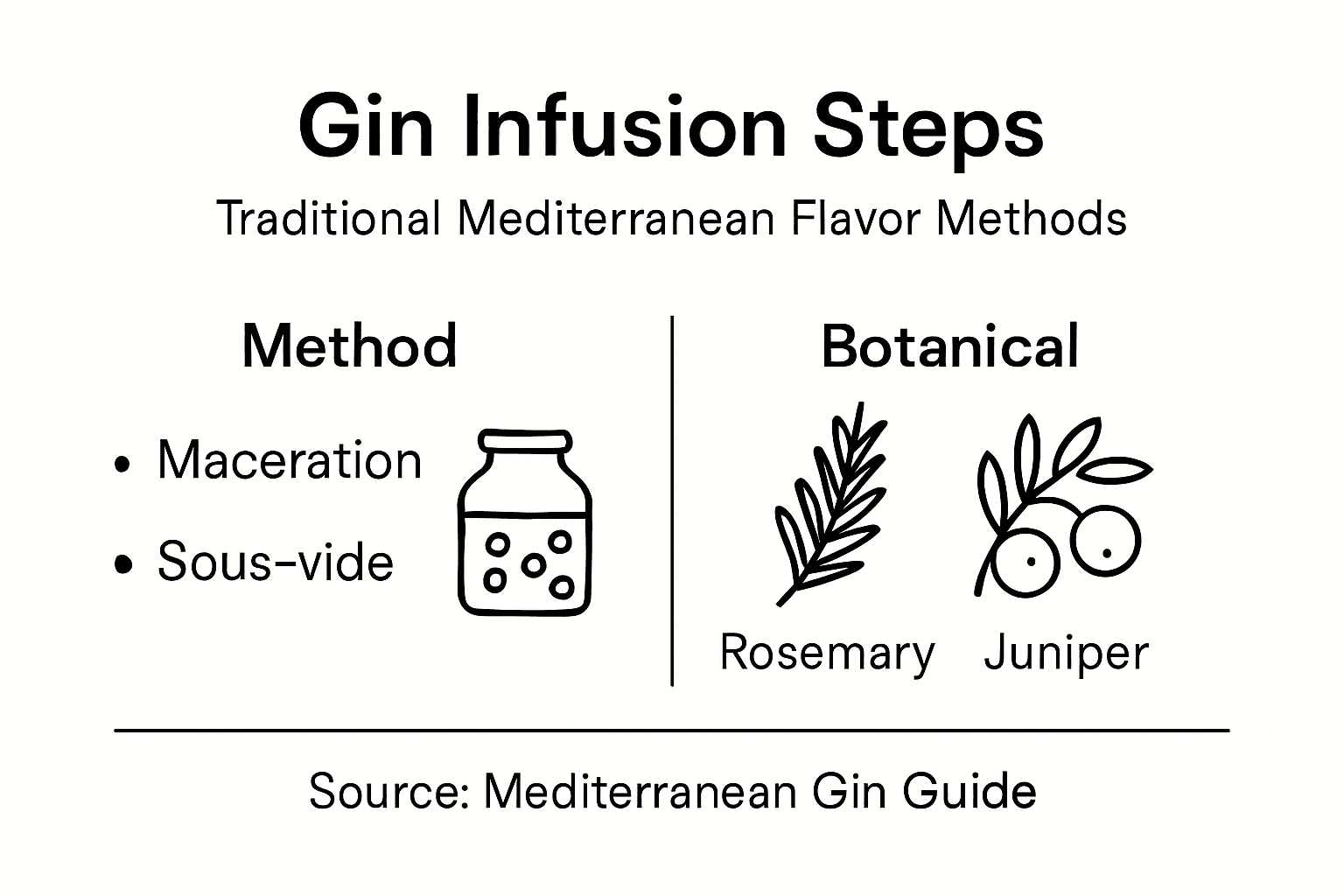
Traditional gin flavoring techniques offer two primary methods for extracting botanical flavors: maceration and vapor infusion. Professional distillers carefully select and combine these approaches to create a nuanced flavor profile that reflects the Mediterranean terroir.
Key infusion methods include:
- Maceration: Steeping botanicals directly in the base spirit
- Vapor infusion: Suspending botanicals above the spirit during distillation
- Cold steeping: Extracting flavors at lower temperatures
- Sous-vide infusion: Using precise temperature control
Step-by-step infusion process:
Here’s a quick comparison of the main botanical infusion methods for Mediterranean gin:
| Infusion Method | Flavor Profile Effect | Typical Time Required |
|---|---|---|
| Maceration | Deep, layered flavors | 12–48 hours |
| Vapor Infusion | Lighter, aromatic notes | 2–4 hours |
| Cold Steeping | Fresh, crisp character | 24–72 hours |
| Sous-vide Infusion | Clean, precise extraction | 2–8 hours |
- Select high-quality Mediterranean botanicals
- Choose appropriate infusion method
- Measure botanical quantities precisely
- Control steeping time and temperature
- Taste and adjust flavor balance
The key to exceptional Mediterranean gin lies in balancing delicate herbal notes with bright citrus undertones.
Pro tip: Experiment with small batches using different infusion times and temperatures to discover your ideal flavor combination.
Step 4: Test aroma and taste for optimal Mediterranean profile
The culmination of your Mediterranean gin crafting journey involves meticulously evaluating the sensory experience through professional tasting and aroma assessment. This critical step transforms your carefully prepared spirit into a refined, authentic Mediterranean gin.
Professional gin tasting protocols employ sophisticated techniques to analyze botanical synergy and flavor complexity. Chemical analysis and sensory panels help identify key aromatic compounds like limonene and linalool that define the Mediterranean gin’s characteristic profile.
Key aroma and taste testing techniques:
- Visual inspection: Assess gin’s clarity and color
- Nosing: Evaluate initial aromatic complexity
- First sip: Analyze initial flavor impressions
- Mouthfeel: Examine texture and smoothness
- Finish: Note lingering herbal and citrus notes
Step-by-step sensory evaluation process:
- Use a clean, clear tasting glass
- Observe gin’s visual characteristics
- Perform multiple smell tests
- Take small, deliberate sips
- Compare against Mediterranean flavor benchmarks
The true artistry of Mediterranean gin lies in achieving a harmonious balance between herbal intensity and citrus brightness.
Pro tip: Use a white background and neutral lighting to ensure accurate color and clarity assessment during your gin tasting.
Step 5: Pair Mediterranean-style gin with garnish and cocktail recipes
Elevating your Mediterranean-style gin requires understanding the delicate art of garnishing and cocktail creation. This step transforms your carefully crafted spirit into an extraordinary sensory experience that celebrates Mediterranean culinary traditions.
Mediterranean cocktail recipes showcase the versatility of gin through innovative combinations of fresh herbs, citrus, and unique flavor profiles. Crafting the perfect cocktail involves balancing botanical complexity with complementary garnishes and ingredients.
Key garnish and cocktail pairing strategies:
- Fresh herb garnishes: Rosemary, thyme, and basil sprigs
- Citrus accents: Lemon, orange, and bergamot peels
- Spice elements: Cracked black pepper, fennel seeds
- Temperature considerations: Serve chilled or over ice
Cocktail creation process:
Use this table to help pair Mediterranean-style gin with distinctive cocktail garnishes:
| Botanical Flavor Notes | Ideal Cocktail Garnishes | Recommended Glass Type |
|---|---|---|
| Herbal & Earthy | Rosemary or thyme sprig | Copa glass |
| Bright Citrus | Lemon, orange, bergamot peel | Highball |
| Spicy Undertones | Cracked black pepper, fennel seed | Old fashioned |
| Floral Accents | Edible flowers, basil leaf | Martini |
- Select complementary botanical ingredients
- Balance herbal and citrus notes
- Choose appropriate glassware
- Prepare precise measurements
- Garnish with intention
Mediterranean gin cocktails are an art form that celebrates regional flavors and culinary heritage.
Pro tip: Experiment with herb-infused simple syrups to add depth and authenticity to your Mediterranean gin cocktails.
Elevate Your Mediterranean Gin Journey with Gin Niro
Mastering Mediterranean-style gin involves navigating challenges like sourcing authentic botanicals, perfecting infusion techniques, and balancing herbal and citrus flavors. If you seek to capture the true essence of Mediterranean terroir and craftsmanship the artisanal Gin Niro collection offers a unique solution. Crafted with zibibbo grapes and Sicilian citrus using traditional distillation methods Gin Niro embodies the complexity and freshness every connoisseur desires.
Discover how to turn your gin mastery into a sensory experience by exploring the distinct taste profile and artisanal quality of Gin Niro at our Homepage – Gin Niro. Take the next step today and visit https://ginniro.it to bring the authentic spirit of the Mediterranean directly to your glass. Your perfect Mediterranean-style gin awaits.
Frequently Asked Questions
What are the key botanicals to include in Mediterranean-style gin?
The key botanicals for Mediterranean-style gin include Juniper berries, local herb varieties such as rosemary and thyme, citrus peels, and coriander seeds. Focus on sourcing high-quality ingredients that reflect the region’s unique characteristics to enhance the flavor.
How do I prepare the base spirit for crafting Mediterranean gin?
To prepare your base spirit, use a neutral high-purity grain or malt spirit with an alcohol content of around 95-96% ABV. Measure the initial alcohol concentration, then dilute it to a strength of 40-45% ABV for optimal botanical infusion.
What infusion methods can I use to flavor my Mediterranean-style gin?
You can use maceration, vapor infusion, cold steeping, or sous-vide infusion to flavor your Mediterranean gin. Select the method that best suits your desired flavor profile, controlling steeping time and temperature for the best results.
How can I evaluate the aroma and taste of my Mediterranean gin?
To evaluate your gin, conduct a sensory assessment that includes visual inspection, nosing, tasting, and noting the finish. Take small, deliberate sips and compare the flavors against Mediterranean benchmarks to ensure balance.
What garnishes work well with Mediterranean-style gin cocktails?
Ideal garnishes for Mediterranean-style gin cocktails include fresh herbs like rosemary and thyme, citrus accents such as lemon or orange peels, and spice elements like cracked black pepper. Choose garnishes that complement the gin’s botanical profile to enhance the overall experience.
How can I create a balanced cocktail with Mediterranean-style gin?
To create a balanced cocktail, select complementary botanical ingredients, ensuring a good mix of herbal and citrus notes. Measure your ingredients accurately and select appropriate glassware to enhance presentation, aiming for a harmonious flavor experience.


