

Crafting gin means more than just boosting alcohol content—it is about capturing the precise essence of botanicals through expert distillation. For North American gin lovers passionate about Mediterranean spirits like Gin Niro, understanding the multiple distillation methods and careful selection of ingredients reveals why certain gins leave a lasting impression. Explore the techniques that set premium artisanal gin apart, from fermentation to the moment each bottle is filled.
Table of Contents
- Defining The Gin Distillation Process
- Types Of Gin Distillation Methods
- Role Of Botanicals In Mediterranean Gin
- Artisanal Distillation And Craftsmanship
- Common Mistakes And Quality Impacts
Key Takeaways
| Point | Details |
|---|---|
| Understanding Distillation Methods | Different gin distillation methods, such as vapor and maceration, significantly influence flavor profiles. Identifying these techniques can help consumers choose gins that align with their taste preferences. |
| Importance of Botanicals | Botanical selection is critical in defining gin’s character. Mediterranean gins prioritize local botanicals that reflect regional flavors and aromas, enhancing the overall drinking experience. |
| Artisanal Distillation Practices | Small-batch distillers emphasize quality and precision in their processes, leading to superior flavor and consistency. Researching a distillery’s methods can reveal the craftsmanship behind the gin. |
| Impact of Distillation Errors | Common distillation mistakes can lead to undesirable flavors and decreased quality. Awareness of these potential errors emphasizes the importance of precision and careful handling throughout the distillation process. |
Defining the Gin Distillation Process
Gin distillation is the process of concentrating alcohol and infusing flavor by separating ethanol from water and botanicals. Unlike many spirits that remain single-distilled, gin undergoes strategic redistillation specifically to capture the character of its botanicals. This multi-step approach creates the distinctive taste North American gin enthusiasts recognize.
At its core, distilled spirits production/01%3A_Modules/1.16%3A_Distilled_Spirits) starts with fermentation. Sugar-containing materials like grains or molasses undergo fermentation, converting sugars into ethanol through enzyme action. This fermented base becomes the foundation for everything that follows.
The process involves several key stages:
- Initial distillation: Separating pure ethanol from the fermented mash
- Botanical selection: Choosing which plants, herbs, and spices to use
- Infusion or re-distillation: Combining alcohol with botanicals to extract flavor compounds
- Final purification: Achieving desired alcohol strength and clarity
Mediterranean gins like those from Sicily incorporate regional botanicals that distinguish them from other styles. The selection of which botanicals to use, and how to extract their essential oils and flavors, defines the entire character of the final spirit.
The magic of gin distillation lies not just in concentrating alcohol, but in capturing the precise flavors of chosen botanicals through careful temperature control and timing.
What makes gin unique compared to other distilled spirits is the emphasis on botanical infusion. Gin flavoring through juniper and other botanicals creates the foundation of the category. Some gins use a traditional maceration method, where botanicals steep in alcohol before distillation. Others employ vapor distillation, where alcohol vapor passes through hanging botanicals, extracting their essence without full contact.
The choice between these methods dramatically affects the final flavor profile. Direct contact methods produce bolder, more integrated flavors. Vapor methods create lighter, more delicate botanical notes that shine individually rather than blending together.
Understanding these fundamentals helps explain why how gin is made involves specific ingredient combinations and procedures that directly impact taste. When you choose a gin, you’re selecting the result of deliberate distillation choices made by the producer.
Temperature control throughout distillation is critical. Too much heat burns away delicate aromas; too little fails to extract them fully. Expert distillers adjust temperatures precisely to capture only the flavor compounds they want while removing harsh, unpleasant elements.
Pro tip: When tasting gin, note whether the botanical flavors feel integrated and balanced or distinct and layered—this reveals the distillation method the producer chose.
Types of Gin Distillation Methods
Gin producers employ different distillation techniques depending on their botanical selections and flavor goals. Each method extracts botanicals differently, resulting in distinct flavor profiles that appeal to various gin enthusiasts. Understanding these approaches helps explain why your favorite gin tastes the way it does.
The main distillation methods used in craft gin production include:
- Vapor distillation: Alcohol vapor passes through hanging botanicals without direct contact
- Maceration distillation: Botanicals steep in alcohol before the mixture is distilled
- Percolation: Alcohol drips slowly through a bed of botanicals
- Infusion: Botanicals are added after distillation to the finished spirit
Vapor distillation produces lighter, more delicate botanical notes where each flavor shines individually. The botanicals never touch the hot liquid directly, so their essential oils are captured gently through steam extraction. This method suits gins emphasizing fresh, bright flavors like citrus or floral notes.
Maceration distillation creates bolder, more integrated flavors. Botanicals soak in alcohol for days or weeks before distillation, allowing deeper flavor compounds to dissolve. The distillation process then concentrates these flavors while removing unwanted harsh elements. This approach works well for gins featuring warm spices, herbs, or wood-based botanicals.
The choice of distillation method is as important as the botanicals themselves—it determines whether flavors blend harmoniously or stand out distinctly.
Vacuum distillation protects delicate botanicals that cannot survive high heat during traditional methods. By lowering boiling points, this advanced technique preserves fresh flavors like cucumber, honeysuckle, and other heat-sensitive ingredients. Some craft producers combine vapor distillation with vacuum techniques, layering flavors and creating remarkable complexity.
Simple and fractional distillation represent foundational techniques. Simple distillation suits liquids with different boiling points/05%3A_Distillation), while fractional distillation handles complex mixtures requiring higher purity. Fractional methods separate components more precisely, useful when achieving specific alcohol concentrations or removing undesirable compounds.
Mediterranean gin producers often combine multiple techniques. A distillery might use vapor distillation for delicate citrus botanicals and maceration for hearty spice elements, then blend the resulting spirits to create layered complexity. This hybrid approach showcases regional ingredients while maintaining traditional craftsmanship.
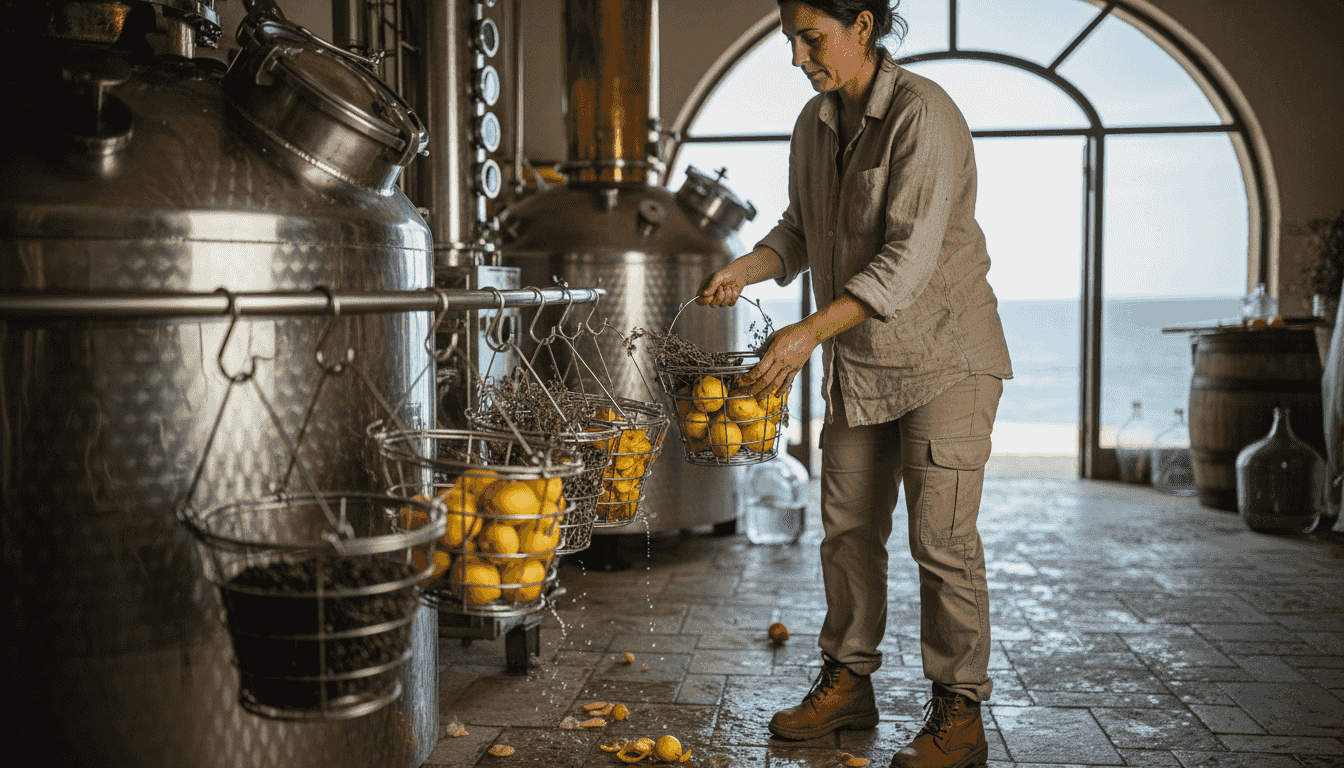
Temperature precision varies by method. Vapor distillation operates at moderate temperatures to protect aromas. Maceration occurs at room temperature initially, then distillation heat is carefully controlled. Vacuum distillation uses significantly lower temperatures than standard methods, sometimes operating below 100 degrees Fahrenheit.
Pro tip: When comparing gins, ask the producer which distillation method they used—vapor-distilled gins feel lighter and more botanical, while maceration-based gins taste richer and more integrated.
Here’s a comparison of the main gin distillation methods and their resulting flavor profiles:
| Method | Typical Flavor Result | Best Suitability |
|---|---|---|
| Vapor distillation | Light, distinct botanical | Delicate, citrus-heavy gins |
| Maceration distillation | Bold, integrated flavors | Spice-forward or herbaceous gins |
| Percolation | Layered, moderately intense | Blended, balanced botanicals |
| Vacuum distillation | Fresh, vibrant top notes | Heat-sensitive botanicals like cucumber |
| Infusion (after distillation) | Subtle, surface flavors | Gins with floral or fruit highlights |
Role of Botanicals in Mediterranean Gin
Botanicals are the soul of gin, transforming neutral alcohol into a complex, flavorful spirit. Mediterranean gins stand apart because they prioritize regional botanicals that reflect the area’s unique climate, terrain, and culinary traditions. These ingredients create the fresh, aromatic character that North American connoisseurs have grown to appreciate.
Juniper berries form the backbone of all gin, but Mediterranean producers layer additional botanicals to create depth. The key botanical ingredients include:
- Juniper berries: The defining flavor, providing pine and woody notes
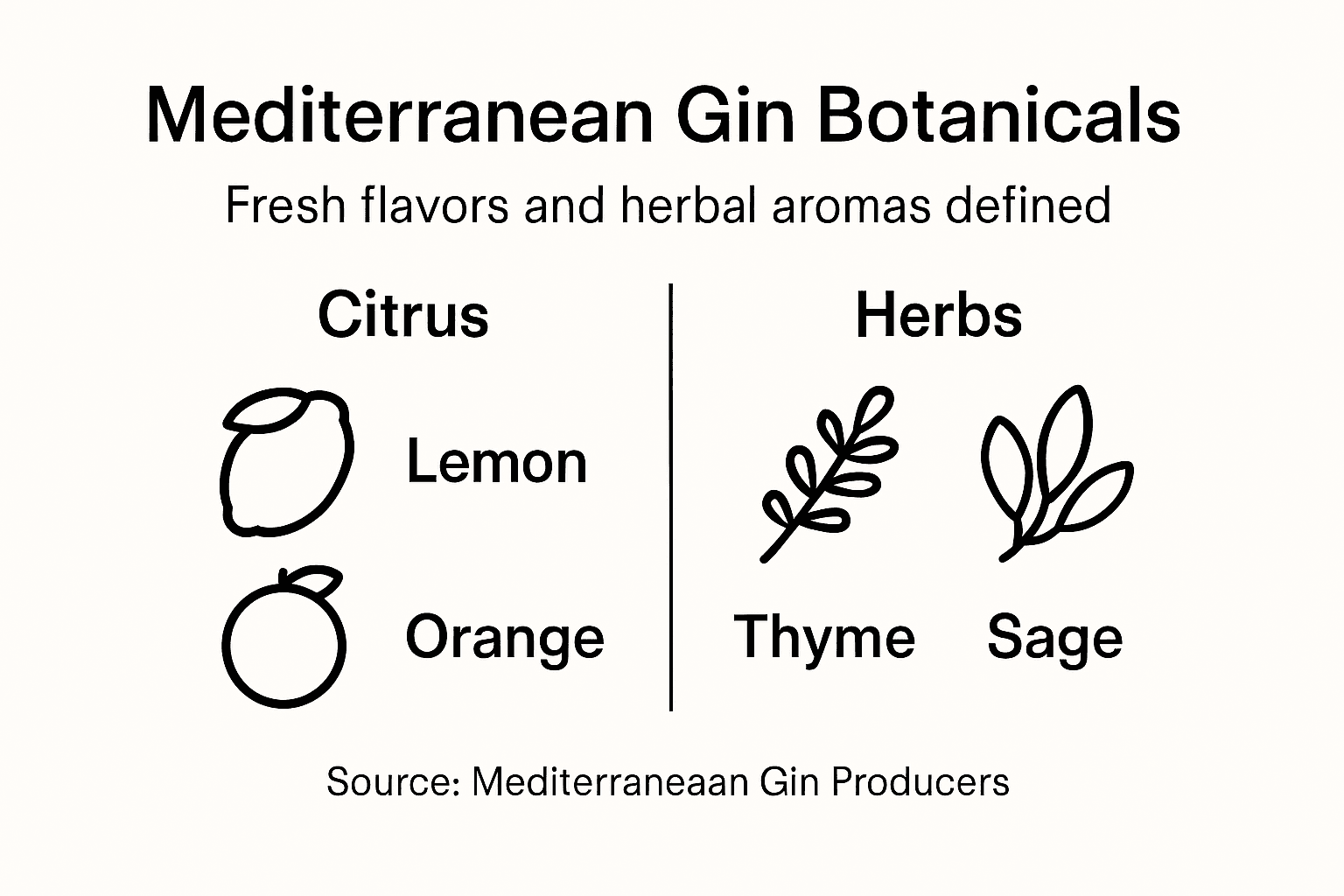
- Citrus peels: Lemon, orange, and bergamot for brightness and zest
- Herbs: Rosemary, thyme, and basil for earthy freshness
- Floral elements: Chamomile, lavender, and hibiscus for delicate complexity
- Spices: Coriander, cardamom, and black pepper for warmth
- Unique regional additions: Local fruits, flowers, and plants specific to Mediterranean regions
Mediterranean botanicals emphasize fresh, herbal, and aromatic notes that reflect the region’s biodiversity. Unlike gins from other areas, Mediterranean versions celebrate lighter, more delicate flavors rather than heavy spice profiles. This philosophy drives botanical selection and processing choices throughout distillation.
How botanicals are handled during distillation significantly impacts the final product. Crushing and macerating botanicals like juniper and coriander before redistillation improves essential oil extraction. Delicate botanicals such as cucumber or floral elements require gentler handling to prevent harsh, bitter flavors from developing.
Mediterranean distillers often employ selective infusion strategies. Robust botanicals endure longer maceration or higher heat, while sensitive ingredients are added late in the process or treated with cooler vacuum distillation techniques. This precision ensures each botanical contributes its intended flavor without overwhelming others.
The art of Mediterranean gin lies in balancing botanicals so each flavor shines without competing—harmony, not dominance.
Citrus plays an outsized role in Mediterranean gin flavor profiles. Sicilian lemons, Spanish oranges, and Greek citrus varieties add brightness that softens juniper’s intensity. The natural acidity and aromatic oils create refreshing qualities ideal for sipping neat or in cocktails.
Regional herbs differentiate Mediterranean gins from global competitors. Mountain sage, wild thyme, and local mint varieties add authenticity and terroir—the sense of place that makes each gin unique. These botanicals cannot be easily replicated elsewhere because they’re connected to specific microclimates.
The impact of botanical selection on Mediterranean flavor profiles determines whether a gin appeals to your palate. Some producers emphasize citrus brightness, others lean into floral elegance, while others balance spice and herb complexity. Understanding these choices helps you select gins matching your taste preferences.
Pro tip: When tasting Mediterranean gin, identify which botanicals you notice first—citrus, herb, or floral—then seek similar gins to discover which flavor profiles resonate most with you.
To clarify the influence of regional botanicals, here’s how Mediterranean choices affect gin style:
| Botanical Category | Common Mediterranean Example | Flavor Contribution |
|---|---|---|
| Citrus | Sicilian lemon peel | Brightness, zesty aroma |
| Herb | Wild thyme | Earthy, savory depth |
| Spice | Coriander seed | Warmth, subtle spice |
| Floral | Chamomile | Delicate sweetness |
| Regional Unique | Greek mastic | Piney, resinous nuance |
Artisanal Distillation and Craftsmanship
Artisanal gin distillation represents a deliberate choice to prioritize quality, tradition, and innovation over mass production. Small-batch distillers invest time and expertise into every stage, from botanical sourcing to final bottling. This approach defines Mediterranean gin producers who blend heritage techniques with modern precision.
Craft distillers employ several defining practices that set them apart:
- Small-batch production: Limited quantities allow close monitoring of each distillation cycle
- Careful botanical sourcing: Selecting premium, often locally-grown ingredients rather than commodity supplies
- Custom still design: Purpose-built copper stills optimized for specific botanical profiles
- Hands-on fermentation control: Managing temperature, timing, and chemical processes directly
- Traditional maceration methods: Allowing adequate steeping time for flavor extraction
- Quality-first mentality: Discarding inferior runs rather than blending them into final products
Modern artisanal distillation blends old and new approaches. Craft gin distillers blend traditional methods with scientific precision, using custom copper stills combined with laboratory equipment. This hybrid approach extracts delicate botanical flavors while ensuring consistency and quality across batches.
Expertise drives artisanal success. Distillers must understand botanical chemistry, fermentation science, and distillation physics. They decide which botanicals need extended maceration, which require gentle handling, and which benefit from modern vacuum techniques. This knowledge develops through years of experimentation and experience.
True craftsmanship lies in knowing when to respect tradition and when to embrace innovation—the balance defines exceptional gin.
Artisanal distillation requires carefully selecting raw materials and controlling fermentation/01%3A_Modules/1.16%3A_Distilled_Spirits) to produce spirits with unique flavor profiles. Small-batch distilleries innovate with botanical sourcing and infusion methods while maintaining regional heritage. Each producer develops signature approaches that cannot be easily replicated.
Mediterranean distillers emphasize sustainability and terroir—the expression of place through flavor. They source botanicals from specific regions, sometimes cultivating their own gardens to ensure consistency and quality. This commitment creates gin that reflects its geographic origin authentically.
Temperature control showcases the difference between mass production and craftsmanship. Industrial distilleries optimize for speed and yield, running hot and fast. Artisanal producers adjust temperatures deliberately, sometimes running distillations over 12-24 hours to coax out subtle flavors that faster methods would miss.
Quality control represents another hallmark of artisanal work. Small distillers taste every batch, making adjustments based on sensory evaluation. They may blend gins from different distillation runs or discard entire batches that don’t meet standards. This precision costs more but produces superior results.
Pro tip: When selecting an artisanal gin, research the distillery’s story and methods—producers who openly discuss their techniques and ingredient sourcing typically demonstrate the craftsmanship reflected in the bottle.
Common Mistakes and Quality Impacts
Distillation errors directly translate to inferior gin. Even experienced distillers know that small missteps during fermentation, heating, or botanical handling can ruin an entire batch. Understanding these mistakes helps you appreciate why quality gin commands premium prices.
The most common distillation errors include:
- Improper heating: Too much heat causes thermal decomposition and burnt flavors
- Poor parameter control: Inadequate management of reflux ratio, pressure, and temperature profiles
- Incorrect botanical cuts: Mishandling the transition between heads, hearts, and tails sections
- Inadequate fermentation control: Inconsistent temperatures leading to off-flavors
- Overheating botanicals: Destroying delicate essential oils and creating harsh notes
- Using inappropriate quantities: Adding too much or too little botanical material
- Equipment contamination: Residue or mineral buildup affecting flavor
Improper heating and poor distillation parameter control cause off-flavors, impurities, and decreased yield. Thermal decomposition occurs when spirits reach temperatures that break down desired compounds. This creates burnt, acrid tastes that cannot be recovered or masked.
The heads and tails sections contain harsh compounds and undesirable flavors. Distillers must identify exactly when the desirable “hearts” section begins and ends. Cutting too early loses flavor; cutting too late introduces bitter, solvent-like notes that compromise the entire batch.
One minute too long at high temperature can transform a promising batch into undrinkable spirit—precision matters absolutely.
Mistakes like incorrect cuts, overheating, or inappropriate botanical quantities lead to undesirable flavors or cloudy spirits. Poor botanical handling destroys the delicate oils that create gin’s character. Using too much botanical material creates overpowering, one-dimensional flavor. Too little produces thin, underwhelming results.
Equipment quality directly impacts results. Copper stills conduct heat evenly; inferior materials create hot spots causing localized burning. Dirty equipment introduces contamination. Scale buildup changes how vapor condenses. These seemingly minor issues compound into noticeably inferior gin.
Fermentation mistakes affect the base spirit before distillation even begins. Inconsistent temperature control during fermentation produces unwanted compounds that distillation cannot fully remove. Contaminated yeast or poor sanitation introduce off-flavors at the foundation.
Mediterranean producers minimize these errors through experience and discipline. They use proven equipment, control temperatures obsessively, taste constantly, and discard batches that don’t meet standards. This unforgiving approach costs money but ensures consistency and quality.
Storage after distillation matters too. Exposure to light degrades color and flavor. Improper bottling allows oxidation. These post-distillation mistakes erase all the careful work done earlier.
Pro tip: Check storage conditions when purchasing artisanal gin—bottles stored in cool, dark conditions taste noticeably better than those exposed to light and heat in retail displays.
Experience the True Art of Mediterranean Gin Distillation
The journey through gin distillation reveals how delicate temperature control and expert botanical selection define the final spirit’s character. If you appreciate the craftsmanship behind vapor distillation, maceration, and the unique influence of Sicilian citrus and zibibbo grapes, you understand the challenge of finding a gin that truly reflects this balance. Many gins miss the mark by losing freshness or offering unbalanced flavors.
Discover the solution with Gin Niro, an artisanal Mediterranean-style gin that captures this essence flawlessly. Carefully crafted using traditional methods and premium regional botanicals, Gin Niro offers a flavor profile that resonates with sophisticated palates seeking authenticity and complexity. Experience the harmony of citrus brightness, aromatic herbs, and the subtle sweetness of zibibbo grapes all layered through expert distillation.
Ready to taste craftsmanship perfected by generations of Mediterranean distillers Choose Gin Niro for an unparalleled sensory journey in every 70cl bottle. Visit our website now to explore detailed product information and order your premium gin today.
Learn more about the gin distillation process that sets Mediterranean spirits apart and elevate your collection with a gin designed for true connoisseurs.
Frequently Asked Questions
What is the gin distillation process?
Gin distillation involves separating ethanol from water and botanicals to create a concentrated alcoholic spirit. It typically includes initial distillation, botanical selection, infusion or re-distillation, and final purification.
How do different distillation methods impact the flavor of gin?
Different methods, such as vapor distillation and maceration, create distinct flavor profiles. Vapor distillation yields lighter, more delicate flavors, while maceration produces bolder, more integrated flavors by allowing botanicals to steep in alcohol before distillation.
What role do botanicals play in gin?
Botanicals are essential in defining gin’s character, with juniper berries as the backbone flavor. Other ingredients like citrus peels, herbs, and spices add complexity and depth to the spirit, particularly in Mediterranean gins that emphasize fresh and aromatic profiles.
How can I tell if a gin is artisanal or mass-produced?
Artisanal gin is typically produced in small batches, with a focus on quality, responsible sourcing, and craftsmanship. Look for producers who discuss their botanical selection, distillation techniques, and the use of traditional methods in their production process.

