

Most cocktail aficionados are surprised to learn that American gin consumption has surged by more than thirty percent in the last decade, driven by craft gin’s aromatic complexity and global flavor trends. Mediterranean botanicals now redefine the boundaries of tradition for those who crave more than just the classic London Dry profile. This guide gives luxury enthusiasts a clear path to mastering artisanal gin selection and Mediterranean-inspired cocktail sophistication.
Table of Contents
- Gin Defined: Core Spirit and Misconceptions
- Key Gin Styles Used in Cocktails
- Mediterranean Gin and Its Unique Botanicals
- Flavor Profiles: How Gin Elevates Mixology
- Artisanal Gin Benefits for Premium Cocktails
- Mistakes to Avoid When Using Gin
Key Takeaways
| Point | Details |
|---|---|
| Gin’s Unique Flavor Profile | Gin is characterized by a juniper-forward flavor profile, which varies significantly across different styles due to diverse botanical ingredients. |
| Artisanal Gin’s Impact on Cocktails | Artisanal gins elevate cocktails by offering unique botanical compositions and exceptional quality, allowing for intricate flavor narratives. |
| Understanding Gin Styles | Each gin style brings distinct characteristics essential for crafting cocktails; understanding these can enhance taste and balance. |
| Common Mistakes to Avoid | Choosing the wrong gin style or using low-quality mixers can lead to subpar cocktails. Always taste gin neat for better ingredient selection. |
Gin Defined: Core Spirit and Misconceptions
Gin represents a complex and nuanced spirit with a rich historical lineage, fundamentally characterized by its juniper-forward flavor profile. Originating in the Netherlands, this distilled alcohol has transformed from medicinal tincture to global cocktail staple, embodying a sophisticated botanical journey that extends far beyond simple alcohol production.
At its core, gin distinguishes itself through a precise production methodology. Distilled from neutral grain spirits, the liquid undergoes redistillation with carefully selected botanicals, with juniper berries serving as the essential, legally mandated flavoring ingredient. Modern gin variations showcase incredible diversity - from traditional London Dry styles emphasizing juniper’s crisp profile to contemporary craft expressions incorporating unique regional ingredients like Mediterranean citrus or Alpine herbs.
Common misconceptions frequently surround gin, with many consumers conflating it with vodka or misunderstanding its complex preparation. Unlike vodka’s neutral character, gin requires a pronounced botanical character, with juniper acting as the mandatory defining element. Each gin represents a unique botanical fingerprint, reflecting the distiller’s artistic vision and regional ingredient availability.
Pro tip: When exploring gin varieties, start by understanding the juniper intensity and gradually explore how different botanical combinations transform the spirit’s fundamental character.
Key Gin Styles Used in Cocktails
Cocktail enthusiasts recognize that different gin styles dramatically transform drink experiences, with each variety offering unique flavor profiles and mixological potential. Across several classic gin styles, mixologists have developed nuanced approaches to crafting extraordinary Mediterranean-inspired cocktails that highlight regional botanical characteristics.
The primary gin styles critical for Mediterranean cocktail crafting include London Dry Gin, the most traditional and juniper-forward option, and Plymouth Gin, which offers a slightly softer, more fruit-forward profile. More adventurous styles like Old Tom Gin bring historical sweetness, while contemporary New Western Gins provide innovative botanical expressions that can incorporate Mediterranean ingredients like rosemary, thyme, or citrus peels. These variations allow bartenders to create cocktails that reflect both classic techniques and modern creative interpretations.
Each gin style brings distinct characteristics to cocktails. London Dry Gin provides a crisp, clean base perfect for martinis and gin and tonics. Plymouth Gin works beautifully in more complex Mediterranean cocktails, offering subtle fruity undertones. Contemporary gin styles like New Western allow for unprecedented creativity, enabling mixologists to craft drinks that tell a story of regional ingredients and cultural traditions.
Here’s a comparative look at major gin styles and their ideal cocktail uses:
| Gin Style | Key Flavor Traits | Ideal Cocktail Applications |
|---|---|---|
| London Dry Gin | Bold juniper, dry finish | Martini, Gin & Tonic |
| Plymouth Gin | Subtle fruit, softer spice | Gimlet, Mediterranean Spritz |
| Old Tom Gin | Lightly sweet, round | Tom Collins, Martinez |
| New Western Gin | Unique botanicals, citrus | Modern Mediterranean cocktails |
Pro tip: Experiment with different gin styles to understand how botanical variations can transform the fundamental character of your Mediterranean cocktails.
Mediterranean Gin and Its Unique Botanicals
Mediterranean gin represents a revolutionary approach to spirit production, transforming traditional distillation through an intimate connection with regional landscapes and culinary traditions. Mediterranean botanical profiles elevate gin from a simple alcoholic beverage to a sensory exploration of Mediterranean terroir, incorporating herbs, fruits, and aromatic plants that capture the essence of coastal and inland regions.
The unique character of Mediterranean gins emerges through carefully selected endemic botanicals that distinguish these spirits from traditional gin styles. Herbs like rosemary, thyme, and basil intertwine with citrus peels and unexpected ingredients such as Arbequina olives, creating complex flavor profiles that reflect the region’s diverse ecosystems. Herbal and aromatic Mediterranean botanicals transform gin into a liquid narrative of landscape and culture, offering mixologists and enthusiasts a spirit that goes beyond conventional flavor boundaries.
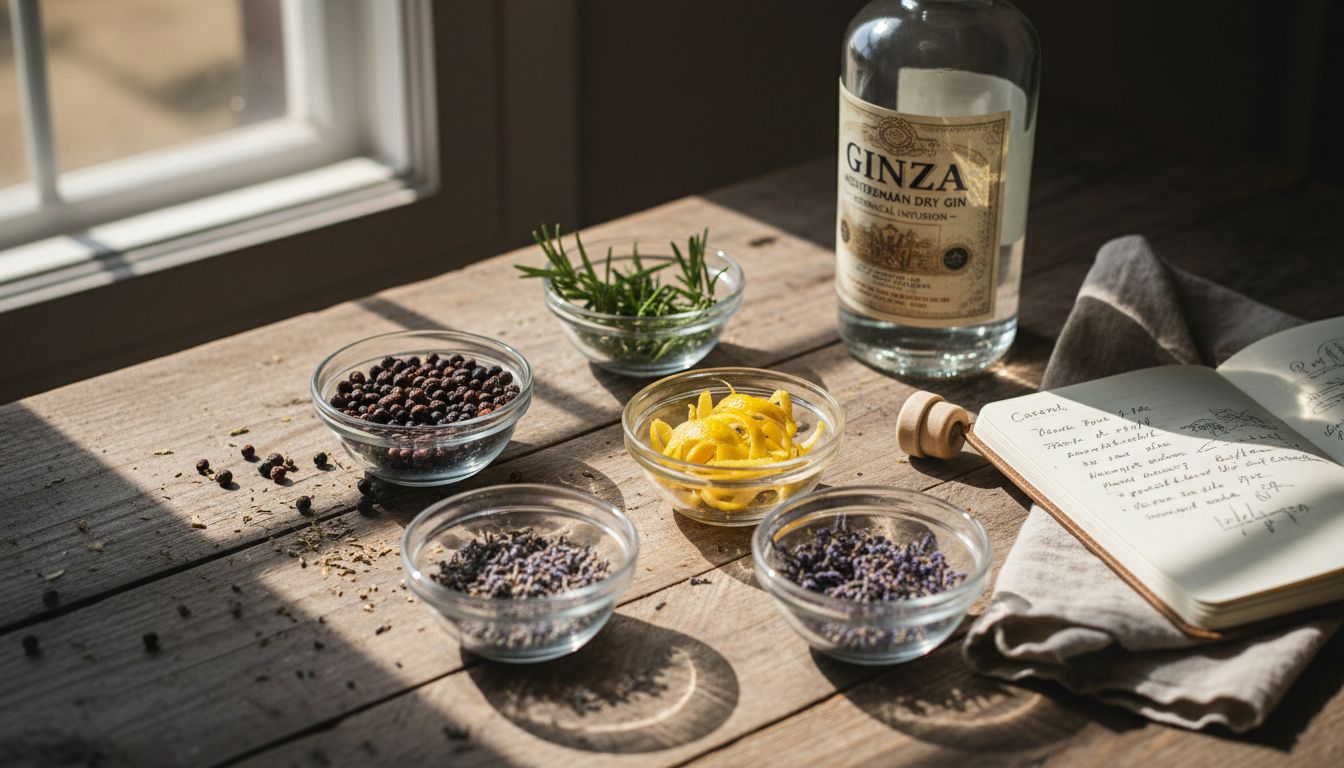
Spanish and Italian distillers have become particularly innovative, developing gin styles that showcase local ingredients with unprecedented creativity. These Mediterranean gins often feature bright, savory notes that complement regional cuisines, creating a harmonious bridge between traditional distillation techniques and contemporary gastronomic experiences. The result is a spirit that speaks directly of its origin - complex, nuanced, and deeply rooted in Mediterranean agricultural traditions.
This table summarizes how Mediterranean botanicals shape gin’s character:
| Botanical | Typical Flavor Contribution | Example Region |
|---|---|---|
| Rosemary | Herbal, pine, savory | Spain, Italy |
| Thyme | Earthy, resinous, aromatic | Provence, Greece |
| Basil | Sweet, peppery, fresh | Italy |
| Citrus Peels | Bright, zesty, refreshing | Spain, Southern France |
| Arbequina Olive | Salty, rich, umami | Catalonia, Spain |
Pro tip: When exploring Mediterranean gins, focus on understanding the specific regional botanicals and how they contribute to the spirit’s unique flavor profile.
Flavor Profiles: How Gin Elevates Mixology
Mixology is an art form where gin serves as a transformative ingredient, capable of elevating cocktails from simple mixed drinks to sophisticated sensory experiences. Famous gin-based cocktails demonstrate how different gin styles can fundamentally reshape a drink’s character, introducing complexity, depth, and nuanced flavor interactions that distinguish exceptional beverages.
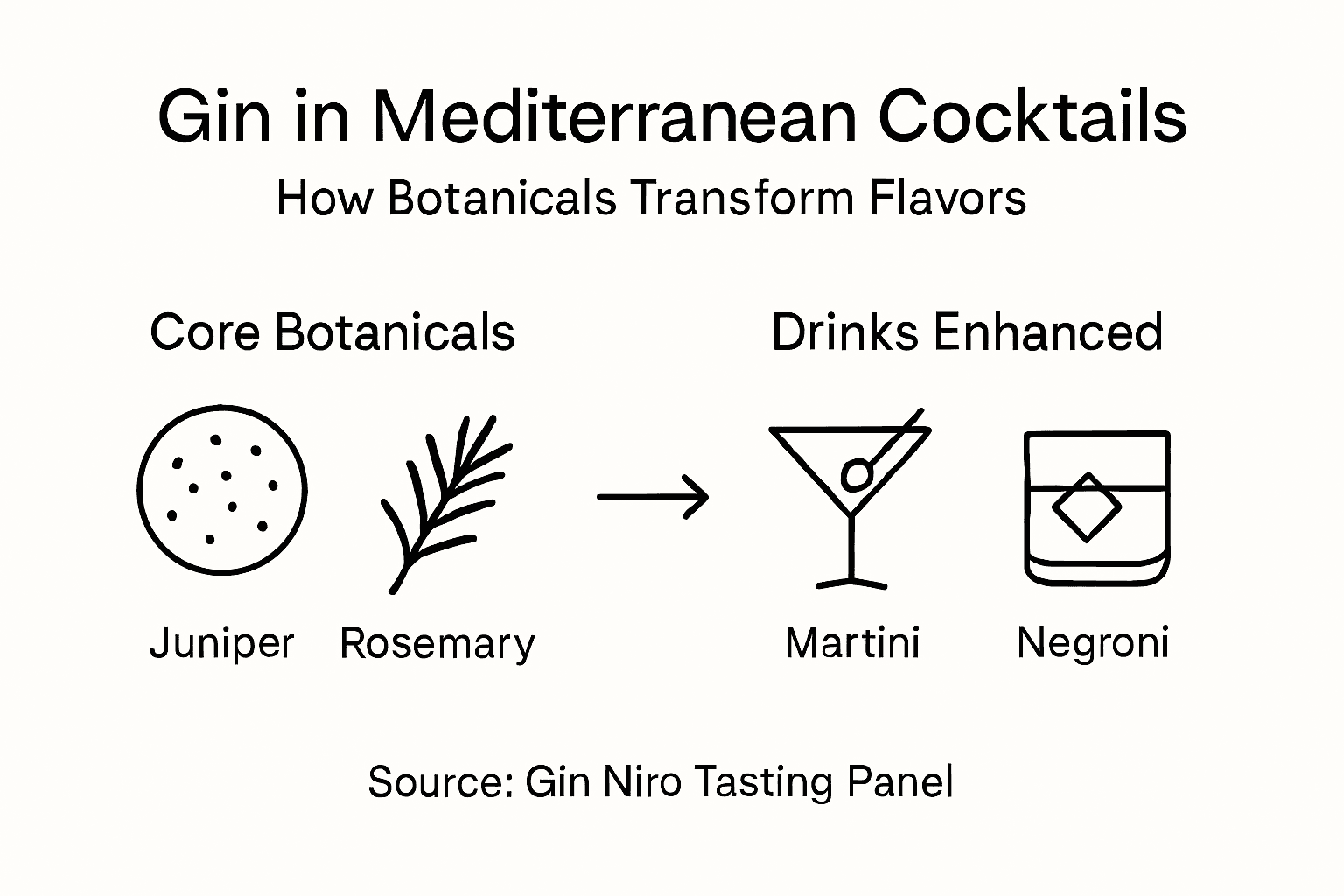
The flavor profile of gin acts as a critical foundation for cocktail creation, with each botanical combination offering unique sensory dimensions. Some gins provide crisp, juniper-forward notes that cut through sweet mixers, while others introduce herbal, citrus, or spice undertones that can dramatically alter a cocktail’s entire personality. Mediterranean-style gins, in particular, bring extraordinary complexity through regional botanicals like rosemary, thyme, and citrus, enabling mixologists to craft drinks that are simultaneously traditional and innovative.
Understanding gin’s flavor architecture allows bartenders to create intentional, balanced cocktails that highlight specific botanical characteristics. A gin with prominent Mediterranean herbs might shine in a martini that emphasizes its natural aromatics, while a more neutral gin could provide a clean canvas for more assertive mixers. This nuanced approach transforms cocktail preparation from simple ingredient combination to a sophisticated culinary art form that respects both tradition and creative expression.
Pro tip: Experiment with different gin styles side by side to develop a sophisticated understanding of how botanical variations influence cocktail composition.
Artisanal Gin Benefits for Premium Cocktails
Artisanal gin represents the pinnacle of spirits craftsmanship, transforming cocktail experiences through meticulous production and extraordinary botanical selections. Premium gin production techniques elevate mixology from simple drink preparation to a sophisticated culinary art form, offering bartenders and enthusiasts an unparalleled palette of flavor possibilities.
The distinctive characteristics of artisanal gin emerge from its carefully curated production process. Unlike mass-produced spirits, these handcrafted gins feature base spirits of exceptional quality and complex botanical blends that reflect regional terroir and distiller expertise. By introducing precise, carefully balanced ingredients, artisanal gins create a foundation for cocktails that possess remarkable depth, nuanced aromatics, and consistent flavor profiles that simply cannot be replicated by industrial manufacturing methods.
Handcrafted gin production enables mixologists to access spirits with extraordinary sensory dimensions. Each bottle represents a unique expression of botanical creativity, allowing professionals to construct cocktails that tell intricate flavor stories. Mediterranean artisanal gins, in particular, showcase how regional ingredients can transform traditional spirit-making, incorporating herbs, citrus, and aromatic plants that capture the essence of their geographic origins.
Pro tip: Select artisanal gins from small-batch producers who openly share their botanical sourcing and distillation methods to ensure exceptional cocktail quality.
Mistakes to Avoid When Using Gin
Crafting exceptional Mediterranean cocktails requires understanding the nuanced world of gin and avoiding common pitfalls that can compromise a drink’s delicate flavor profile. Gin mixing techniques demand precision and thoughtful ingredient selection to ensure the spirit’s botanical complexity shines through.
One critical mistake many amateur mixologists make is selecting an inappropriate gin style for their cocktail. Mediterranean cocktails require careful consideration of the gin’s botanical composition. London Dry gins with prominent juniper notes might overwhelm delicate herbal cocktails, while more nuanced Mediterranean-style gins with rosemary, thyme, or citrus undertones can create harmonious flavor interactions. Understanding each gin’s unique flavor architecture is crucial for creating balanced, sophisticated drinks.
Additional errors can derail even the most promising cocktail preparation. Using low-quality mixers that clash with gin’s botanical profile, over-garnishing which masks subtle flavors, or serving at incorrect temperatures can transform a potentially exceptional drink into a mediocre experience. Precise ice selection, appropriate glassware, and understanding how different botanical profiles interact are essential skills for creating memorable Mediterranean gin cocktails.
Pro tip: Always taste your gin neat before mixing to understand its unique botanical character and how it might interact with other cocktail ingredients.
Discover How Gin Niro Elevates Mediterranean Cocktails to New Heights
Crafting a perfect Mediterranean cocktail means mastering the delicate balance of botanicals and flavor profiles. This article highlighted common challenges such as choosing the right gin style and understanding the role of regional botanicals like rosemary and Sicilian citrus. For cocktail lovers seeking an artisanal gin that embodies these unique Mediterranean characteristics, Gin Niro offers a premium solution. With carefully distilled ingredients including aromatic zibibbo grapes and vibrant Sicilian citrus, this gin delivers a bold yet balanced flavor that enhances every cocktail moment.
Explore the captivating world of Mediterranean gin on our Homepage – Gin Niro and experience firsthand how masterful distillation and regional ingredients transform drinks into unforgettable sensory journeys. Don’t miss the chance to elevate your cocktail game with Gin Niro. Visit https://ginniro.it now to learn more and order your own bottle of this distinctively crafted spirit.
Frequently Asked Questions
What makes gin essential for Mediterranean cocktails?
Gin’s unique botanical profile, particularly with ingredients like rosemary, thyme, and citrus, enhances the flavor complexity of Mediterranean cocktails, allowing them to reflect regional cuisines and traditions.
How do different gin styles affect cocktail flavor?
Different gin styles offer varying flavor profiles; for example, London Dry Gin is bold and juniper-forward, while Plymouth Gin is softer and fruitier, influencing how they mix with other ingredients in cocktails.
What are some common misconceptions about gin?
Many people misunderstand gin as being similar to vodka. However, gin necessitates a pronounced botanical character, with juniper being essential, distinguishing it from vodka’s neutral profile.
Why is artisanal gin preferred in cocktail making?
Artisanal gin is crafted with meticulous attention to botanical selection and production techniques, providing bartenders with unique flavors and depth that enhance the quality of cocktails compared to mass-produced options.


