

In the world of spirits, Gin and Tonic has established itself as a symbol of sophistication for over 60% of premium cocktail enthusiasts in Europe . The search for new sensory experiences is driving more and more connoisseurs to experiment with Mediterranean pairings, capable of enhancing the unique character of each gin. You'll discover how ingredients like rosemary, citrus zest, and basil transform a simple Gin and Tonic into an unprecedented aromatic journey.
Index
- What are gin and tonic pairings?
- Types of pairings: classic and Mediterranean
- How to choose gin, tonic, and garnish
- Food pairings with gin and tonic
- Common mistakes and expert advice
Key Points
| Point | Details |
|---|---|
| Gin and Tonic Pairings | Gin and tonic pairings enhance the botanical notes of gin, offering refined sensory experiences. |
| Types of Pairings | Pairings can be classic, with dry gins and neutral tonic, or Mediterranean, with herbs and flavored tonics. |
| Choice of Ingredients | The quality of the gin, tonic, and garnish is essential for a balanced and tasty cocktail. |
| Common Mistakes | It's important to pay attention to details like the quality of the ice and the ratio of gin to tonic to avoid compromising on taste. |
What are gin and tonic pairings?
Gin and tonic pairings represent a sophisticated art that highlights the botanical notes of Mediterranean spirits, creating flavor combinations that enhance the cocktail's sensorial experience. Originally conceived as a medical remedy in the 18th century , gin and tonic has evolved into a symbol of elegance and conviviality.
The essence of gin and tonic pairings lies in the ability to expertly combine gin with ingredients that enhance its aromatic characteristics. Each gin has a unique botanical profile, composed of herbs, spices, citrus, and botanicals that define its personality. Pairings aim to enhance these flavors, creating a harmonious dialogue between gin, tonic water, and complementary ingredients.
There are several strategies for creating effective pairings. Some experts favor the aromatic harmony approach, choosing ingredients that echo the notes already present in the gin. Others opt for complementarity , selecting elements that contrast and balance the spirit's flavors. For example, a Mediterranean gin with citrus notes can be enriched with a twist of fresh rosemary or grapefruit zest, creating a combination that enhances the product's complexity.
Pro tip: Always experiment with small quantities and pay attention to the balance of flavors, using quality tonic water and fresh ingredients to maximize the tasting experience.
Types of pairings: classic and Mediterranean
The world of gin and tonic pairings can be divided into two main categories that reflect different traditions and styles: classic and Mediterranean . These two approaches represent two different mixology philosophies, each with unique and fascinating characteristics that enhance the properties of gin.
Classic pairings are characterized by their simplicity and elegance. Traditionally, they feature English dry gins, paired with traditional tonic water and garnished with citrus fruits like lemon or lime. The philosophy behind these pairings emphasizes the purity and clarity of the ingredients, with gin playing a central and predominant role. Garnishes are minimal and functional, enhancing the spirit's botanical notes.
Conversely, Mediterranean pairings represent a more contemporary and regional evolution of the cocktail. These pairings are characterized by the use of gins enriched with botanicals typical of the Mediterranean basin: rosemary, basil, myrtle, and citrus peel. The tonics chosen are often flavored, creating a complex and layered dialogue with the gins. The goal is to create a taste experience that immediately evokes the aromas and flavors of the Mediterranean region.
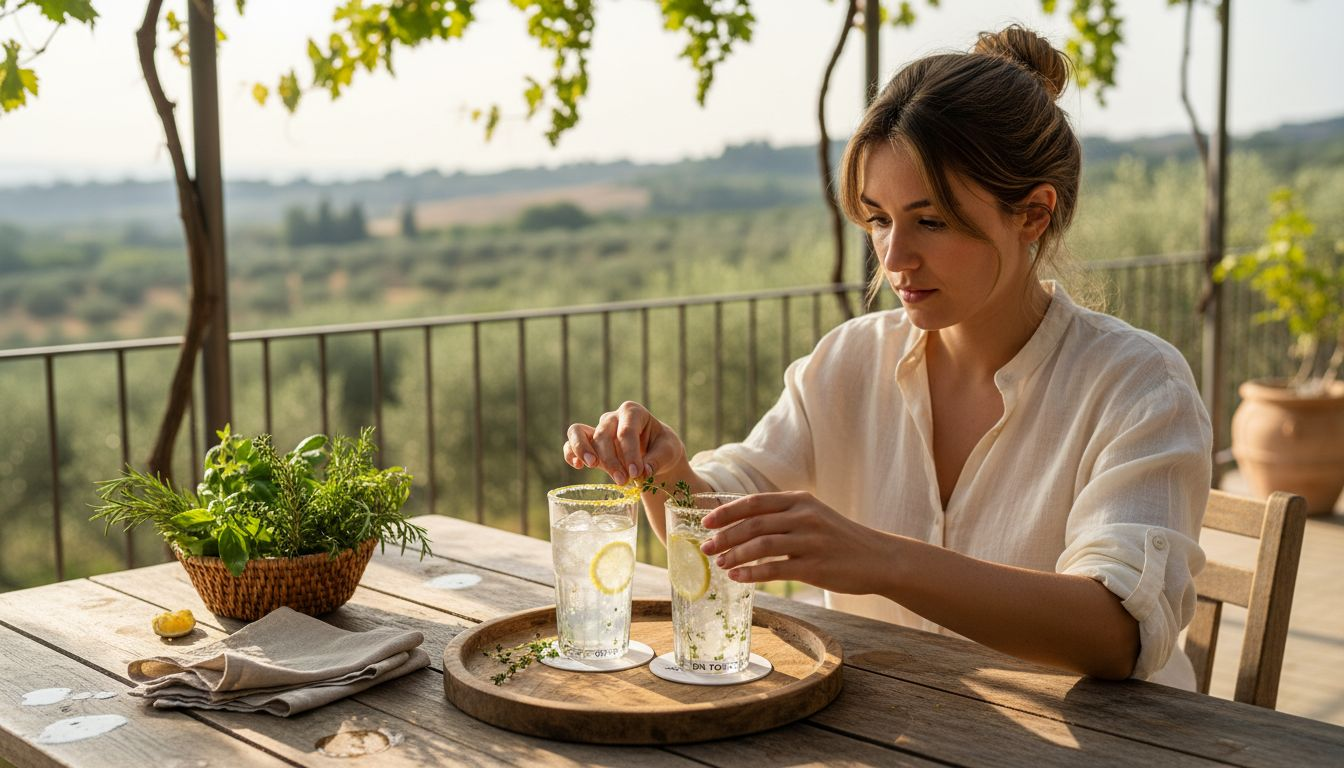
Pro tip: To create the perfect Mediterranean pairing, always choose seasonal and guaranteed-fresh ingredients, favoring local aromatic herbs and freshly picked citrus fruits.
Here's a comparative overview of classic and Mediterranean Gin and Tonic pairings:
| Characteristic | Classic | Mediterranean |
|---|---|---|
| Type of gin | Dry English | Mediterranean with herbs and citrus fruits |
| Ideal tonic | Traditional, neutral | Flavored, with local notes |
| Typical garnish | Lemon or lime | Rosemary, basil, citrus zest |
| Effect on the cocktail | Simplicity and elegance | Rich and territorial aromatic experience |
How to choose gin, tonic, and garnish
Choosing the perfect ingredients for a gin and tonic requires attention and an understanding of the characteristics of each component. Careful selection of gin, tonic, and garnish determines the overall quality of the cocktail, transforming a simple drink into a refined sensory experience.
When choosing a gin , it's crucial to consider its aromatic profile. Mediterranean gins are distinguished by notes of herbs, citrus, and spices, while more classic gins favor more austere botanicals like juniper and coriander. The alcohol content, generally between 40 and 45% ABV, influences the cocktail's structure and intensity. It's best to favor artisanal gins that reflect a specific region or production philosophy.
When it comes to tonic , the crucial element is the ability to enhance and balance the gin's notes. Premium tonics are characterized by the use of quality water, natural quinine, and controlled sugars. Some flavored versions can introduce notes of citrus, herbs, or spices that interact with the gin's botanicals, creating surprising and complex pairings.
The garnish is the final touch that completes the experience. It's not just a decorative element, but a true complement that can alter the olfactory and flavor perception of the cocktail. Aromatic herbs like rosemary and basil, citrus zest, berries, or spices can create contrasts or harmonies that enhance the complexity of the gin and tonic.
Pro tip: Always experiment by mixing gins from different sources with different tonics and garnishes, recording your impressions to develop a refined personal taste.
Food pairings with gin and tonic
Gin and tonic lends itself to incredible food pairings that go far beyond a simple aperitif. Its versatility allows for surprising tasting experiences, playing on the principles of contrast and harmony between the cocktail and the dishes.
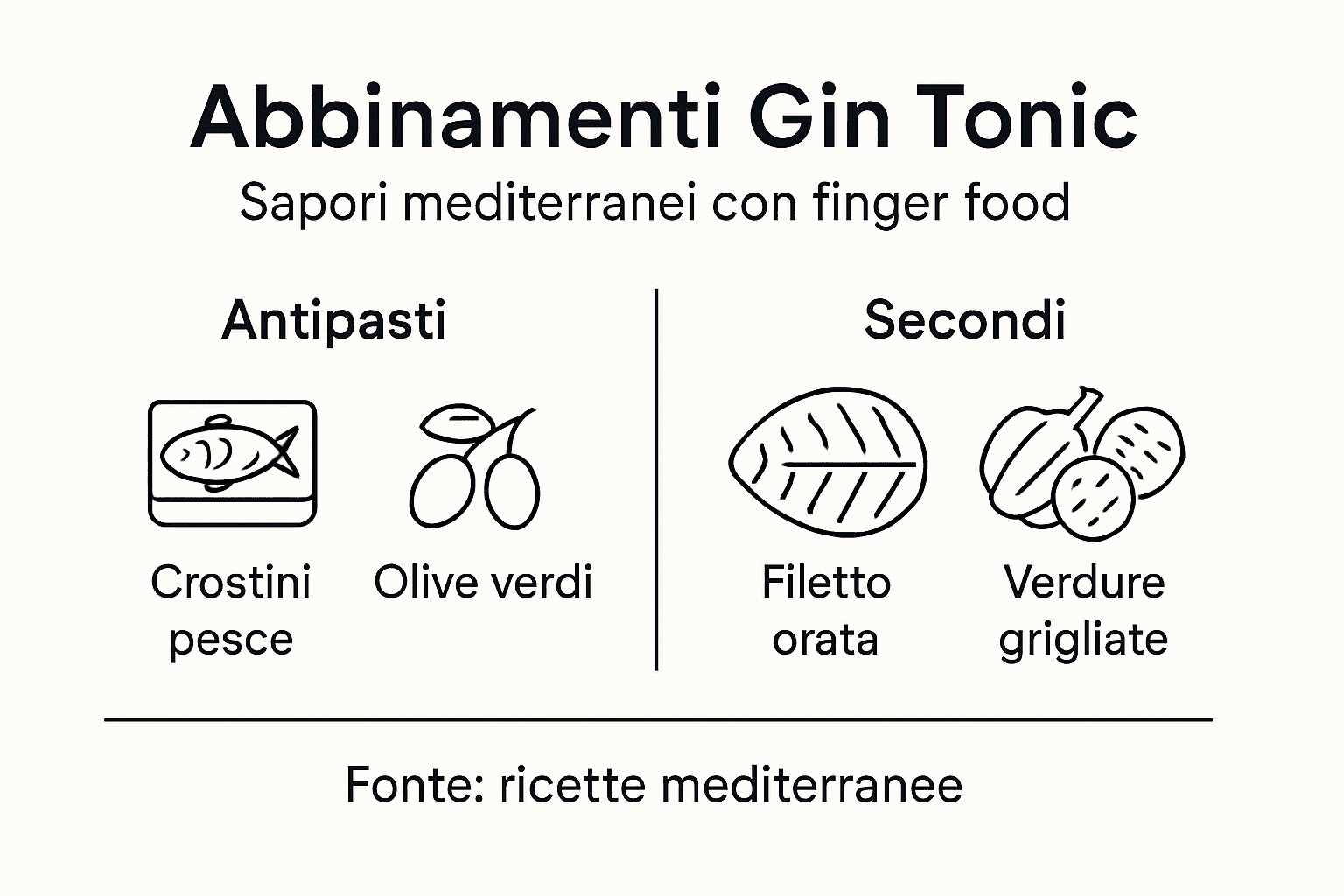
Gin and tonic is a natural accompaniment in Mediterranean finger foods . Light appetizers like marinated fish canapés, crostini with tuna mousse, or seafood carpaccio are a wonderful accompaniment. The cocktail's citrus and botanical notes enhance the freshness of the dishes, creating a refined flavorful dialogue. Particularly interesting are pairings with raw fish dishes, where the lightness of the gin complements the delicate flavors.
As for main courses , gin and tonic becomes an unexpected companion for fish, shellfish, and molluscs. Grilled white fish, marinated shrimp, or tuna carpaccio find the perfect complement in this cocktail. The juniper notes and botanical nuances blend wonderfully with the seafood flavors, creating a surprising flavor balance.
In desserts , gin and tonic can play a starring role. Citrus sorbets, elegant fruit salads, or fresh fruit desserts can find a precious ally in the cocktail. The citrus and spicy notes of gin blend with the sweetness of the desserts, creating contrasts and unusual harmonies that surprise the palate.
Pro tip: Always experiment with unusual pairings, prioritizing the quality of the ingredients and paying attention to the balance between the cocktail and the courses.
Here are some recommended food pairings with Gin and Tonic:
| Flow rate | Best match | Reason |
|---|---|---|
| Finger food | Canapés with marinated fish | Enhances freshness and citrus notes |
| Second courses | Grilled white fish | Gently balances flavors |
| Dessert | Citrus sorbet | Contrasts sweetness and enhances aromas |
Common mistakes and expert advice
The main mistakes in making gin and tonics often arise from overlooking seemingly minor details that actually profoundly impact the overall quality of the cocktail. Understanding these aspects is essential to transforming a banal preparation into a refined taste experience.
One of the most common technical errors involves managing ice and proportions. Many amateur bartenders use poor-quality or fragmented ice, which melts quickly and affects the flavor. The ideal ratio of gin to tonic should be around 1:3 or 1:4, but this can vary depending on the strength and specific characteristics of the gin used. It's also crucial to add the tonic slowly, to preserve the bubbles and maintain the aromatic structure.
Another critical aspect is the choice and management of the garnish . An unsuitable garnish can completely overwhelm the gin's aromas, erasing its distinctive botanical complexity. Expert techniques suggest selecting ingredients that interact with the spirit's notes: a sprig of rosemary for Mediterranean gins, a grapefruit peel for drier gins, a sprig of lavender for floral gins. The garnish isn't a decorative element, but an integral part of the sensory experience.
Finally, an often overlooked aspect is the temperature of the ingredients . A perfect gin and tonic requires each component to be at the right temperature: well-chilled gin and tonic, quality ice, and a glass that's ideally chilled beforehand. The choice of glass itself becomes strategic: a balloon glass allows you to better appreciate the aromas, while a glass that's too narrow can limit the olfactory perception.
Pro tip: Always keep gin and tonic in the refrigerator and use pure ice, preferably spring water, to preserve the cocktail's aromatic nuances.
Discover How to Enhance Mediterranean Flavors with Gin Niro
Gin and tonic pairings demonstrate the challenge of finding the right balance between botanicals and freshness to transform every cocktail into an unforgettable sensory experience. If you want to enhance the citrus notes and Mediterranean aromas typical of gin, it's essential to choose a product that showcases artisanal tradition and the authentic aromas of the region. Gin Niro was born precisely from this need, offering a gin in which aromatic Zibibbo grapes and Sicilian citrus fruits blend to create a unique and captivating character.
Don't let your gin and tonic remain a simple drink, transform it into a journey through Mediterranean flavors. Visit our Gin Niro homepage to discover our artisanal gin and learn more about the history and distillation techniques that make Gin Niro such an exclusive product. Shop now at https://ginniro.it and start creating sophisticated and surprising pairings. Explore our dedicated section for suggestions on the best cocktails and pairings to become a true Mediterranean gin connoisseur.
Frequently Asked Questions
What are the differences between classic and Mediterranean gin and tonic?
Classic pairings are based on English dry gins with traditional tonic water and citrus fruits such as lemon or lime, while Mediterranean pairings use gins enriched with local botanicals and flavoured tonic waters that enhance the flavours of the area.
How do I choose the right gin for my gin and tonic?
It's important to consider the gin's aromatic profile. Opt for Mediterranean gins with herbal and citrus notes or more classic gins with botanicals like juniper and coriander, always opting for quality artisanal gins.
What is the ideal ratio of gin to tonic?
The recommended ratio of gin to tonic is generally 1:3 or 1:4, but can vary depending on the strength and specific characteristics of the gin used.
How can I pair gin and tonic with food?
Gin and tonic pairs well with light finger foods like marinated fish canapés and fish-based main courses. It can also complement desserts like citrus sorbets, thanks to its fresh and aromatic notes.


