

Few spirits capture the imagination quite like gin, whose roots stretch from ancient European monasteries to the vibrant cocktail bars of today. The journey began with juniper berries valued for their medicinal properties in the Low Countries, later refined by British and Mediterranean cultures into today’s diverse expressions. For those drawn to Sicilian and Mediterranean spirits, exploring gin’s evolution unveils a complex world of regional flavors, artisanal techniques, and cultural symbolism waiting to be discovered.
Table of Contents
- Gin’s Evolution: From Medicine To Icon
- Major Gin Styles And Mediterranean Variations
- Key Botanicals And Distillation Methods
- Gin’s Influence On Global Cocktail Culture
- Artisanal Craftsmanship And Modern Trends
- Cultural Symbolism Of Gin Today
Key Takeaways
| Point | Details |
|---|---|
| Gin’s Transformation | Originating as a medicinal tonic, gin evolved into a globally celebrated spirit, reflecting cultural shifts and social drinking trends. |
| Diverse Styles | Regional variations of gin emphasize local botanicals and production techniques, resulting in a wide array of distinctive flavors. |
| Distillation Techniques | Two primary methods, steep infusion and vapor infusion, shape gin’s flavor profiles, influencing the spirit’s complexity and character. |
| Cultural Symbolism | Today, gin symbolizes sophistication and social connection, serving as a reflection of historical transitions and cultural identity. |
Gin’s Evolution: From Medicine To Icon
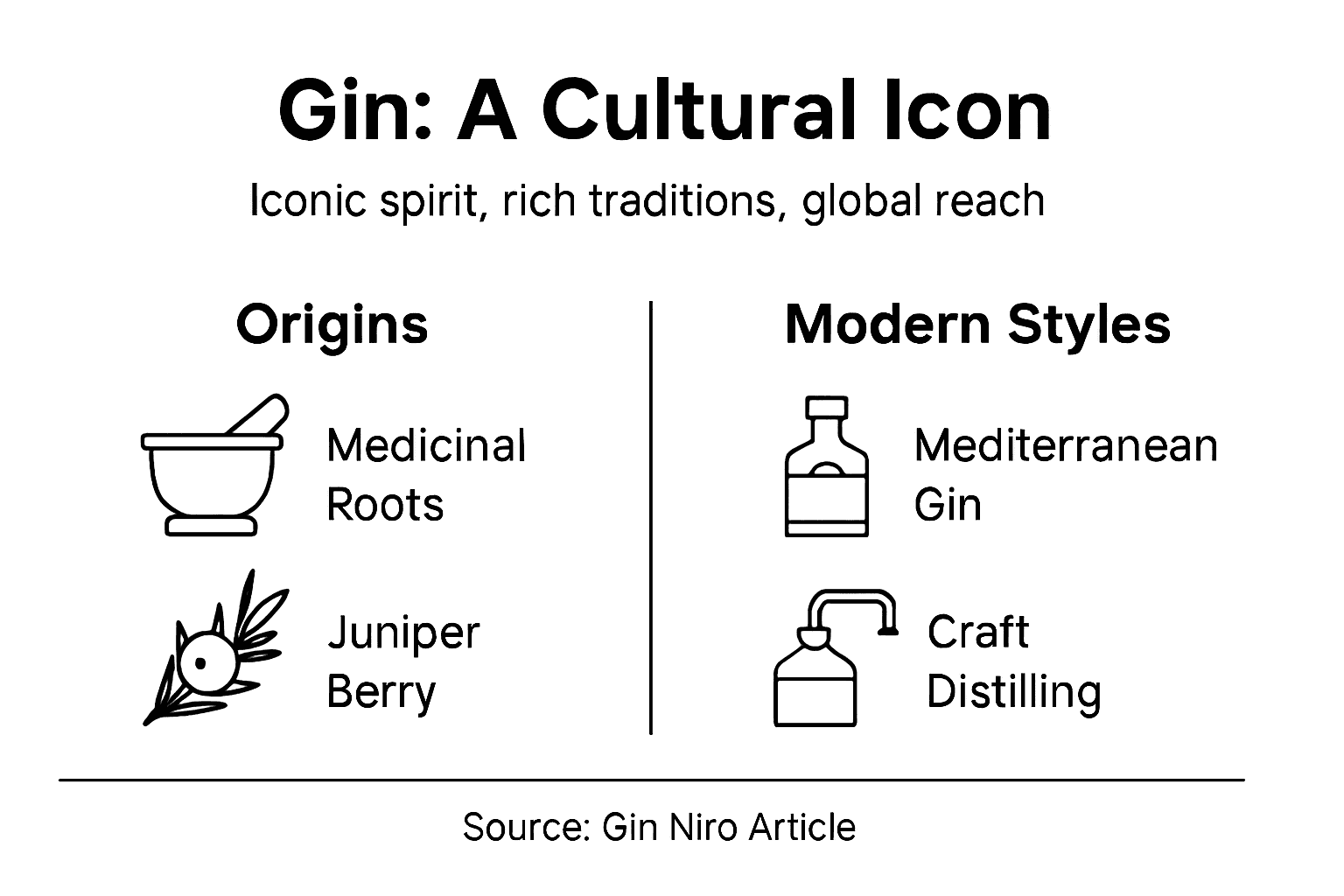
Gin’s journey from a medicinal tonic to a global cultural icon is a fascinating tale of transformation. Originally developed as a therapeutic remedy, gin began its remarkable trajectory in the Low Countries during the 11th and 12th centuries, where juniper berries were first recognized for their powerful medicinal properties. Monks and early pharmacists utilized these potent berries to create a primitive form of genever, a precursor to modern gin.
The British played a pivotal role in gin’s global evolution, introducing the spirit to England in the 17th century. What started as a medicinal drink quickly transformed during the notorious Gin Craze of the 18th century, when the spirit became a widely consumed beverage. This period marked a significant shift from gin’s pharmaceutical origins to a popular social drink:
- Initial medicinal purpose with juniper extracts
- Introduction to England by British soldiers
- Transformation from pharmaceutical product to social beverage
- Development of refined gin production techniques
During the British colonial era, gin’s cultural significance expanded dramatically. The iconic Gin and Tonic emerged as a brilliant solution to a medical challenge, with British colonial officials mixing gin with quinine-rich tonic water to combat malaria. This functional beverage not only provided essential medical protection but also became a symbol of colonial sophistication and cultural exchange.
Pro tip: Explore vintage gin recipes to understand how this versatile spirit transitioned from a medical remedy to a celebrated global beverage.
Major Gin Styles And Mediterranean Variations
Gin represents a complex and diverse spirit category with remarkable regional variations that reflect local botanical traditions and cultural heritage. Mediterranean gin styles showcase extraordinary diversity, ranging from classic London Dry to unique regional interpretations that capture distinctive local flavors and production techniques.
Traditional gin styles emerged from different European regions, each with its own distinctive characteristics:
- London Dry: The most internationally recognized style
- Plymouth Gin: Historically protected geographical designation
- Old Tom: Sweeter, more traditional style
- Genever: Dutch original style with malted grain base
- Mediterranean Variations: Incorporating local botanicals and regional techniques
Spanish gin, in particular, represents a fascinating evolution of the spirit. Spanish gin traditions emerged through British colonial influence, particularly in Menorca, resulting in unique styles like Gin de Mahón with its protected geographical indication. These Mediterranean gins distinguish themselves by infusing local botanicals such as rosemary, thyme, and citrus fruits, creating complex flavor profiles that reflect the region’s rich botanical landscape.
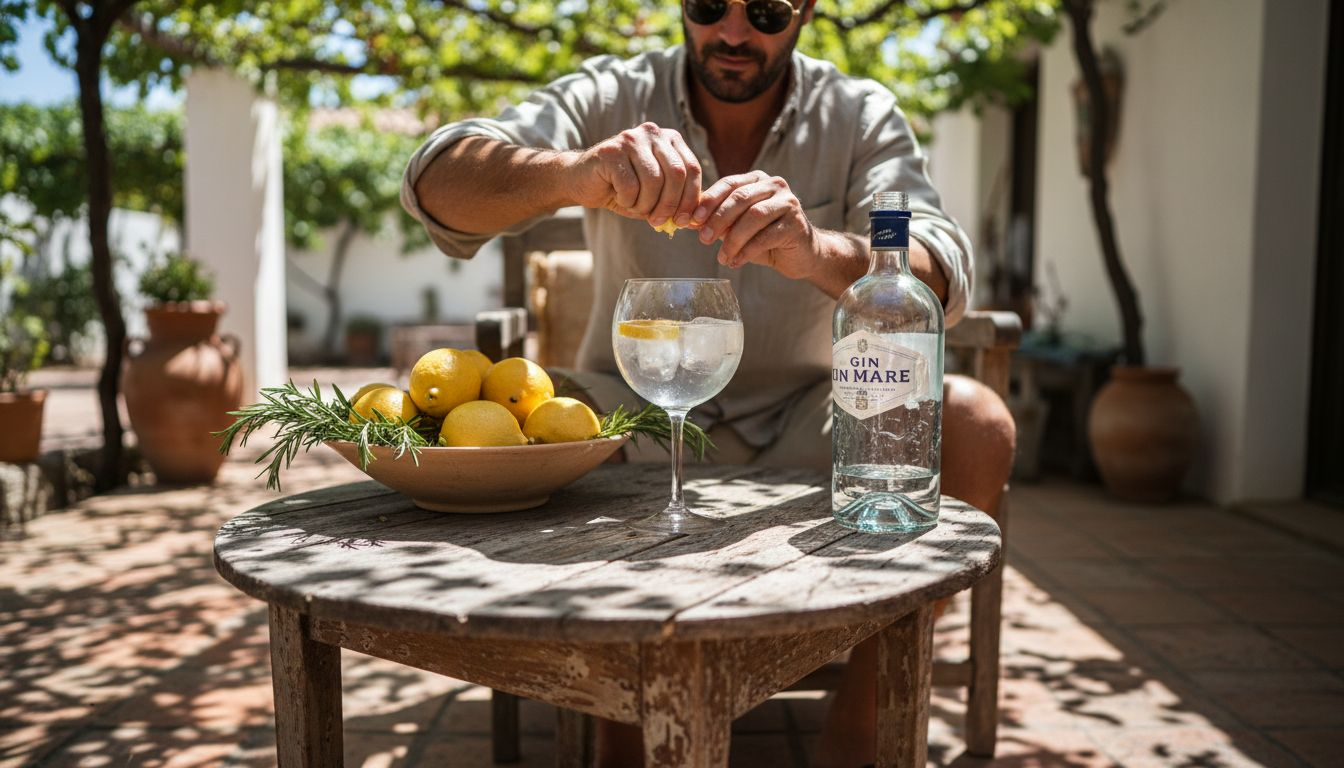
The Mediterranean approach to gin production emphasizes terroir - the unique environmental characteristics that influence botanical growth and flavor development. This regional interpretation transforms gin from a simple spirit into a nuanced expression of local culture, climate, and botanical diversity.
Here’s a look at how major gin styles reflect their regional influences:
| Gin Style | Origin | Key Botanicals | Distinctive Feature |
|---|---|---|---|
| London Dry | England | Juniper, citrus | Crisp, dry profile |
| Plymouth | Plymouth, UK | Juniper, root botanicals | Earthy, soft finish |
| Old Tom | England | Juniper, sugar, spices | Sweet, rich character |
| Genever | Netherlands | Malted grain, juniper | Malty, herbal base |
| Mediterranean | Spain, Italy | Rosemary, thyme, citrus | Herbal, vibrant flavors |
Pro tip: Explore Mediterranean gin varieties to experience how regional botanicals can dramatically transform a classic spirit’s flavor profile.
Key Botanicals And Distillation Methods
Gin’s extraordinary complexity emerges from intricate botanical extraction techniques that transform simple ingredients into a nuanced spirit. Botanical extraction methods fundamentally define gin’s unique flavor profile, with each distillation approach revealing different aromatic dimensions and chemical interactions.
Two primary distillation techniques dominate gin production:
-
Steep Infusion (Maceration)
- Botanicals soaked directly in alcohol
- Allows prolonged flavor extraction
- Intense, robust flavor development
-
Vapor Infusion
- Botanicals suspended above alcohol
- Steam extracts volatile compounds
- Produces lighter, more delicate flavor profiles
The chemical science behind gin production is fascinating. Specific compounds like alpha-pinene and limonene contribute distinctive flavor notes, with alcohol functioning as a sophisticated solvent that extracts complex botanical essences. Distillation parameters crucially shape flavor dynamics, revealing how precise temperature, duration, and botanical ratios transform simple ingredients into a remarkable spirit.
This summary highlights key differences between gin distillation methods:
| Method | Botanical Contact | Flavor Profile | Use Case |
|---|---|---|---|
| Steep Infusion | Botanicals soaked in alcohol | Intense, robust | Traditional gins |
| Vapor Infusion | Botanicals suspended above base | Lighter, delicate | Modern artisanal gins |
Juniper remains the cornerstone botanical, legally defining gin, but modern distillers increasingly experiment with unique regional ingredients. From Mediterranean herbs to exotic spices, these innovative approaches demonstrate how botanical selection can create entirely new sensory experiences.
Pro tip: Experiment with different botanical combinations to understand how subtle ingredient changes dramatically transform gin’s flavor profile.
Gin’s Influence On Global Cocktail Culture
Gin has transformed global cocktail culture through its remarkable versatility and complex flavor profile. Global cocktail trends reveal gin’s extraordinary capacity to adapt and inspire mixologists worldwide, driving innovation in beverage crafting and consumer preferences.
The evolution of gin in cocktail culture can be traced through several key developments:
-
Classic Cocktails
- Martini: Defined by gin’s crisp botanical notes
- Negroni: Showcasing gin’s ability to balance complex flavors
- Gin and Tonic: Colonial legacy turned global phenomenon
-
Modern Mixology Trends
- Craft cocktail renaissance
- Artisanal gin production
- Experimental flavor combinations
- Low-alcohol and botanical-infused variants
Contemporary mixology has embraced gin as a canvas for creativity, with bartenders pushing boundaries by incorporating regional ingredients, unconventional botanicals, and innovative infusion techniques. The spirit’s adaptability allows for endless experimentation, from Mediterranean-inspired cocktails featuring local herbs to avant-garde molecular mixology approaches that deconstruct traditional flavor profiles.
The global cocktail scene continues to celebrate gin’s complexity, transforming it from a simple spirit to a sophisticated culinary experience that reflects cultural diversity and creative expression.
Pro tip: Explore local gin varieties to discover unique botanical combinations that can elevate your cocktail repertoire.
Artisanal Craftsmanship And Modern Trends
The contemporary gin landscape is defined by an extraordinary renaissance of artisanal craftsmanship and innovative production techniques. Global gin market dynamics reveal a profound transformation driven by small-batch distilleries and passionate artisan producers who are redefining the spirit’s cultural significance.
Key characteristics of modern artisanal gin production include:
-
Botanical Innovation
- Locally sourced ingredients
- Unique regional flavor profiles
- Experimental botanical combinations
-
Production Techniques
- Small-batch distillation
- Precision crafting methods
- Limited edition releases
- Sustainable production practices
Contemporary gin styles demonstrate an unprecedented commitment to authenticity and creativity. Contemporary gin innovations showcase how distillers are pushing boundaries by incorporating unconventional botanicals, exploring unique terroir-driven flavor profiles, and developing narratives that connect consumers with the spirit’s rich cultural heritage.
The modern gin movement transcends traditional production, transforming each bottle into a storytelling medium that reflects regional identity, environmental consciousness, and artistic expression. Artisan distillers are not merely creating a beverage but crafting a sensory experience that celebrates cultural diversity and individual creativity.
Pro tip: Attend local gin tastings to experience the nuanced storytelling behind artisanal spirit production.
Cultural Symbolism Of Gin Today
Gin has transcended its origins as a simple spirit to become a profound cultural symbol representing sophistication, creativity, and social connection. Cultural interpretations of gin reveal a complex narrative that extends far beyond mere beverage consumption, embodying historical transitions and social transformations across different cultures.
Key symbolic representations of gin include:
-
Social Status Markers
- Symbol of cosmopolitan sophistication
- Indicator of cultural awareness
- Representation of global interconnectedness
-
Cultural Identity
- Reflection of regional heritage
- Medium of storytelling
- Expression of local botanical traditions
Cultural adaptations of gin demonstrate remarkable transformations across different societies. In West Africa, for instance, Dutch schnapps gin evolved from a symbol of colonial modernity to a deeply embedded traditional ritual item, illustrating how imported goods can be reinterpreted and integrated into local cultural contexts.
Today, gin serves as a dynamic cultural artifact that reflects contemporary values of craftsmanship, authenticity, and individual expression. Each bottle tells a story, connecting consumers with global traditions while simultaneously celebrating local innovation and creative spirit.
Pro tip: Explore international gin varieties to understand how different cultures interpret and celebrate this versatile spirit.
Discover the True Spirit of Mediterranean Gin
The article highlights how gin has evolved into a global cultural icon through its unique botanical profiles and rich traditions. If you are fascinated by gin’s journey from medicinal roots to a symbol of craftsmanship and culture, our featured Mediterranean-style gin offers an authentic experience that captures this very essence. Gin Niro combines aromatic zibibbo grapes with Sicilian citrus, embracing the artisanal distillation methods that define premium gin craftsmanship.
Experience the artistry and heritage behind each bottle by exploring our curated collection on the Homepage – Gin Niro. Taste the vibrant flavors that reflect the Mediterranean terroir and discover cocktail pairing ideas that elevate your enjoyment. Don’t wait to immerse yourself in this sophisticated spirit that honors tradition while redefining modern gin culture. Visit https://ginniro.it now to secure your bottle and celebrate gin as a true cultural icon.
Frequently Asked Questions
What is the origin of gin as a medicinal drink?
Gin originated as a medicinal tonic using juniper berries in the 11th and 12th centuries when monks and early pharmacists created a primitive form of genever to leverage the powerful medicinal properties of the berries.
How did gin become popular as a social beverage?
Gin transformed from a medicinal drink to a popular social beverage during the 18th century’s Gin Craze, largely due to its introduction to England and growing consumption across society.
What are the different styles of gin, and how do they differ?
Major gin styles include London Dry, Plymouth, Old Tom, Genever, and Mediterranean variations. Each style is characterized by distinct botanicals, production methods, and flavor profiles, reflecting local traditions and preferences.
What techniques are used in the distillation of gin?
The two primary distillation techniques for gin are steep infusion and vapor infusion. Steep infusion involves soaking botanicals directly in alcohol for intense flavors, while vapor infusion suspends botanicals above the alcohol to extract lighter, more delicate aromas.


