

Finding gin that stands distinctly apart from classic Northern European styles is a pursuit for many sophisticated collectors. For those drawn to Mediterranean spirits, the allure lies in how grapes—especially prized varieties like Zibibbo—infuse every bottle with regionally authentic character and sensory depth. Mediterranean distillers leverage innovative methods and local grape diversity not just to craft unique flavors but to champion sustainability and terroir expression. This article unveils how grapes transform gin production, highlighting the artistry and innovation behind Mediterranean grape-based gins.
Table of Contents
- Grapes In Gin Production Explained
- Distinctive Mediterranean Grape Varieties
- Zibibbo Grapes And Their Unique Impact
- Crafting Gin: Methods And Innovations
- Artisanal Quality And Sensory Experience
Key Takeaways
| Point | Details |
|---|---|
| Grape-Based Gins Offer Unique Complexity | Unlike traditional gin, grape-based gins provide a refined flavor profile through botanical and grape synergy, enhancing overall taste. |
| Sustainability in Production | Mediterranean distillers utilize surplus grapes from wine regions, reducing waste and embracing regional authenticity. |
| Impact of Grape Varieties | The choice of grape variety, such as Zibibbo or Ugni Blanc, significantly influences the gin’s aroma and flavor, reflecting terroir. |
| Artisanal Distillation Practices | Crafting grape-based gin involves careful attention to fermentation and botanical integration, resulting in a richer sensory experience. |
Grapes in Gin Production Explained
Grapes bring a distinctive character to gin production that goes far beyond simple flavoring. Unlike the traditional juniper-forward approach common in Northern European distilleries, grape-based gins introduce a different dimensional complexity that Mediterranean distillers have increasingly refined. The fruit itself contributes natural sugars, aromatic compounds, and tannins that interact with botanical ingredients in unexpected ways. When grapes enter the distillation process, they fundamentally alter how other botanicals express themselves, creating flavor profiles that feel more refined and integrated rather than layered on top of a neutral spirit base.
The production process requires careful consideration at every stage. Distillers working with grapes must first select the right variety, since not all grapes perform equally when distilled. Mediterranean varieties like zibibbo grapes offer particular advantages because they contain higher aromatic oils and lower acidity than many table or wine grapes. Research into grape-based gin innovation demonstrated that distinct aroma profiles emerge depending on grape selection, fermentation approach, and the timing of botanical integration. The process typically involves fermenting grape juice or must, distilling it separately, then combining it with a traditional gin distillation that includes juniper and other botanicals. This two-track approach gives distillers precise control over how grape character blends with classic gin elements.
What makes this approach particularly appealing for Mediterranean producers is sustainability and regional authenticity. Surplus grapes from wine regions find new purpose in craft gin production, reducing waste while celebrating local agricultural heritage. The resulting spirit carries a sense of place that purely botanical gins cannot achieve. For sophisticated consumers seeking something beyond conventional gin experiences, understanding grape’s role in production reveals why Mediterranean gins often taste fresher, more fruit-forward, and unexpectedly elegant compared to their juniper-dominant counterparts. The complexity comes not from added flavor, but from genuine botanical synergy.
Pro tip: When tasting grape-based Mediterranean gins, start with water or a light mixer rather than traditional tonic, which can mask the subtle fruit aromatics that make these expressions distinctive.
For a quick overview, here are major differences between traditional neutral grain gin and grape-based Mediterranean gin:
| Aspect | Neutral Grain Gin | Mediterranean Grape Gin |
|---|---|---|
| Base Spirit | Grain, neutral profile | Fermented grape must/juice |
| Flavor Integration | Botanicals layered on spirit | Botanical and grape synergy |
| Mouthfeel | Light, sharp | Fuller, silkier |
| Sustainability | Standard sourcing | Uses surplus local grapes |
Distinctive Mediterranean Grape Varieties
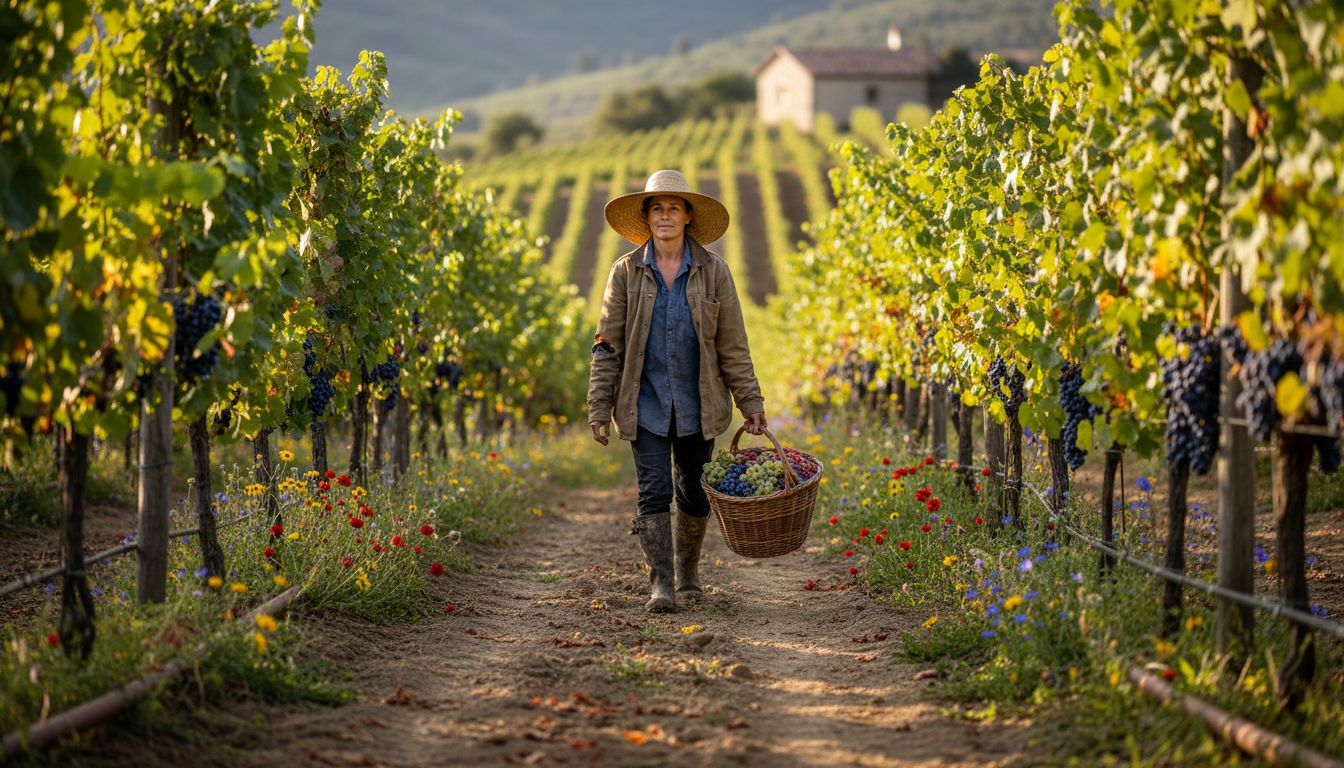
Mediterranean grape varieties carry centuries of adaptation to specific climates, soils, and sun exposure patterns that fundamentally shape their character. Unlike grapes bred primarily for wine production, those destined for gin distillation must deliver consistent aromatic compounds, balanced sugar levels, and the ability to express terroir through the distillation process. The genetic diversity of Mediterranean grapes provides producers with distinct sensory traits and environmental resilience that make these varieties ideal for craft gin production. Zibibbo grapes, native to Sicily, represent one of the most compelling examples. These golden-hued fruits thrive in the intense Mediterranean heat and deliver honeyed, slightly floral aromatics that persist through distillation, creating gins with unmistakable character.
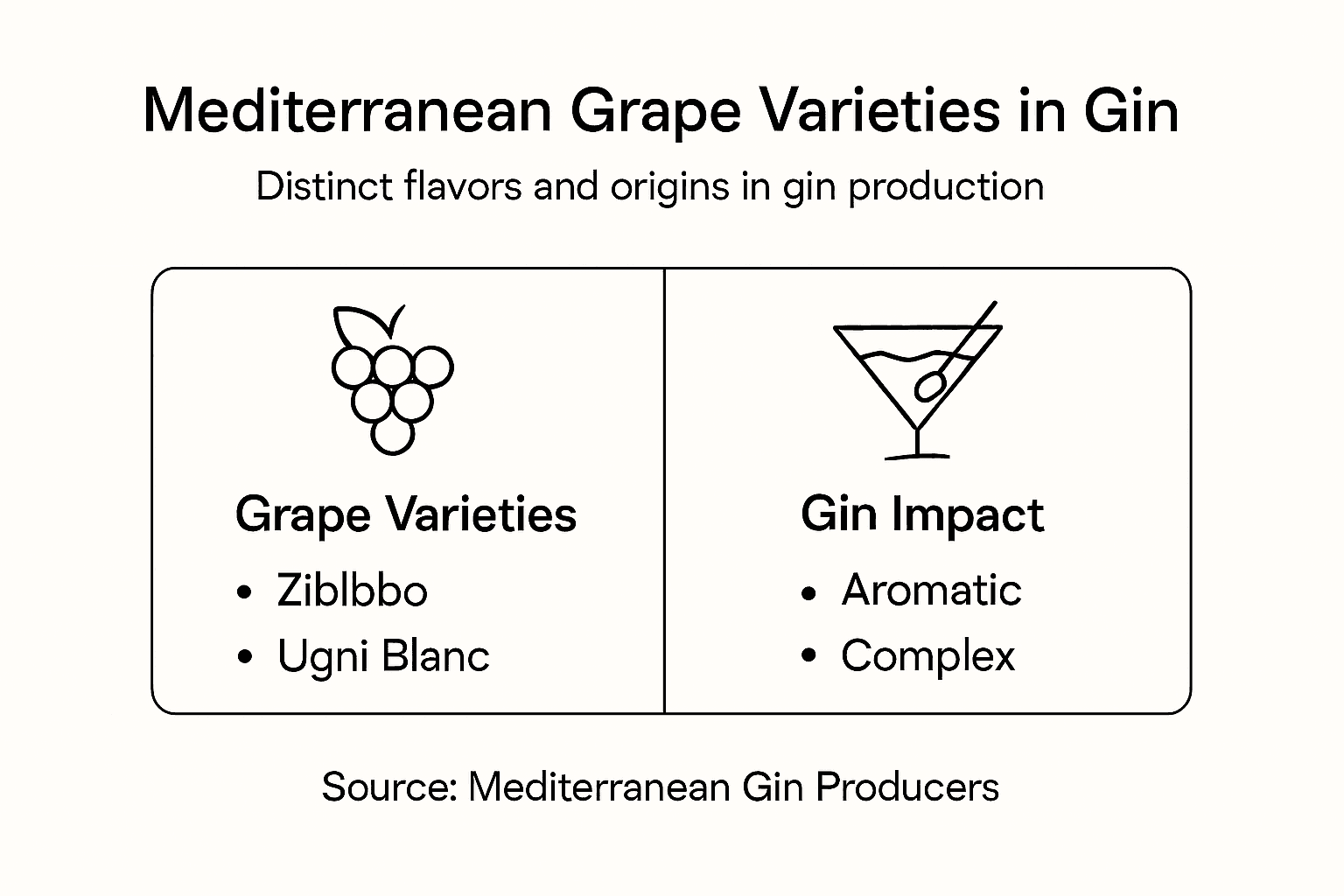
Ugni Blanc stands as another critical variety for grape-based gins, particularly in Southern France and parts of Southern Italy. This grape contributes high acidity and delicate floral notes that balance the heavier botanical elements found in traditional gin recipes. What makes Ugni Blanc exceptional is its capacity to maintain aromatic integrity during fermentation and distillation. The sugar content remains moderate, preventing the finished spirit from becoming cloying or overly sweet. Other indigenous Mediterranean varieties like Vermentino from Sardinia and Nerello Mascalese from Sicily each bring their own signature profiles. Vermentino offers crisp, mineral-driven aromatics with subtle citrus undertones, while Nerello Mascalese delivers deeper, earthier characteristics that add complexity and structure to gin blends.
When distillers select which Mediterranean grape varieties to use, they’re making decisions that ripple through every stage of production. The aromatic profiles and sugar content of Mediterranean grapes directly influence how flavors extract during distillation and ultimately shape the gin’s sensory experience. A producer choosing zibibbo commits to a gin with warmer, rounder characteristics. Selecting Ugni Blanc signals an intention toward elegance and restraint. The terroir expression becomes inseparable from the spirit itself, creating regional distinctions that sophisticated gin drinkers genuinely recognize and appreciate. This isn’t marketing language. The difference between a Mediterranean gin made with zibibbo versus one made with Ugni Blanc is as pronounced as the difference between two distinct wine regions.
Pro tip: When exploring Mediterranean grape-based gins, taste multiple varieties blind to identify which grape character resonates with your palate, then seek out gins from producers who specialize in your preferred variety.
Here’s how key Mediterranean grape varieties influence gin character:
| Grape Variety | Aromatic Profile | Impact on Gin Flavor | Regional Origin |
|---|---|---|---|
| Zibibbo | Honeyed, floral, citrus | Warmth, richness, body | Sicily |
| Ugni Blanc | Delicate, floral, crisp | Balanced, restrained | Southern France, Italy |
| Vermentino | Mineral, citrus, fresh | Crisp, bright, subtle | Sardinia |
| Nerello Mascalese | Earthy, deep, spicy | Structured, complex | Sicily |
Zibibbo Grapes and Their Unique Impact
Zibibbo grapes occupy a special place in Mediterranean gin production, delivering sensorial qualities that transform the entire drinking experience. Native to Sicily and thriving in the island’s intense sun and mineral-rich soils, these Muscat grapes carry aromatic intensity that few other varieties can match. When you encounter a gin infused with zibibbo essence, you’re tasting the concentrated expression of centuries of Sicilian viticulture. The grape itself brings distinct floral and citrus notes that distinguish zibibbo-based gins from both traditional juniper-forward expressions and other grape varieties used in gin production. The result feels less like a flavored spirit and more like a genuinely new category of gin altogether.
What makes zibibbo so compelling for distillers comes down to chemistry and terroir. These grapes develop higher concentrations of aromatic compounds than standard wine grapes, particularly volatile esters that express as honeyed, floral, and slightly peachy characteristics. During fermentation and distillation, these compounds persist through the process in ways that create remarkable mouthfeel and aroma complexity. The natural sugar content remains moderate enough that the finished gin never tastes cloying or dessert-like, yet high enough to provide body and richness that balances the botanicals. Sicilian terroir imparts mineral undertones and a subtle salinity that echoes the Mediterranean breeze and volcanic soils where zibibbo thrives. These elements combine to create something genuinely distinctive that experienced gin drinkers immediately recognize.
The sensorial richness that zibibbo brings extends beyond simple flavor. The aromatic profile opens dramatically on the nose, offering complexity that unfolds over time rather than hitting you all at once. On the palate, zibibbo-based gins deliver a silkier mouthfeel than spirit made with neutral grain or other grape varieties, creating a more luxurious drinking experience. This characteristic makes zibibbo gins particularly suited to sipping neat or with minimal dilution, allowing the full spectrum of aromatic and flavor elements to express themselves without interference. For sophisticated gin connoisseurs seeking something beyond conventional expressions, zibibbo represents the Mediterranean distinction at its most compelling. The grape doesn’t merely flavoring the gin. It fundamentally redefines what gin can be.
Pro tip: Serve zibibbo-based gin at cellar temperature in a tulip-shaped glass to fully experience the aromatic complexity and silky mouthfeel that makes this variety genuinely special.
Crafting Gin: Methods and Innovations
Crafting grape-based gin requires departing from traditional distillation methods that have dominated gin production for centuries. While conventional gin production focuses on steeping botanicals in neutral spirit and then distilling, grape-based gin demands a fundamentally different approach. The challenge lies in preserving the delicate aromatic compounds that make grapes valuable while simultaneously integrating them with the strong botanical profiles that define gin. Modern distillers accomplish this through pH-adjusted fermentation protocols that protect volatile compounds during the fermentation stage, ensuring that the grape’s character remains intact rather than being damaged or lost during processing. This technical precision separates casual grape infusions from genuinely crafted grape-based gins that deserve premium positioning.
Innovation in gin production extends beyond fermentation into the realm of botanical experimentation and scientific analysis. Distillers now employ advanced mathematical and network analysis methods to assess which botanicals work harmoniously together, moving beyond trial-and-error approaches toward optimized pairings that enhance aroma and flavor congruity. This scientific foundation allows producers to explore combinations that would have seemed unlikely through intuition alone. For grape-based gins specifically, this means understanding how grape fruit character interacts with traditional gin botanicals like juniper, coriander, and citrus peels. Some distillers push boundaries further by incorporating grape flowers, leaves, and seeds into their botanical blends, creating multi-dimensional expressions that reflect their specific terroir. The scalable distillation processes developed by pioneering producers allow them to retain grape fruit character while experimenting with these unique combinations, resulting in gin profiles that feel genuinely innovative without sacrificing balance.
What separates artisanal grape-based gin from mass-market expressions comes down to this commitment to innovation paired with sustainable practices. Forward-thinking distillers view surplus grapes not as waste to be processed cheaply, but as opportunities to create something genuinely new. They invest in understanding fermentation chemistry, botanical compatibility, and how specific grape varieties interact with particular botanical blends. The result transcends simple flavoring. Instead, these gins represent a convergence of viticulture knowledge, distillation science, and botanical expertise. For sophisticated consumers, these innovations mean access to gin expressions that traditional producers would never create, crafted by distillers who view the Mediterranean grape as a noble ingredient deserving the same respect as premium juniper or rare botanicals.
Pro tip: When exploring innovative grape-based gins, pay attention to production details like fermentation temperature, botanical steeping time, and whether grape elements were incorporated pre or post-distillation, as these technical choices dramatically influence the final flavor profile.
Artisanal Quality and Sensory Experience
Artisanal grape-based gin represents a departure from industrial spirit production, prioritizing quality at every stage from grape selection through the final bottling. When distillers commit to small-batch production, they gain control over variables that mass-market producers sacrifice for efficiency. Each batch can be monitored individually, allowing adjustments to fermentation temperature, botanical steeping duration, and distillation timing that respond to the specific characteristics of that year’s grape harvest. This hands-on approach means no two batches taste identical. For connoisseurs, this variation signals authenticity rather than inconsistency. The artisanal philosophy treats grapes not as commodity ingredients but as living materials requiring respect and attention throughout the production process.
The sensory experience delivered by properly crafted grape-based gin extends across multiple dimensions of perception. Crafted grape-based gins combine floral, fruity, and spicy notes with a fuller mouthfeel that distinguishes them fundamentally from neutral grain-based expressions. This richness comes from dual distillation processes designed specifically to preserve delicate aromas that would otherwise vanish in single-distillation approaches. The first distillation extracts the core character from fermented grapes, while the second carefully integrates botanical elements, allowing them to marry with the grape base rather than simply sitting on top of it. On the nose, you encounter layers that unfold progressively. Initial aromatic impressions yield to deeper floral and fruity characteristics, with subtle spice notes emerging as the glass warms. On the palate, the fuller mouthfeel coats your mouth with richness, creating a drinking experience that feels substantial and intentional rather than sharp or thin.
What separates artisanal Mediterranean gin from conventional expressions ultimately comes down to intention. Artisanal producers make deliberate choices about which botanicals to include, how long to steep them, and when to introduce grape elements into the distillation sequence. Careful botanical selection means sourcing premium juniper, hand-selected citrus peels, and complementary botanicals that enhance rather than compete with grape character. This curated approach creates flavor complexity that rewards attention. Each sip reveals something new. The sensory journey mirrors fine wine appreciation more closely than typical spirit drinking. Sophisticated drinkers recognize this distinction immediately. The gin tastes like someone cared deeply about what ended up in the bottle, and that intentionality translates directly into the drinking experience, creating memories rather than simply providing intoxication.
Pro tip: Taste artisanal grape-based gin in a traditional gin balloon glass, allowing the wider bowl to concentrate aromas while your hand gently warms the bowl, releasing volatile compounds throughout your tasting experience.
Discover the Mediterranean Essence in Every Sip of Gin Niro
If you are captivated by the unique role that grapes play in Mediterranean gin production, especially the distinguished impact of zibibbo grapes, then Gin Niro offers exactly what you seek. This artisanal gin embodies the very principles discussed in the article, from the sustainable use of aromatic Mediterranean grape varieties to the masterful distillation process that preserves the silky mouthfeel and refined botanical synergy. Many gin lovers struggle to find a spirit that goes beyond ordinary juniper flavors and highlights the sophisticated complexity that genuine grape-based gins deliver.
Explore how the delicate balance of Sicilian citrus and zibibbo grapes creates a sensory experience unlike any other by visiting the Homepage – Gin Niro. Dive into the story behind this extraordinary spirit and enjoy detailed insights about its artisanal quality and handcrafted technique. Now is the perfect moment to elevate your gin collection with a bottle crafted especially for connoisseurs who appreciate authentic Mediterranean distinction. Visit Gin Niro to make your purchase, and savor the essence of tradition and innovation in every sip.
Frequently Asked Questions
What are grape-based gins, and how do they differ from traditional gin?
Grape-based gins use fermented grape juice as their base spirit, integrating grape character with traditional botanicals like juniper. This creates a fuller, more complex flavor profile compared to traditional gin, which typically relies on a neutral grain base.
How do grapes influence the flavor profile of gin?
Grapes contribute natural sugars, aromatic compounds, and tannins that interact with botanicals, creating a refined and integrated flavor experience. The choice of grape variety directly impacts the aromatic and taste characteristics of the gin.
What are some notable grape varieties used in Mediterranean gin production?
Important grape varieties include zibibbo, known for its honeyed and floral notes; Ugni Blanc, which offers delicate and floral characteristics; Vermentino with crisp, mineral-driven flavors; and Nerello Mascalese that provides earthy and complex notes.
Why is sustainability important in the production of grape-based gin?
Sustainability is significant because surplus grapes from wine production are utilized, minimizing waste and celebrating local agricultural traditions. This approach not only reduces environmental impact but also enhances the authenticity of the gin, reflecting the character of the region.


