

Unlocking the secrets of Mediterranean gin infusion invites curious palates into a world where refined technique meets vibrant flavor. Enthusiasts seeking more than the usual juniper notes find rich possibilities through botanical selections like rosemary, thyme, and citrus peels thoughtfully woven into each spirit. Mastering the difference between maceration and vapor infusion, as used by distillers on the Isle of Islay, empowers you to shape nuanced, elegant gin profiles that tell stories of landscape and tradition.
Table of Contents
- Gin Infusion Basics and Core Concepts
- Popular Botanicals and Mediterranean Flavors
- Key Infusion Methods and Timing Differences
- Safety, Storage, and Common Mistakes to Avoid
- Practical Uses and Tasting Experiences
Key Takeaways
| Point | Details |
|---|---|
| Gin Infusion Techniques | Gin infusion utilizes methods like Maceration and Vapor Infusion to develop complex flavor profiles through botanical ingredients. |
| Mediterranean Botanical Diversity | Mediterranean gins often incorporate local herbs such as Rosemary and Thyme, creating unique flavor profiles that reflect the region’s biodiversity. |
| Timing and Method Importance | The duration and technique of infusion significantly affect the final flavor, with options like Cold Maceration and Vapor Infusion offering distinct sensory experiences. |
| Sanitation and Storage | Proper sanitation and storage conditions are crucial to prevent contamination and spoilage, ensuring high-quality gin infusion results. |
Gin Infusion Basics and Core Concepts
Gin infusion represents a sophisticated flavor extraction technique that transforms traditional spirit production through carefully selected botanical ingredients. The process involves strategically introducing aromatic herbs, spices, and fruits into alcohol to develop complex taste profiles that distinguish premium gin varieties.
At its core, gin infusion relies on two primary methods for flavor development:
- Maceration: Botanicals are soaked directly in base spirit to extract essential oils and aromatic compounds
- Vapor Infusion: Botanicals are suspended in a basket during distillation, allowing alcohol vapors to extract delicate flavor nuances
Traditional gin recipes typically feature a foundational set of botanicals, with core botanical ingredients carefully selected to create balanced flavor profiles. Common ingredients include:
- Juniper berries (the defining gin botanical)
- Coriander seeds
- Angelica root
- Citrus peels
- Cardamom
- Orris root
Professional distillers understand that precise botanical preparation significantly impacts infusion quality. Techniques like carefully rinsing ingredients and avoiding excessive citrus oils help prevent unwanted cloudiness and maintain flavor clarity.
Pro tip: When experimenting with gin infusions at home, start with small batches and classic botanical combinations to develop your sensory understanding of flavor extraction techniques.
Popular Botanicals and Mediterranean Flavors
Mediterranean gin production represents a vibrant culinary tradition that celebrates regional botanical diversity, transforming classic spirit-making through uniquely local ingredients. Mediterranean herbal infusion techniques showcase an extraordinary range of aromatic herbs and citrus elements that define the region’s distinctive flavor profiles.
The Mediterranean botanical palette typically includes a rich array of ingredients that distinguish these spirits from traditional gin recipes:
- Rosemary
- Thyme
- Fennel
- Lemon verbena
- Orange and citrus peels
- Wild mountain herbs
- Chamomile
- Marjoram
Historically, Mediterranean distillers have drawn inspiration from local herbal liqueur traditions, incorporating techniques that allow for deep, nuanced flavor extraction. The Botanist gin, for instance, highlights this approach by sourcing unique regional botanical ingredients directly from local landscapes, including wild herbs and flowers that capture the essence of their terroir.
Unlike standard gin recipes, Mediterranean variations emphasize complex herbal notes that reflect the region’s rich botanical biodiversity. Distillers carefully balance traditional gin foundations like juniper and coriander with distinctive local herbs, creating spirits that tell a story of landscape and tradition.
Mediterranean gin botanicals represent more than ingredients - they are liquid narratives of cultural heritage and landscape.
Pro tip: When exploring Mediterranean gin botanicals, taste slowly and consider how each herb represents a specific microclimate and cultural tradition.
Key Infusion Methods and Timing Differences
Gin infusion techniques represent a delicate art of flavor extraction, with sophisticated botanical infusion methods that dramatically influence the spirit’s final character. Distillers have developed multiple approaches to coax complex flavors from botanical ingredients, each technique offering unique sensory experiences.
The primary gin infusion methods include:
- Vapor Infusion: Alcohol vapors pass through suspended botanicals
- Cold Maceration: Botanicals steep in cold alcohol for extended periods
- Boiling Maceration: Ingredients are directly boiled with base spirit
- Basket Infusion: Botanicals suspended in distillation apparatus
Vapor Infusion offers the most nuanced approach, allowing delicate flavor extraction through gentle alcohol vapor interaction. This method preserves the most subtle herbal and floral notes, creating exceptionally refined gin profiles. Professional distillers often spend hours carefully controlling temperature and botanical placement to achieve optimal extraction.
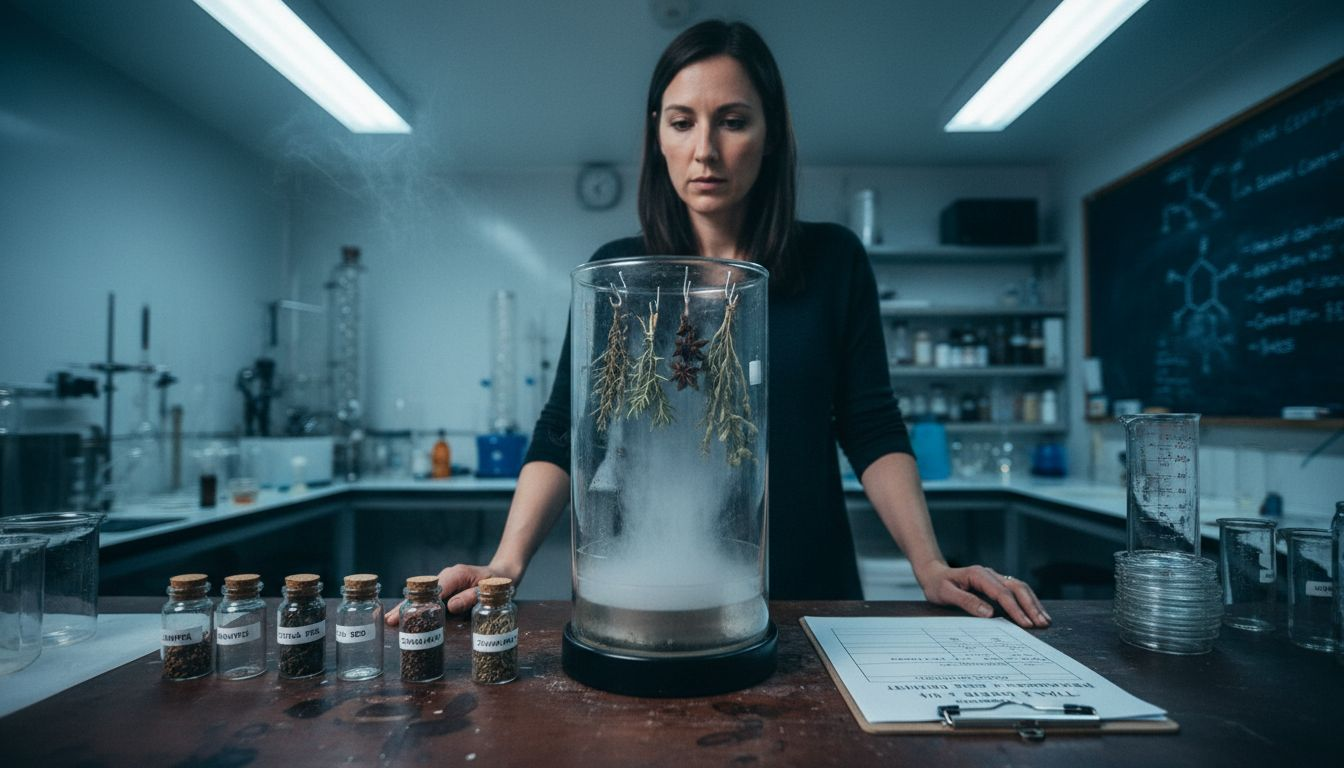
Timing plays a critical role in botanical infusion. Some distilleries employ overnight maceration, while others use rapid extraction techniques. The duration can dramatically alter flavor intensity, with longer steeping times producing deeper, more complex flavor profiles.
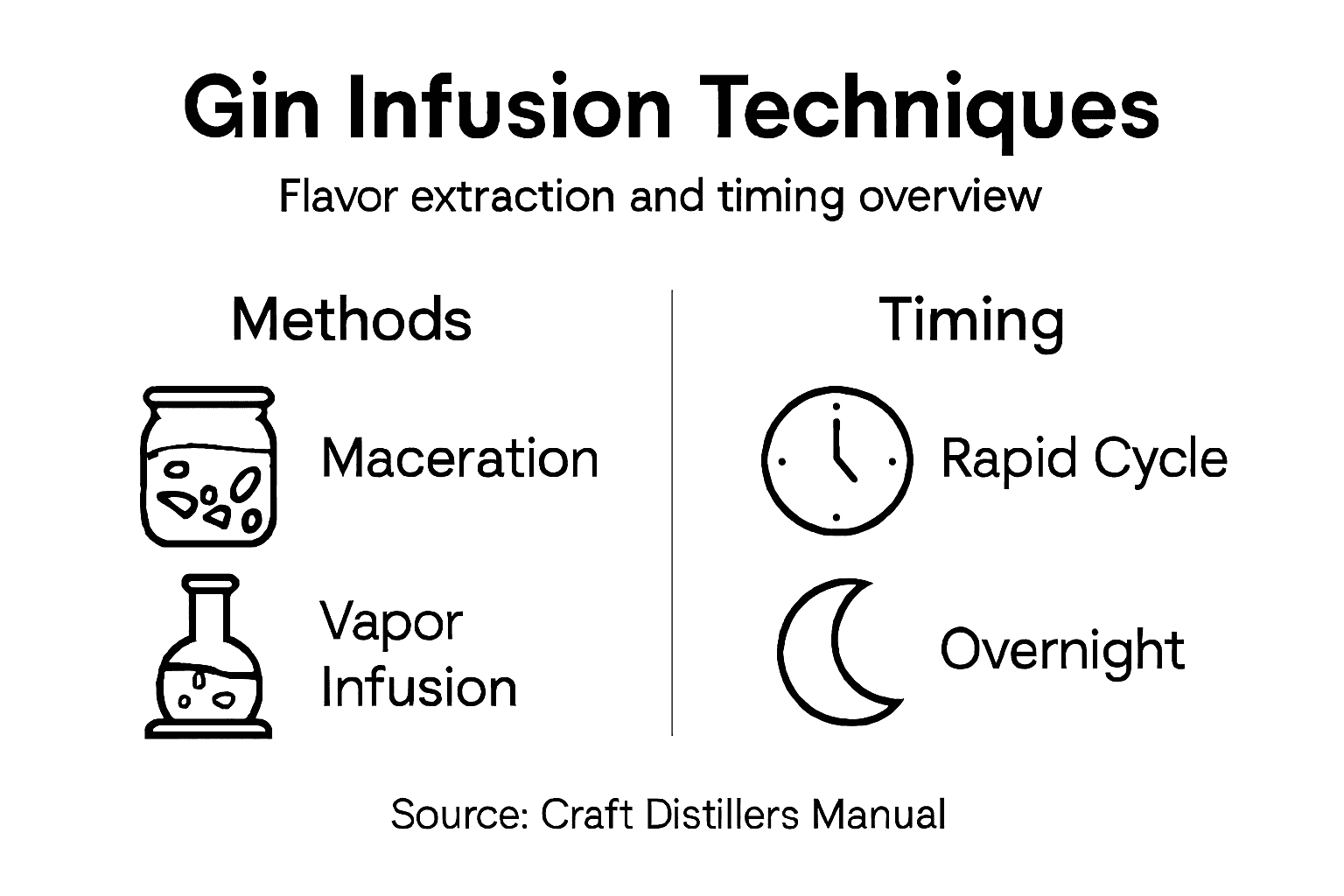
Here’s a comparative overview of key gin infusion methods and their ideal uses:
| Infusion Method | Flavor Characteristics | Best Suited For | Typical Duration |
|---|---|---|---|
| Vapor Infusion | Delicate, refined, subtle | Floral/herbal botanicals | 1-4 hours |
| Cold Maceration | Deep, robust, layered | Strong roots and spices | 6-48 hours |
| Boiling Maceration | Intensely extracted, bold | Hard seeds and barks | 30 minutes to 2 hours |
| Basket Infusion | Balanced, complex, aromatic | Mixed botanicals | During distillation (varied) |
Precision in infusion timing transforms simple ingredients into extraordinary sensory experiences.
Pro tip: Experiment with different infusion times and techniques to understand how subtle changes impact your gin’s final flavor profile.
Safety, Storage, and Common Mistakes to Avoid
Successful gin infusion requires meticulous attention to proper storage and contamination prevention, with several critical considerations that can dramatically impact the final spirit’s quality. Home and professional distillers must navigate a complex landscape of potential pitfalls to ensure a safe and delicious result.
Common mistakes that can compromise gin infusion quality include:
- Using unsterilized equipment
- Exposing botanicals to direct sunlight
- Over-extracting botanical ingredients
- Storing infusions in non-airtight containers
- Using botanicals with excess moisture content
- Failing to monitor infusion temperature
Storage Conditions are paramount for maintaining gin infusion integrity. Precise environmental controls determine whether your carefully crafted spirit will develop complex flavors or degrade into an unpalatable mixture. Ideal storage involves cool, dark environments with consistent temperatures and minimal light exposure.
Professional distillers recommend strict sanitation protocols to prevent contamination. This includes thoroughly cleaning all equipment, using high-quality botanical ingredients, and monitoring the infusion process for any signs of bacterial growth or unexpected chemical reactions.
For reference, here are common gin infusion mistakes and their effects, so you can avoid quality issues:
| Mistake | Potential Consequence | How to Prevent |
|---|---|---|
| Using unsterilized equipment | Off-flavors, bacterial contamination | Always sanitize thoroughly |
| Over-extracting botanicals | Bitter, unpleasant taste | Monitor steeping times closely |
| Incorrect storage conditions | Spoilage, loss of aroma | Use cool, dark environments |
| High moisture botanicals | Cloudiness, rapid spoilage | Dry botanicals before use |
Precision in preparation transforms a potential disaster into a sublime drinking experience.
Pro tip: Always use sterilized glass containers with tight-sealing lids and store your gin infusions in a cool, dark space to preserve their intricate flavor profiles.
Practical Uses and Tasting Experiences
Gin infusion offers enthusiasts an extraordinary opportunity to explore personalized flavor customization, transforming traditional spirit consumption into a creative and sensory adventure. Home mixologists and professional bartenders alike can craft unique taste experiences by experimenting with botanical combinations and infusion techniques.
Practical applications for gin infusion include:
- Cocktail development
- Seasonal beverage creation
- Culinary ingredient enhancement
- Home bartending experiments
- Personalized gift production
- Flavor profile exploration
Winter Cocktails represent an exceptional practical use of gin infusion. Mulled gin preparations demonstrate how infusion techniques can transform traditional spirits into warming, aromatic beverages. By combining gin with carefully selected fruit juices and winter spices, bartenders create complex drinks that showcase botanical versatility.
Tasting experiences become deeply personal through gin infusion. Professional and amateur distillers can develop unique flavor profiles by adjusting botanical ratios, experimenting with steeping times, and selecting distinctive ingredient combinations. This hands-on approach transforms gin consumption from passive drinking to an interactive sensory exploration.
Gin infusion is not just a technique - it’s a journey of flavor discovery.
Pro tip: Start your gin infusion experiments with small batches, documenting each variation to develop a nuanced understanding of botanical interactions.
Discover the Art of Gin Infusion with Gin Niro
Unlock the full potential of gin infusion by exploring the unique Mediterranean-inspired flavors of Gin Niro. This artisanal gin combines traditional distillation methods with exceptional botanicals like zibibbo grapes and Sicilian citrus, offering a perfectly balanced sensory experience that embodies the concepts of maceration and vapor infusion discussed in the article. Whether you are a connoisseur or a curious enthusiast eager to deepen your understanding of gin’s complex botanical profiles explore how Gin Niro’s craftsmanship elevates your tasting journey.
Ready to experience a premium gin that captures delicate herbal notes and rich Mediterranean tradition? Visit Gin Niro Homepage – Gin Niro to view our distinctive collection. Discover detailed product insights and place your order now at https://ginniro.it to start your personalized journey into artisanal gin infusion today. Let every sip tell the story of expert botanical extraction and unparalleled flavor precision.
Frequently Asked Questions
What is gin infusion?
Gin infusion is a technique that involves introducing botanical ingredients such as herbs, spices, and fruits into alcohol to create complex flavor profiles in gin. It’s a method that enhances the traditional spirit through careful selection and extraction of essential oils and aromatic compounds.
What are the primary methods for gin infusion?
The two main methods for gin infusion are maceration and vapor infusion. Maceration involves soaking botanicals directly in the base spirit to extract flavors, while vapor infusion suspends botanicals in a basket during distillation, enabling delicate flavors to be extracted by alcohol vapors.
How do different infusion methods affect the flavor of gin?
Different infusion methods produce distinct flavor characteristics. Vapor infusion tends to create delicate and refined notes, while cold maceration extracts deep and robust flavors. Boiling maceration results in bold, intensely extracted flavors, and basket infusion provides a balanced and complex aromatic profile.
What are common mistakes to avoid when infusing gin?
Common mistakes include using unsterilized equipment, over-extracting botanicals, incorrect storage conditions, and using high moisture botanicals. These errors can lead to off-flavors, spoilage, and a loss of the intended flavor profile, so it’s crucial to follow proper preparation and storage techniques.


