

Every discerning gin lover knows that choosing the perfect spirit involves far more than just picking a bottle off the shelf. The true story of gin begins in the Netherlands, where this distinctive juniper-flavored spirit emerged as a medicinal elixir and transformed into a celebrated drink among connoisseurs worldwide. Understanding its rich history, evolving styles, and the artistry behind Sicilian botanicals allows enthusiasts to appreciate the depth and sophistication hidden in every glass.
Table of Contents
- Defining Gin: History And Core Elements
- Types Of Gin And Key Flavor Variations
- Artisanal Craftsmanship In Premium Gin
- Unique Botanicals And Mediterranean Influence
- Evaluating Quality: What Connoisseurs Seek
- Comparing Gin With Other Premium Spirits
Key Takeaways
| Point | Details |
|---|---|
| Historical Roots | Gin originated in the Netherlands in the 16th century, initially as a medicinal elixir. |
| Botanical Variety | The unique flavor of gin comes from its predominant use of juniper and a complex blend of botanicals. |
| Artisanal Craftsmanship | Premium gin is defined by meticulous craftsmanship, including careful botanical selection and innovative distillation methods. |
| Distinct from Other Spirits | Unlike whiskey or vodka, gin is defined by its intricate botanical profiles rather than aging processes. |
Defining Gin: History and Core Elements
Gin represents a nuanced spirit with deep historical roots and complex botanical compositions. Originating in the Netherlands, this distilled alcoholic beverage emerged in the 16th century as a medicinal elixir before transforming into the sophisticated drink appreciated by connoisseurs worldwide.
At its core, gin is distinguished by its predominant juniper flavor, a requirement that defines the spirit’s fundamental character. Unlike other alcoholic beverages, gin distinguishes itself through its intricate blend of botanicals. Distillation techniques involve carefully selected ingredients like coriander, citrus peels, licorice, and angelica root, each contributing unique aromatic dimensions to the final product.
The historical evolution of gin is as rich as its flavor profile. From its early medicinal applications in the Netherlands to the notorious “Gin Craze” in England, the spirit has undergone remarkable transformations. The development of London dry gin represented a pivotal moment, establishing standardized production methods that would influence global gin crafting for centuries.
Pro tip: When exploring gin varieties, start by understanding the base botanical profile and gradually expand your palate by sampling gins from different geographical regions and distillation traditions.
Types of Gin and Key Flavor Variations
The world of gin is remarkably diverse, with multiple gin styles and flavor profiles representing centuries of distillation traditions. Gin enthusiasts can explore an extensive range of expressions, each offering unique botanical combinations and historical significance.
Traditional gin styles represent distinct approaches to spirit production. London Dry gin remains the most recognized globally, characterized by its crisp juniper-forward profile and strict production regulations. Plymouth gin, originally produced in a specific geographical region, offers a softer, slightly earthier taste. Old Tom gin presents a sweeter alternative, while genever represents the historical predecessor with a maltier, more robust character.
Craft distillation techniques have dramatically expanded gin’s flavor possibilities. Modern artisan producers experiment with unconventional botanicals like lavender, rose petals, green tea, and even local herbs, creating regionally distinctive spirits that challenge traditional flavor expectations. These innovative approaches demonstrate gin’s remarkable adaptability and potential for continuous reinvention.
Pro tip: When exploring gin varieties, sample different styles side by side to appreciate the nuanced botanical variations and understand how regional traditions influence flavor profiles.
Here’s a useful comparison of primary gin styles and their notable characteristics:
| Gin Style | Key Flavor Profile | Region of Origin |
|---|---|---|
| London Dry | Crisp, juniper-forward | England |
| Plymouth | Earthy, subtly sweet | Plymouth, England |
| Old Tom | Soft, sweet, botanical | United Kingdom |
| Genever | Malty, robust, aromatic | Netherlands |
| Mediterranean | Herbal, citrus, floral | Mediterranean Coast |
Artisanal Craftsmanship in Premium Gin
Artisanal gin craftsmanship represents the pinnacle of spirit production, where meticulous distillation techniques transform simple ingredients into extraordinary sensory experiences. Unlike mass-produced spirits, artisan gin makers approach their craft with an almost scientific precision, blending traditional methods with innovative approaches that elevate the entire drinking experience.
The hallmark of premium gin lies in its botanical selection and preparation. Craft distillers invest extraordinary time in sourcing unique ingredients, often working directly with local farmers and botanists to identify rare herbs, citrus peels, and spices that create distinctive flavor profiles. Each botanical is carefully evaluated for its aromatic qualities, with master distillers sometimes spending years perfecting a single recipe that captures a specific regional essence or flavor complexity.
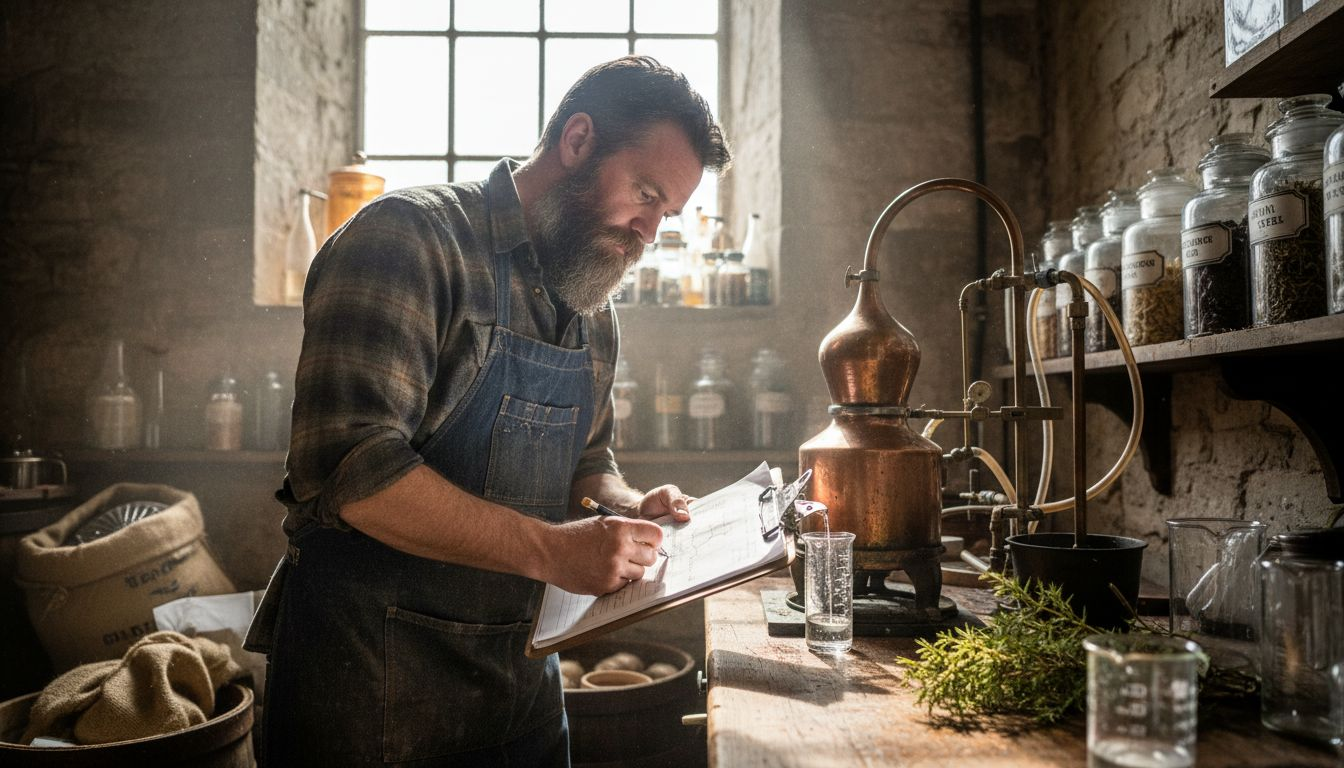
Premium gin production goes far beyond simple distillation. Artisan producers often employ multiple distillation methods, including individual botanical distillation, vapor infusion, and maceration techniques that extract maximum flavor and aromatic complexity. Some craft distilleries use copper pot stills that have been hand-crafted and maintained for generations, ensuring that each batch maintains a connection to traditional spirit-making techniques while simultaneously pushing the boundaries of flavor innovation.
Pro tip: When exploring artisanal gins, pay attention to the distiller’s story and specific botanical sourcing to truly appreciate the craftsmanship behind each unique spirit.
Unique Botanicals and Mediterranean Influence
The Mediterranean region represents a treasure trove of botanical complexity, offering gin producers an extraordinary palette of distinctive herbal ingredients. From the sun-drenched coastal landscapes emerge unique botanicals that transform gin from a simple spirit into a sensory journey through Mediterranean terroir, capturing the essence of regional landscapes in every carefully crafted bottle.
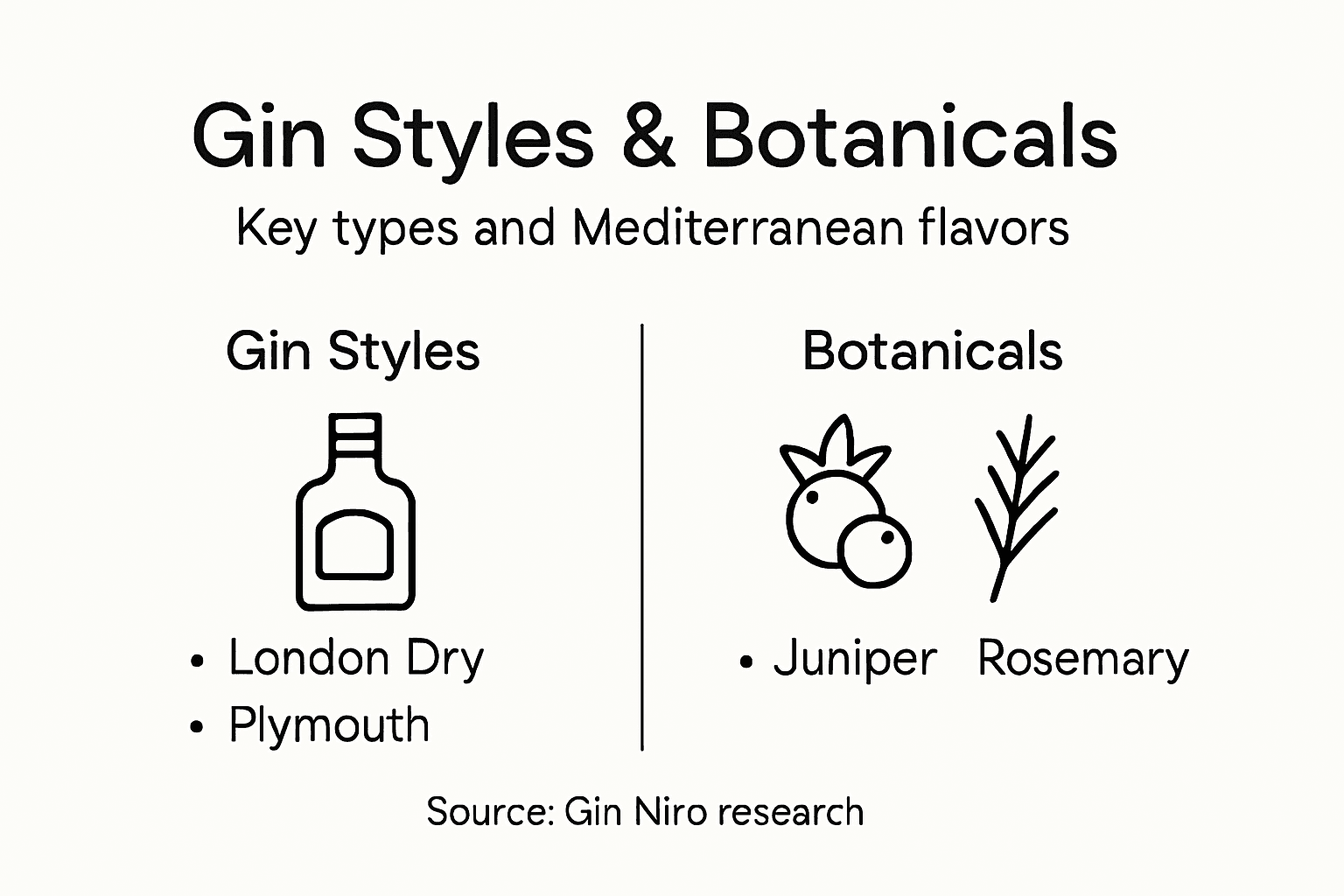
Traditional Mediterranean botanicals like rosemary, thyme, lavender, and sage bring remarkable depth and character to gin profiles. Citrus elements play a particularly crucial role, with local varieties of lemon, orange, and bergamot contributing bright, zesty notes that distinguish Mediterranean-inspired gins from more traditional expressions. These ingredients reflect not just flavor, but the cultural and ecological richness of the region, transforming each gin into a liquid narrative of its geographical origins.
Modern gin producers increasingly recognize the Mediterranean’s unparalleled botanical diversity, actively sourcing ingredients that capture the region’s complex aromatic landscape. Some distilleries collaborate directly with local farmers, ensuring sustainable harvesting of herbs and citrus peels that represent the most authentic expressions of Mediterranean flora. This approach goes beyond mere ingredient selection, representing a commitment to preserving traditional agricultural practices while creating spirits that tell a nuanced story of place and craft.
Pro tip: When sampling Mediterranean-style gins, pay attention to the subtle herbal undertones and citrus notes that differentiate these exceptional spirits from more conventional gin expressions.
Evaluating Quality: What Connoisseurs Seek
Gin connoisseurs approach spirit evaluation with remarkable precision, seeking spirits that demonstrate extraordinary botanical balance and complexity. Their discerning palates look beyond simple taste, examining the intricate interplay of botanicals, the spirit’s overall harmony, and the nuanced story each bottle represents.
The hallmarks of exceptional gin extend far beyond basic sensory qualities. Expert evaluators scrutinize multiple dimensions, including the clarity and intensity of botanical notes, the smoothness of the spirit, and the authenticity of production methods. The juniper character must be present yet balanced, allowing complementary botanicals to shine without overwhelming the foundational flavor profile. Transparency in sourcing, distillation techniques, and ingredient selection becomes as crucial as the final taste experience.
Quality assessment involves a comprehensive sensory journey. Connoisseurs examine the gin’s visual appearance, assessing its clarity and viscosity. They evaluate the initial aromatic profile, noting the complexity and depth of botanical notes. The tasting process involves careful analysis of how flavors develop across the palate, examining the spirit’s initial impression, mid-palate complexity, and finish. Truly exceptional gins reveal different layers of flavor, telling a sophisticated narrative with each sip.
Pro tip: When evaluating gin quality, approach the tasting systematically by using a white tasting glass, allowing the spirit to breathe and releasing its full aromatic potential before making a final judgment.
Comparing Gin With Other Premium Spirits
Gin distinguishes itself from other premium spirits through its unique botanical character and production philosophy. Unlike whiskey or vodka, gin represents a spirit defined by its intentional flavor complexity, where each botanical selection tells a distinctive sensory story.
While whiskey gains its character through barrel aging and wood-infused complexity, gin derives its personality directly from carefully curated botanical ingredients. Vodka pursues a path of pure, neutral refinement, whereas gin celebrates herbal and aromatic diversity. This fundamental difference means gin offers a more intricate flavor landscape, with each distillery creating a unique botanical profile that reflects regional ingredients, cultural traditions, and master distiller creativity.
The production techniques further differentiate gin from other premium spirits. Most whiskeys require years of barrel aging to develop depth, and vodkas prioritize pristine filtration and neutrality. Gin, by contrast, achieves its complexity through immediate botanical infusion during distillation. This approach allows gin makers to create spirits that are simultaneously traditional and innovative, capturing the essence of place and technique in a way few other spirits can match.
To clarify how gin differs from other premium spirits, see the table below:
| Aspect | Gin | Whiskey | Vodka |
|---|---|---|---|
| Core Ingredient | Juniper, botanicals | Grain, aged in barrels | Neutral grains or potatoes |
| Flavor Focus | Herbal, complex, aromatic | Woody, malty, caramel notes | Clean, neutral, subtle |
| Aging Process | Rarely aged | Always barrel-aged | No aging |
| Production Aim | Botanical expression | Maturation, depth | Purity, smoothness |
Pro tip: When comparing spirits, approach each tasting as a unique sensory experience, focusing on the specific production techniques and botanical or aging characteristics that define each spirit’s individual character.
Discover the Art of Mediterranean Gin with Gin Niro
If you are captivated by the complex botanical profiles and artisanal craftsmanship that define premium gin connoisseurs seek then exploring Mediterranean-style gin offers a fresh and exciting perspective. Gin Niro embodies this with its unique blend of zibibbo aromatic grapes Sicilian citrus and traditional distillation methods that ensure exceptional quality and authenticity. This artisanal gin perfectly captures the balance and depth discussed in the world of gin flavors making it an ideal choice for those who appreciate both heritage and innovation.
Experience the sensory journey of Gin Niro today by visiting our Homepage 6 Gin Niro where detailed product descriptions and the story behind this unique spirit await you. Elevate your gin collection with a bottle that tells the story of the Mediterranean’s rich botanical landscape and masterful distillation. Do not miss this opportunity to enjoy an exceptional gin crafted to satisfy the most discerning palates at https://ginniro.it and explore the finest in premium Mediterranean gin now.
Frequently Asked Questions
What makes gin different from other spirits?
Gin is unique due to its distinctive botanical character, primarily driven by the flavor of juniper and the careful selection of various botanicals. Unlike whiskey, which gains complexity from barrel aging, or vodka, which is neutral and smooth, gin emphasizes herbal and aromatic diversity, creating a complex flavor landscape.
How should I evaluate the quality of gin?
To assess gin quality, connoisseurs typically examine several factors: the clarity and intensity of botanical aromas, the balance of flavors (especially the juniper), and the smoothness of the spirit. A comprehensive tasting includes analyzing the visual appearance, aroma profile, and flavor development across the palate.
What are some common styles of gin and their flavor profiles?
Common gin styles include London Dry gin, known for its crisp and juniper-forward profile; Plymouth gin, which is softer and earthier; Old Tom gin, which is sweeter; and Genever, the maltier, historical predecessor. Each style offers unique botanical combinations and flavor characteristics.
Why is artisanal craftsmanship important in gin production?
Artisanal craftsmanship in gin production emphasizes the meticulous selection and preparation of botanicals, often sourced directly from local farmers. This approach ensures unique flavor profiles and might include traditional distillation methods that enhance the complexity and quality of the spirit, setting it apart from mass-produced options.


