

Many believe citrus overwhelms gin’s juniper, but in Mediterranean gins, it balances complexity. Skilled distillation balances citrus brightness and juniper’s piney backbone to create depth without dominance. You’ll learn botanical chemistry, distillation effects, regional citrus specifics, misconceptions, and cocktail applications. This journey challenges assumptions and reveals how citrus elevates Mediterranean gin to an art form.
Table of Contents
- Botanical And Chemical Foundations Of Citrus In Gin
- Regional Specificity: The Uniqueness Of Sicilian And Mediterranean Citrus
- Distillation Techniques For Citrus Extraction
- Common Misconceptions About Citrus In Gin
- Practical Applications: Citrus In Gin Cocktails And Pairings
- Summary And Selection Guide For Italian Gin Enthusiasts
- Enhance Your Gin Experience With Ginniro
- Frequently Asked Questions
Key takeaways
| Point | Details |
|---|---|
| Citrus botanicals brighten and lift gin’s piney juniper base | Essential oils from peels add complexity without overpowering the spirit’s core character. |
| Sicilian citrus varieties add unique aromatic complexity | Bergamot, bianchetto lemon, and blood orange create distinct Mediterranean profiles. |
| Distillation methods shape how citrus aromas develop | Vapor infusion preserves freshness while maceration extracts deeper, richer citrus notes. |
| Citrus balances rather than overpowers juniper in quality gins | Proper technique harmonizes botanicals to enhance, not dominate, juniper’s piney backbone. |
| Citrus-enhanced gins excel in fresh Mediterranean-style cocktails | Bright notes amplify freshness in warm-climate drinks and pair beautifully with seafood. |
Botanical and chemical foundations of citrus in gin
Citrus peels such as lemon, orange, and bergamot add bright, zesty complexity to gin, complementing juniper and enhancing freshness. The magic lies in two key compounds: limonene and γ-terpinene. These essential oils drive the bright citrus aroma and flavor you recognize immediately when nosing a quality Mediterranean gin. Understanding chemical compounds of citrus in gin transforms your appreciation from casual sipping to informed tasting.
Only citrus peels are used in gin distillation, never juice. Peels contain concentrated essential oils that extract cleanly during distillation, delivering pure citrus character without diluting the spirit or introducing unwanted sugars. Juice would muddy the clarity and compromise the botanical balance distillers work so hard to achieve.
Botanical selection defines the citrus profile of your gin. Some distillers favor bright lemon peel for zip, while others choose sweet orange for roundness or bitter orange for complexity. Each choice shapes how citrus interacts with juniper’s piney backbone and other botanicals in the recipe.
“The art of gin distillation lies in balancing citrus brightness with juniper’s forest floor character, creating a spirit greater than the sum of its parts.”
Citrus complements juniper by adding brightness and lift, never overpowering. Think of juniper as the foundation and citrus as the spotlight that makes other botanicals shine. This synergy creates the layered complexity Mediterranean gins are known for.
Pro Tip: When tasting citrus-forward gins, avoid confusing the use of juice with peel oils. Authentic gins use only peels, so if you detect any sweetness or thickness, it’s from other botanicals, not citrus juice.
- Limonene provides fresh lemon and orange top notes
- γ-terpinene adds herbal, citrus complexity
- Peel oils extract cleanly without diluting the spirit
- Botanical selection determines the citrus character profile
- Citrus enhances rather than dominates juniper’s core identity
Regional specificity: The uniqueness of Sicilian and Mediterranean citrus
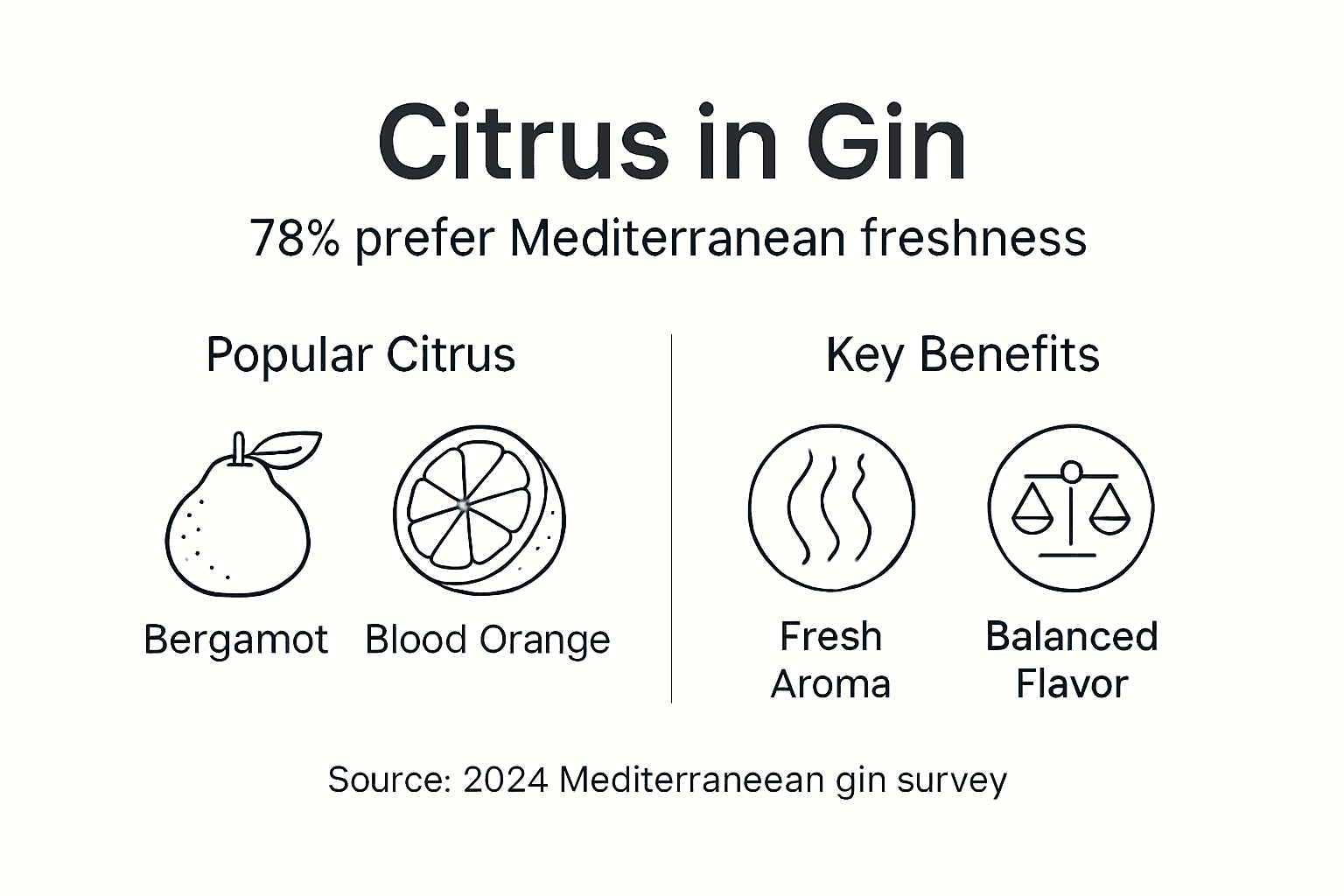
Sicilian gins typically incorporate local citrus botanicals like bergamot, bianchetto lemon, and blood orange which contribute unique aromatic and flavor profiles distinct from more generic citrus gins. These botanicals aren’t just regional pride. They carry terroir-driven characteristics you can’t replicate with standard lemon or orange peels sourced elsewhere.
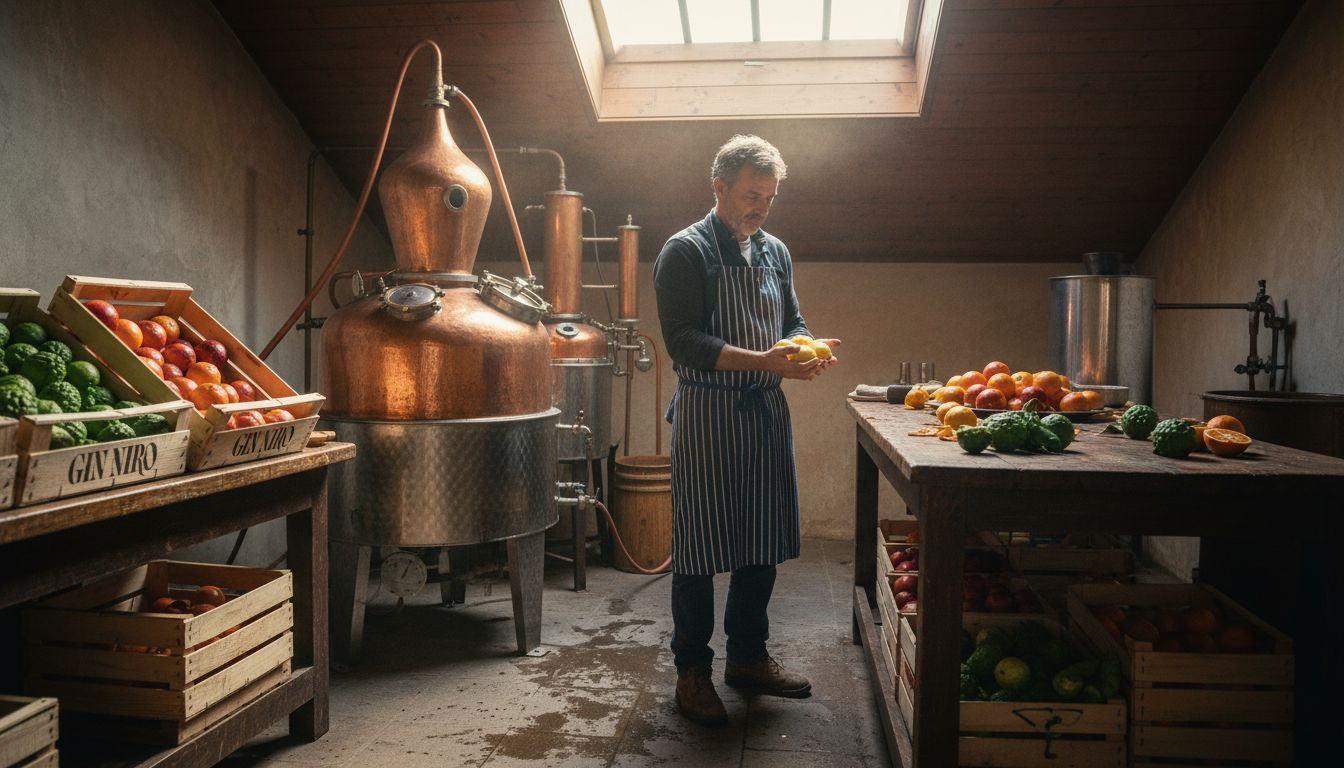
Bergamot brings floral, slightly bitter complexity that elevates the entire botanical chorus. Bianchetto lemon offers a sweeter, more delicate citrus note than sharp Eureka lemons. Blood orange adds a subtle berry-like quality with less acidity than standard oranges. Together, these Sicilian varieties create sensory layers that define authentic Sicilian gin culture and citrus traditions.
Mediterranean gins blend local herbs and spices with citrus for regional authenticity. You’ll often find rosemary, thyme, myrtle, or coriander alongside Sicilian citrus, creating a botanical harmony that speaks to the region’s landscape. This isn’t just marketing. It’s a genuine expression of place that Italian gin enthusiasts recognize and value.
Terroir and local sourcing significantly influence citrus flavor nuances. The volcanic soil of Sicily, intense Mediterranean sun, and coastal breezes all shape how citrus botanicals develop their essential oil profiles. A bergamot grown in Calabria tastes noticeably different from one grown elsewhere, even if it’s the same cultivar.
Pro Tip: When selecting Mediterranean gins, look for those that specify unique Sicilian citrus botanicals by name rather than generic “citrus peel.” This specificity signals authentic regional character and higher quality sourcing.
- Bergamot adds floral, slightly bitter complexity
- Bianchetto lemon provides sweeter, more delicate citrus notes
- Blood orange contributes subtle berry-like qualities
- Local herbs and spices create botanical harmony with citrus
- Terroir shapes essential oil profiles in measurable ways
Distillation techniques for citrus extraction
Maceration and vapor infusion are the two primary distillation methods that affect how citrus flavors are extracted and expressed in gin. Vapor infusion tends to preserve fresher, more delicate citrus aromas. Understanding these techniques helps you predict how a gin will taste before you even open the bottle.
Maceration involves steeping botanicals in neutral spirit for hours or even days before distillation. This process extracts deeper, heavier citrus oils that survive the distillation heat. The result is a gin with robust, rounded citrus character that sits lower in the flavor profile. Maceration works beautifully when you want citrus to provide a warm foundation rather than bright top notes.
Vapor infusion passes alcohol vapor through a basket of botanicals suspended above the still. This gentler method captures lighter, more volatile citrus compounds that might be lost in maceration. The gin tastes fresher, brighter, and more immediately citrus-forward. It’s the preferred technique when distillers want citrus to shine in the opening sip.
The choice of distillation methods for Mediterranean gin greatly influences how citrus and juniper aromas interact. Macerated gins often show better integration, with citrus woven throughout the tasting experience. Vapor-infused gins present citrus more distinctly, allowing you to appreciate each botanical’s contribution separately.
| Characteristic | Maceration | Vapor Infusion |
|---|---|---|
| Extraction method | Steeping in spirit before distillation | Vapor passes through botanical basket |
| Citrus intensity | Deeper, heavier oils | Lighter, fresher aromas |
| Flavor position | Foundation and mid-palate | Top notes and opening |
| Best for | Robust, spicy cocktails | Light, fresh summer drinks |
| Integration | Citrus woven throughout | Citrus more distinct |
Pro Tip: Vapor infusion gins suit lighter, fresher cocktail profiles like spritzes and simple gin and tonics. Macerated citrus gins work better for robust, spicier blends like Negronis or Martinez variations where you need citrus to hold up against other strong flavors.
- Maceration extracts deeper citrus oils through steeping
- Vapor infusion preserves delicate, volatile citrus compounds
- Each method creates different citrus positions in the flavor profile
- Understanding technique helps predict cocktail performance
- Mediterranean distillers often combine both methods for complexity
Common misconceptions about citrus in gin
Contrary to the misconception that citrus can overpower gin’s juniper base, skilled distillation balances citrus brightness and juniper’s piney backbone to create complexity without dominance. This fear keeps some drinkers from exploring citrus-forward Mediterranean gins that actually showcase beautiful botanical harmony. Let’s clear up the confusion.
Many believe citrus overwhelms juniper, but this only happens with poor distillation or excessive citrus loading. Quality Mediterranean gins use citrus to enhance juniper’s character, not mask it. The piney, resinous notes remain present while citrus adds lift and brightness. You taste both, not one at the expense of the other.
Some think gin makers use citrus juice for flavor, but only peels are used in authentic gin production. Juice introduces water and sugar that dilute the spirit and compromise clarity. Peels provide pure essential oil character that extracts cleanly during distillation. If someone tells you their gin contains citrus juice, they’re either confused about the process or the product isn’t traditionally distilled gin.
Another common mistake is assuming all citrus gins taste similar. Regional varieties and distillation techniques produce distinct gin profiles with no uniform taste. A Sicilian gin with bergamot and blood orange tastes nothing like a London dry with generic lemon peel. The difference is as pronounced as comparing Sicilian lemons to California lemons in cooking.
Mediterranean gins emphasize botanical harmony, not just strong citrus notes. The goal is integration, where citrus plays a role in a larger botanical ensemble. You should taste layers of flavor, not a citrus bomb with juniper hidden underneath.
- Citrus balances and enhances complexity when distilled properly
- Only citrus peels, never juice, are used in authentic gin
- Regional citrus varieties create vastly different flavor profiles
- Mediterranean gins prioritize botanical harmony over single-note dominance
- Quality distillation preserves both juniper and citrus character
Practical applications: Citrus in gin cocktails and pairings
Citrus botanicals elevate the freshness and brightness of gin, making them essential in Mediterranean tasting notes and perfectly suited to lighter cocktails favored in warm climates. Understanding how citrus influences mixing helps you select the right gin for each occasion and create more nuanced drinking experiences.
Citrus notes amplify cocktail freshness and brightness, especially in Mediterranean warm climates where you want refreshing rather than heavy drinks. The essential oils in citrus-forward gins bloom beautifully over ice, releasing aromatic compounds that make each sip invigorating. This makes them perfect for aperitivo hour or seaside summer evenings.
Ideal food pairings include seafood, chicken, and vegetable dishes that highlight citrus gin notes. The bright, clean flavors won’t overpower delicate fish or fresh vegetables. Try a citrus-forward gin and tonic with grilled branzino, or a Mediterranean gin martini alongside chicken piccata. The citrus in your gin echoes the lemon in your food, creating harmonious flavor bridges.
Here’s how to select citrus gins for mixing based on distillation and citrus intensity:
- Choose vapor-infused gins for simple highballs and spritzes where you want citrus to shine immediately.
- Select macerated citrus gins for spirit-forward cocktails like martinis where depth matters more than brightness.
- Look for Sicilian citrus botanicals when pairing with Mediterranean or Italian cuisine for regional authenticity.
- Match citrus intensity to mixer strength; bold tonics need bolder citrus, light mixers need delicate citrus.
- Consider seasonal context; save heavier macerated gins for cooler months and vapor-infused for summer.
Pro Tip: Pair vapor-infused citrus gins with light summer cocktails featuring gin garnishes like fresh basil or cucumber. Use macerated citrus gins in herbal-spicy drinks with rosemary or black pepper that need citrus to provide balance without getting lost.
- Citrus gins amplify freshness in warm-climate cocktails
- Seafood, chicken, and vegetables pair beautifully with citrus gin notes
- Vapor-infused suits light, simple serves
- Macerated works for spirit-forward, complex cocktails
- Understanding citrus helps you create better step-by-step Mediterranean gin cocktails
- Regional matching enhances gin and tonic flavor profiles
Summary and selection guide for Italian gin enthusiasts
Citrus botanicals crucially define Mediterranean gin character and freshness. Everything you’ve learned about chemical compounds, regional varieties, distillation methods, and applications comes together when you select your next bottle. The right choice depends on understanding what makes Mediterranean citrus gins special and how to identify authentic quality.
Sicilian citrus varieties impart distinct sensory qualities setting them apart from generic citrus. When you see bergamot, bianchetto lemon, or blood orange listed among botanicals, you’re looking at a gin that respects regional tradition and delivers complexity beyond standard lemon or orange peel. These ingredients cost more and require careful sourcing, so their presence signals quality and authenticity.
Look for botanical balance and specified distillation methods when selecting quality artisanal gins. The label should tell you something about how the gin was made, not just what’s in it. Phrases like “vapor infused” or “macerated botanicals” give you clues about flavor profile before you taste. Transparency in production methods correlates strongly with quality in the bottle.
Here’s what to look for when identifying authentic Mediterranean citrus-forward gins:
- Specific citrus botanicals listed by name rather than generic “citrus peel”
- Regional provenance mentioned for key ingredients
- Distillation method described or explained
- Botanical balance emphasized over single-ingredient dominance
- Traditional or artisanal production methods highlighted
- Juniper still present and clearly part of the recipe
This knowledge empowers you to appreciate and choose gins with refined understanding. You’re no longer guessing based on bottle design or price point. You can read a label, understand what the distiller intended, and predict whether the gin suits your taste preferences and planned cocktail applications. That’s the difference between casual consumption and true connoisseurship.
Enhance your gin experience with Ginniro
Now that you understand how citrus transforms Mediterranean gin, explore Ginniro’s curated selection of authentic artisanal spirits that showcase these principles. Our collection emphasizes botanical balance and regional authenticity, featuring gins that honor Sicilian citrus traditions.
Discover expert gin cocktail recipes designed to highlight citrus gin’s vibrant character. Each recipe considers distillation method and botanical profile, ensuring you get the most from every bottle. Learn more about the culture behind these spirits with our comprehensive Sicilian gin culture guide, deepening your appreciation for Mediterranean gin traditions. Visit Ginniro to explore our full selection and elevate your gin journey.
Frequently asked questions
Does using citrus peels instead of juice make a big difference in gin flavor?
Absolutely. Citrus peels provide concentrated essential oils crucial for authentic aroma and flavor. Juice would dilute the spirit and introduce unwanted sugars that compromise clarity and botanical balance. Authentic gin distillation uses only peels to extract pure citrus character.
How do Sicilian citrus botanicals differ from generic ones in gin?
Sicilian botanicals like bergamot and bianchetto lemon add more complex and distinct aromatic layers than generic lemon or orange peels. Their terroir-driven uniqueness creates flavor profiles you can’t replicate with citrus sourced from other regions. This regional specificity is a hallmark of Mediterranean-style gins.
Which distillation method preserves citrus aroma best?
Vapor infusion preserves fresher, lighter citrus aromas better than maceration, which extracts more intense but heavier citrus oils. Neither is superior; the choice depends on desired gin style and cocktail application. Vapor-infused suits fresh, bright drinks while macerated works for robust, complex serves.
What cocktails best highlight citrus-forward Mediterranean gins?
Light, fresh cocktails like gin and tonic with Mediterranean garnishes or citrus spritzes showcase bright citrus notes beautifully. These gins pair wonderfully with seafood, chicken, and vegetable dishes for balanced tasting experiences. The key is matching gin style to mixer and garnish intensity for harmonious flavor.

