

Discovering the world of Mediterranean gin cocktails can transform an ordinary evening into a celebration of artistry and tradition. For those who appreciate artisanal craftsmanship and crave the layered complexity of uniquely Sicilian flavors, each sip offers a chance to experience botanical finesse and cultural storytelling. Expect inspiration from historical mixology creativity and modern interpretations, all designed to showcase premium gin alongside vibrant Mediterranean ingredients and Sicilian heritage.
Table of Contents
- Defining A Signature Gin Cocktail
- Origins And Creative Influence In Mixology
- Key Elements That Shape Signature Cocktails
- Popular Mediterranean-Inspired Gin Variations
- Common Mistakes When Creating Signature Drinks
Key Takeaways
| Point | Details |
|---|---|
| Signature Gin Cocktails | These cocktails combine botanical balance, innovative ingredients, and precise technique to create a unique sensory experience. |
| Role of Historical Mixology | Understanding historical cocktail techniques enriches modern mixology and inspires creativity in new drink development. |
| Mediterranean Influences | Mediterranean gin variations showcase regional botanicals, enhancing flavor and offering opportunities for innovative cocktails. |
| Mistakes to Avoid | Key mistakes include inconsistent measurements and flavor imbalance; precision and balance are essential for quality cocktails. |
Defining a Signature Gin Cocktail
A signature gin cocktail represents the pinnacle of mixological creativity, where skilled bartenders transform the classic spirit into an extraordinary sensory experience. Modern mixology techniques elevate gin from a simple alcoholic beverage to a complex and nuanced drink that tells a story through flavor, technique, and presentation.
At its core, a signature gin cocktail is defined by several key characteristics:
- Botanical Balance: Highlighting the unique juniper and herbal notes inherent in gin
- Innovative Ingredients: Incorporating unexpected yet complementary flavors
- Precise Technique: Demonstrating masterful mixing and preparation methods
- Visual Artistry: Creating a drink that is as visually appealing as it is delicious
The art of crafting a signature gin cocktail goes beyond simply mixing ingredients. It requires a deep understanding of gin’s historical and flavor complexities, including its origins in European medicinal traditions and the intricate botanical profiles that make each gin unique.
A truly remarkable signature cocktail transforms gin from a mere ingredient into a narrative of taste, culture, and craftsmanship.
Successful signature gin cocktails achieve a delicate harmony between the gin’s inherent characteristics and the mixologist’s creative vision. This means carefully selecting complementary ingredients that enhance rather than mask the gin’s fundamental flavor profile.
Pro tip: When developing a signature gin cocktail, always start by thoroughly understanding your base gin’s specific botanical notes and flavor nuances.
Origins and Creative Influence in Mixology
The evolution of mixology traces a fascinating journey through cultural and culinary innovation, with craft cocktail movements transforming the art of drink-making from simple bartending to a sophisticated culinary practice. This transformation represents more than just mixing ingredients - it’s a profound exploration of flavor, technique, and cultural expression.
Historical influences in mixology reveal several critical developmental stages:
- Pre-Prohibition Era: Establishing foundational cocktail techniques
- Craft Cocktail Renaissance: Reviving traditional methods with modern creativity
- Global Culinary Fusion: Incorporating international ingredients and techniques
- Technological Innovation: Introducing modern equipment and preparation methods
Pre-Prohibition era mixology demonstrates remarkable sophistication, with bartenders treating cocktail creation as a meticulous art form. These early mixologists developed intricate recipes that balanced flavors with precision, establishing fundamental principles that continue to inspire modern drink crafting.
The true essence of mixology lies not just in mixing drinks, but in telling stories through flavor, technique, and cultural heritage.
Contemporary mixology represents a dynamic intersection of historical knowledge and innovative creativity. Bartenders now approach cocktail development as a holistic experience, considering not just taste, but visual presentation, cultural context, and sensory engagement.
Here is a comparison of modern and historical approaches to gin cocktail creation:
| Aspect | Historical Gin Cocktails | Modern Signature Gin Cocktails |
|---|---|---|
| Ingredient Selection | Local, established botanicals | Global, innovative infusions |
| Technique | Classic mixing methods | Advanced techniques, tools |
| Presentation | Simple and refined | Artistic and experimental |
| Flavor Profile | Traditional balance | Creative and layered flavors |
Pro tip: Study historical cocktail techniques while remaining open to innovative approaches that challenge traditional boundaries.
Key Elements That Shape Signature Cocktails
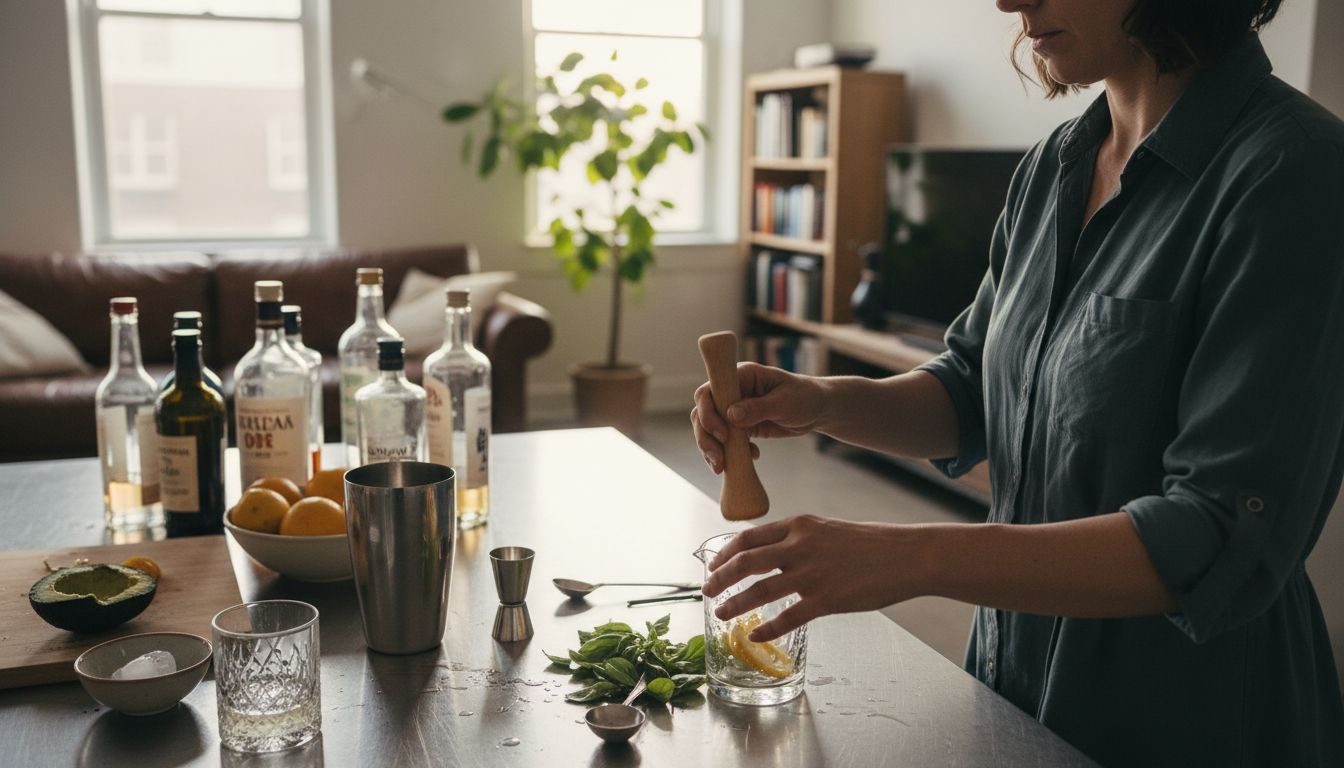
Crafting a truly exceptional signature cocktail requires a nuanced understanding of cocktail composition principles. The art of mixology transcends simple ingredient combination, demanding a sophisticated approach that balances flavor, technique, and sensory experience.
The fundamental elements that define a signature cocktail include:
- Base Spirit: Provides the foundational flavor profile
- Modifying Agents: Softens and enhances primary flavors
- Complementary Ingredients: Adds complexity and depth
- Presentation Techniques: Creates visual and sensory appeal
- Innovative Garnishes: Elevates overall drinking experience
Hospitality trends demonstrate a growing emphasis on bold flavor experimentation, with mixologists pushing boundaries through unexpected ingredient combinations. Contemporary cocktail creation now incorporates diverse elements like savory components, herbal infusions, and umami-rich flavor enhancers.
A truly remarkable signature cocktail is not just a drink, but a carefully orchestrated sensory narrative that tells a story through taste, aroma, and visual presentation.
Successful signature cocktails require meticulous attention to ingredient quality, precise proportions, and an innovative approach that respects traditional techniques while introducing unique creative elements. The most memorable drinks balance technical expertise with artistic expression.
Pro tip: Experiment with unconventional ingredient pairings while maintaining a fundamental understanding of flavor balance and complementary profiles.
Popular Mediterranean-Inspired Gin Variations
Mediterranean gin variations represent a vibrant fusion of regional botanicals and traditional distillation techniques, capturing the essence of Mediterranean terroir. These distinctive spirits showcase an extraordinary range of flavors that reflect the rich botanical landscapes of Southern European regions.
Key characteristics of Mediterranean-inspired gin variations include:
- Citrus-Forward Profiles: Incorporating local lemon, orange, and bergamot peels
- Herbal Complexity: Integrating rosemary, thyme, and lavender botanicals
- Light and Fresh Aromatics: Emphasizing subtle, garden-inspired flavor notes
- Regional Ingredient Infusion: Highlighting local agricultural traditions
- Innovative Distillation Methods: Blending traditional and contemporary techniques
Historical gin precursors like Jenever demonstrate how regional distillation practices have long influenced spirit production. Mediterranean gin variations continue this tradition by embracing local ingredients and crafting unique flavor experiences that tell a story of place and culture.
Mediterranean gin is more than a drink - it’s a liquid representation of landscape, tradition, and sensory exploration.
Contemporary mixologists increasingly appreciate these gin variations for their nuanced flavor profiles, which offer unprecedented opportunities for creative cocktail development. The delicate balance of herbs, citrus, and botanical elements provides a sophisticated canvas for innovative drink creation.
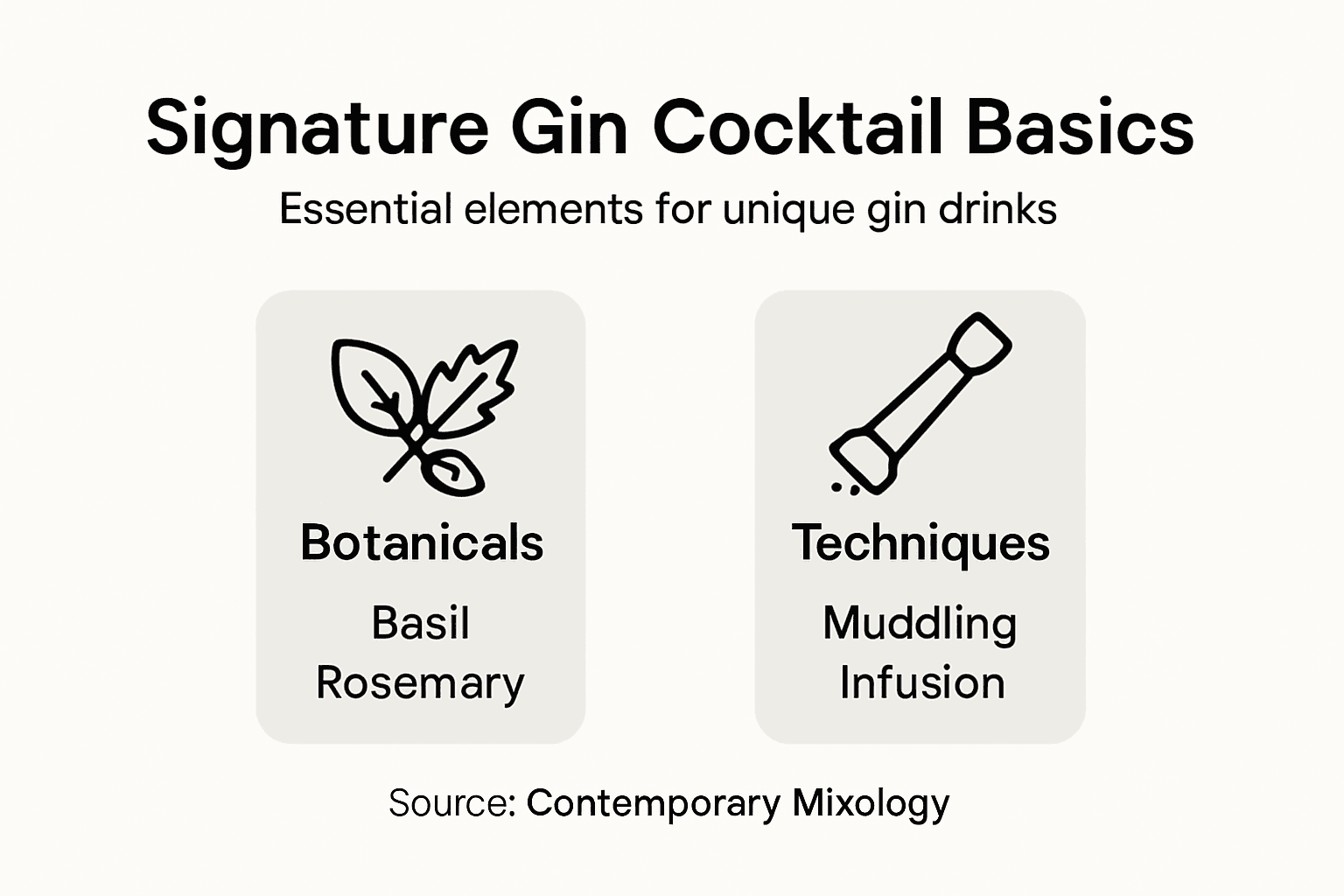
This table highlights key Mediterranean botanicals and their flavor impact:
| Botanical | Typical Flavor Note | Contribution to Gin |
|---|---|---|
| Lemon Peel | Bright, citrusy | Adds freshness |
| Rosemary | Herbal, piney | Enhances complexity |
| Lavender | Floral, aromatic | Offers subtle sweetness |
| Bergamot | Zesty, slightly bitter | Provides depth and intrigue |
Pro tip: When exploring Mediterranean gin variations, pay close attention to the specific regional botanicals used in each distillation.
Common Mistakes When Creating Signature Drinks
Crafting signature cocktails requires precision and creativity, but many mixologists fall into common traps that compromise the drink’s quality. Cocktail creation involves careful ingredient management that demands attention to multiple technical and sensory details.
Key mistakes to avoid when developing signature cocktails include:
- Inconsistent Measurements: Failing to use precise proportions
- Flavor Imbalance: Overwhelming or underwhelming primary ingredients
- Neglecting Alcohol Content: Creating drinks that are too strong or weak
- Overcomplicated Recipes: Adding unnecessary ingredients
- Ignoring Presentation: Underestimating visual and garnish importance
Excessive sweetener usage can dramatically undermine a cocktail’s complexity. Mixologists must carefully balance sweetness to maintain the drink’s intended flavor profile and avoid creating an overly cloying experience.
A truly remarkable signature cocktail reflects technical skill, creative vision, and a deep understanding of flavor dynamics.
Successful cocktail development requires continuous experimentation and a willingness to refine techniques. Understanding flavor interactions, ingredient qualities, and presentation nuances separates exceptional mixologists from average drink makers.
Pro tip: Always taste your cocktail during development and be prepared to make incremental adjustments to achieve perfect balance.
Elevate Your Mixology with a True Mediterranean Signature Gin
Creating a signature gin cocktail requires more than just mixing ingredients. It demands an understanding of botanical balance, innovative flavors, and precise technique. If you are ready to embrace this challenge and craft cocktails that tell a story of taste and culture consider exploring the artisanal world of Mediterranean gin with Gin Niro. This unique blend, featuring zibibbo aromatic grapes combined with sun-kissed Sicilian citrus, captures the essence of premium craftsmanship and offers the perfect foundation to elevate your cocktail creations.
Discover how Gin Niro’s refined botanical profile can transform your mixology experience. Visit the Homepage – Gin Niro to learn more about the artful balance of traditional distillation and Mediterranean flavor innovation. Don’t let your signature cocktails fall into common pitfalls like flavor imbalance or overcomplicated recipes let Gin Niro inspire your next defining moment in mixology. Begin your journey now at https://ginniro.it and create cocktails that captivate both the eye and the palate.
Frequently Asked Questions
What is a signature gin cocktail?
A signature gin cocktail is a unique drink crafted by mixologists that highlights the distinctive flavors of gin through creative ingredient combinations and precise mixing techniques, resulting in an extraordinary sensory experience.
How do I choose the right botanicals for a gin cocktail?
Understanding your base gin’s specific botanical notes is crucial. Select complementary ingredients that enhance those flavors while ensuring a balanced taste profile in your cocktail.
What are some common mistakes to avoid when creating signature cocktails?
Common mistakes include inconsistent measurements, flavor imbalances, neglecting alcohol content, overcomplicating recipes, and underestimating the importance of presentation and garnishes.
How has modern mixology influenced gin cocktail creation?
Modern mixology blends historical techniques with innovative creativity, allowing bartenders to experiment with unexpected ingredients and advanced preparation methods for sophisticated and visually appealing cocktails.


